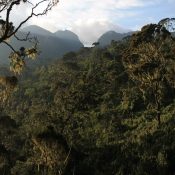
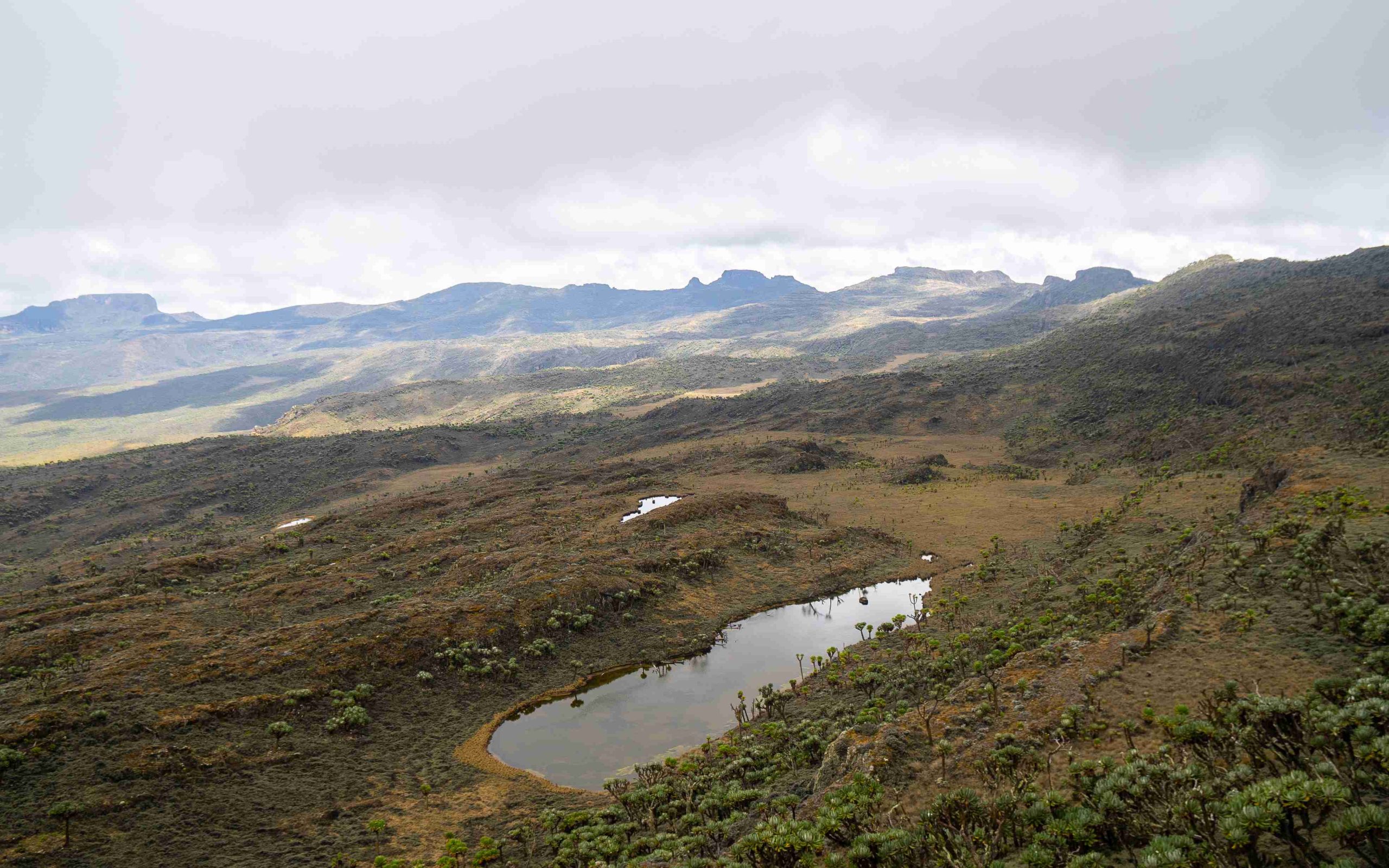
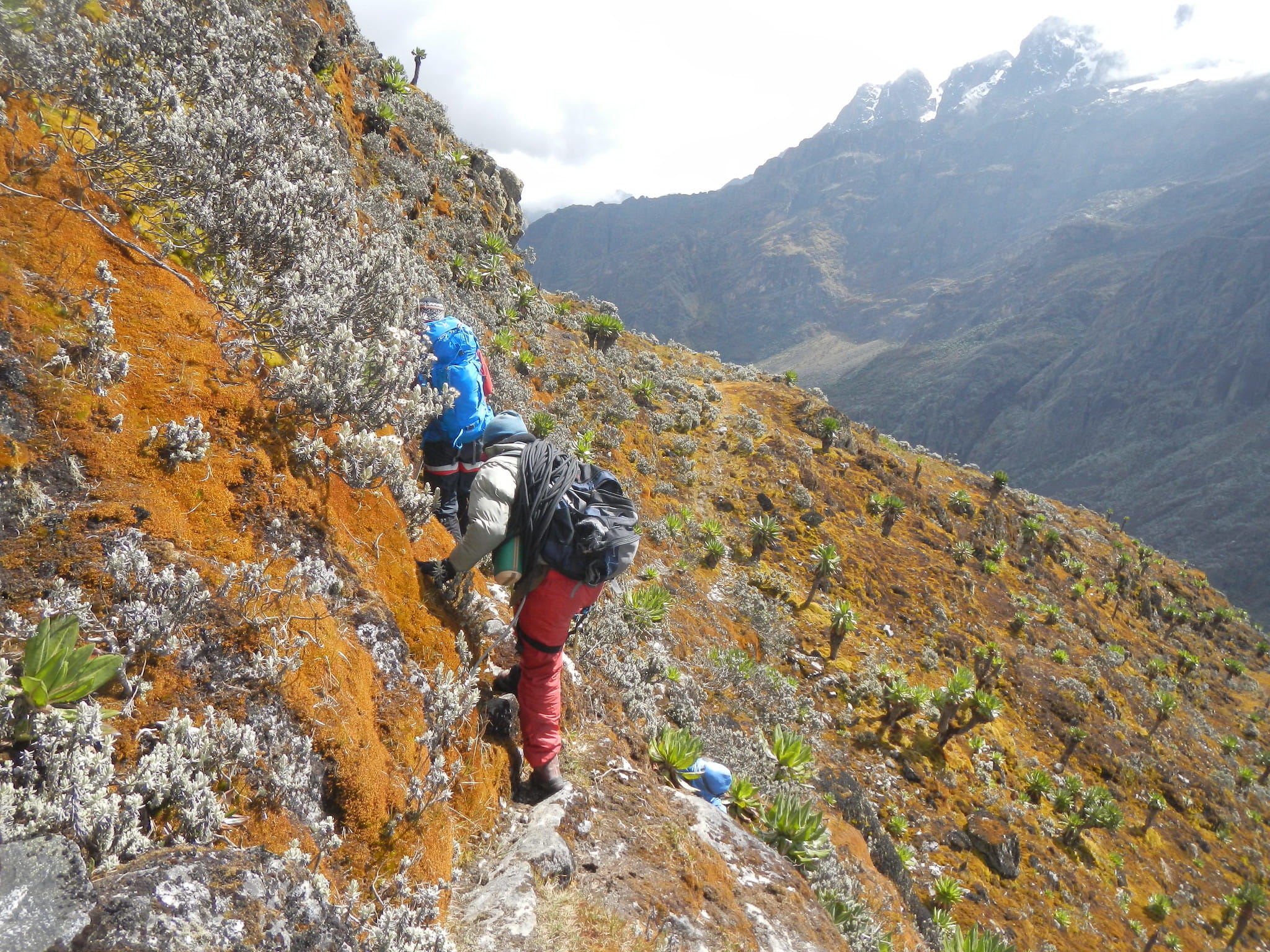
Nestled in the heart of Uganda, just a few miles north of the Equator, the Rwenzori Mountains National Park is a world of awe-inspiring natural beauty. Known as the “Mountains of the Moon,” this alpine wonderland offers visitors a wealth of attractions—from glacial peaks and serene lakes to rare wildlife and extraordinary vegetation.
Wildlife Wonders
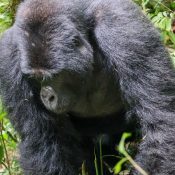
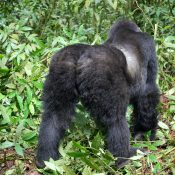
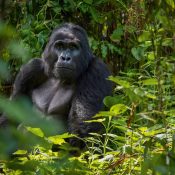
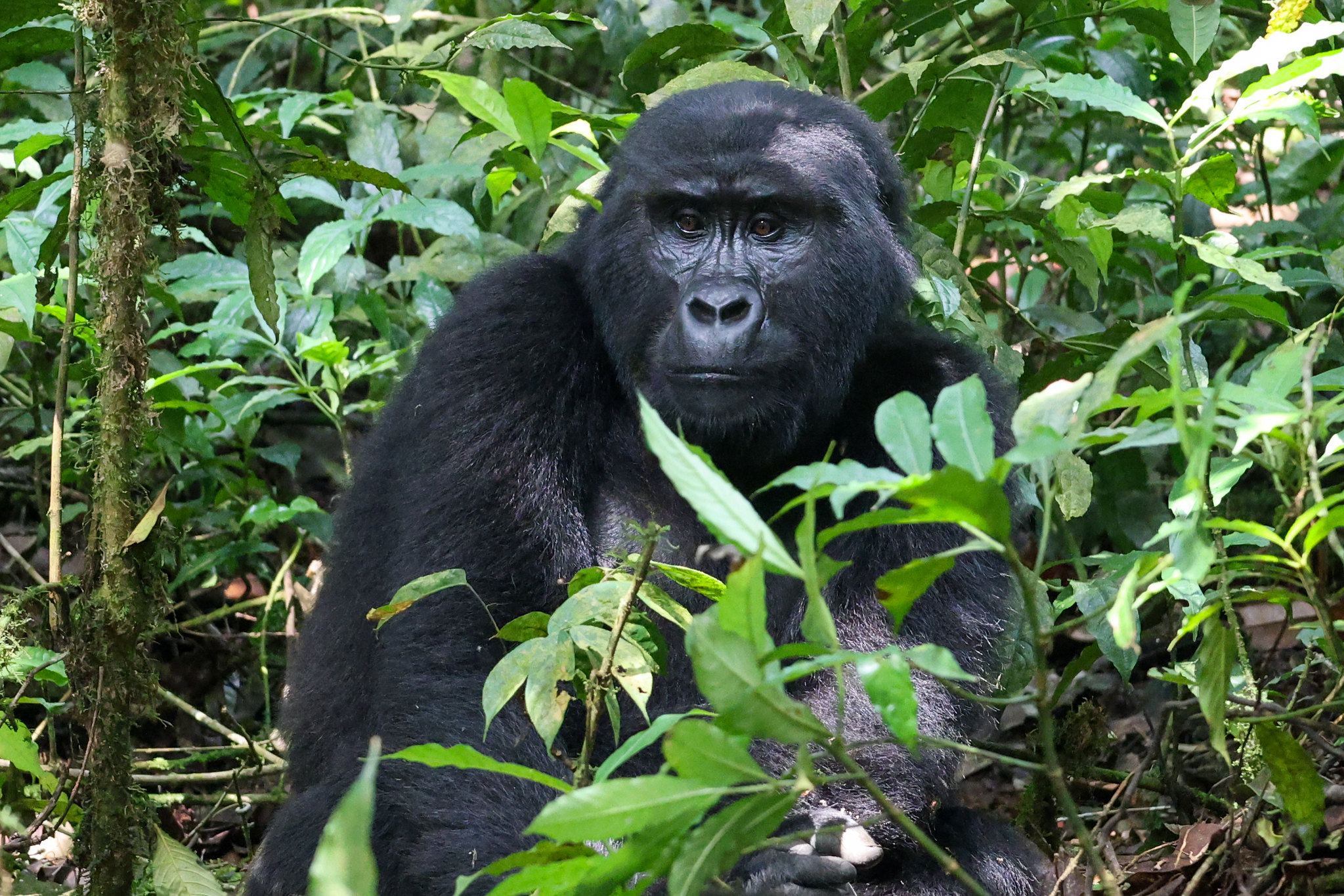
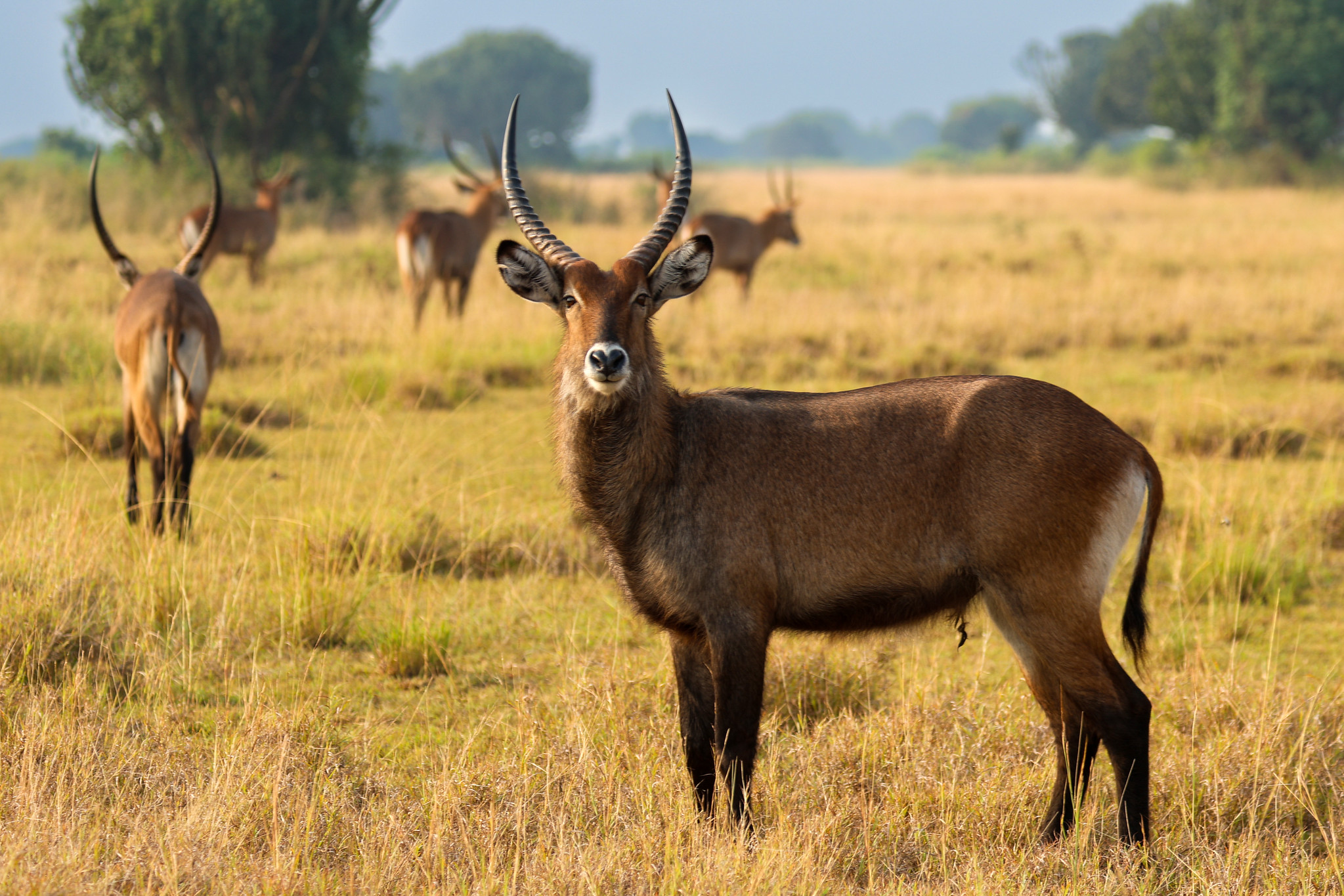
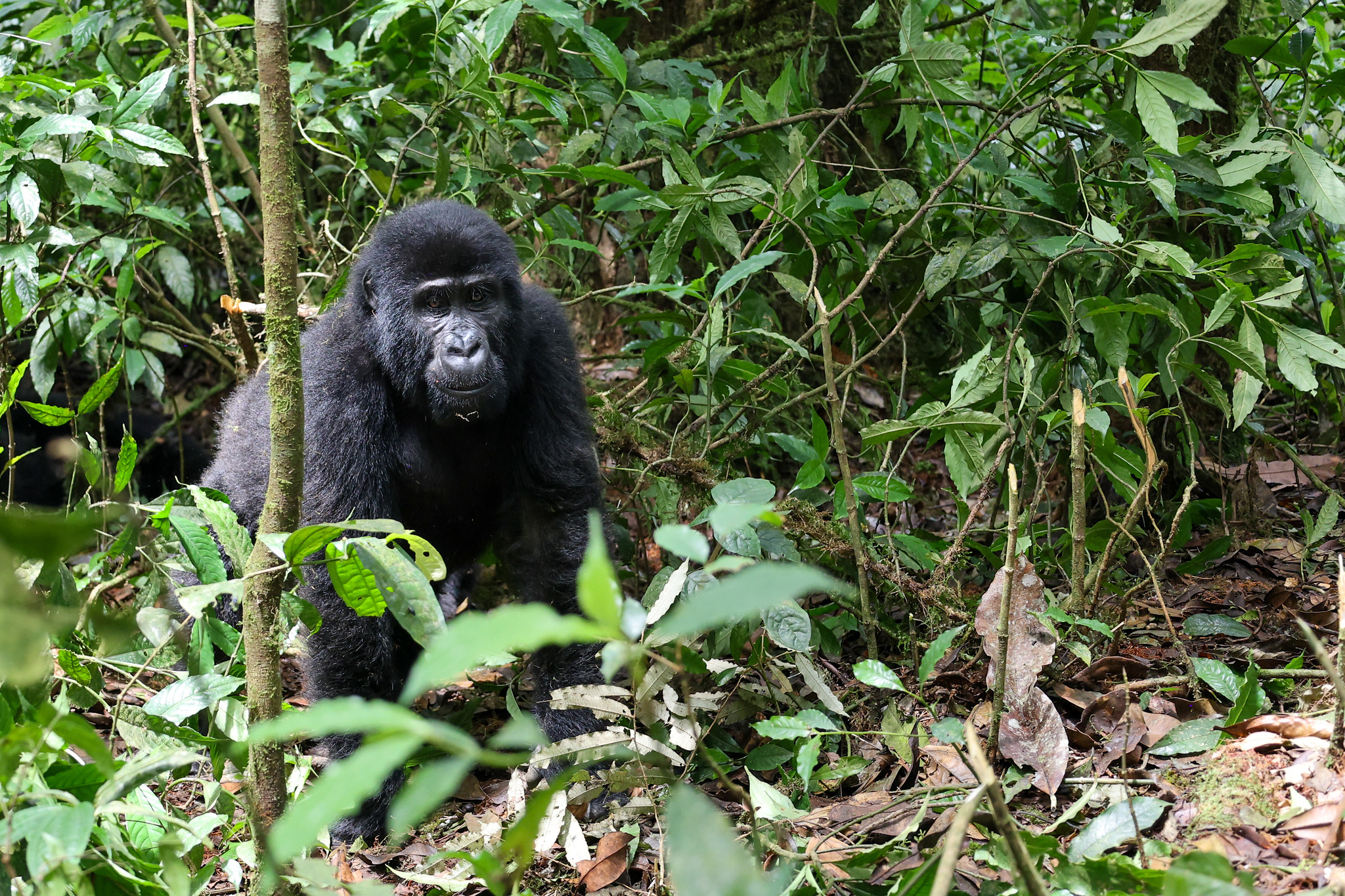
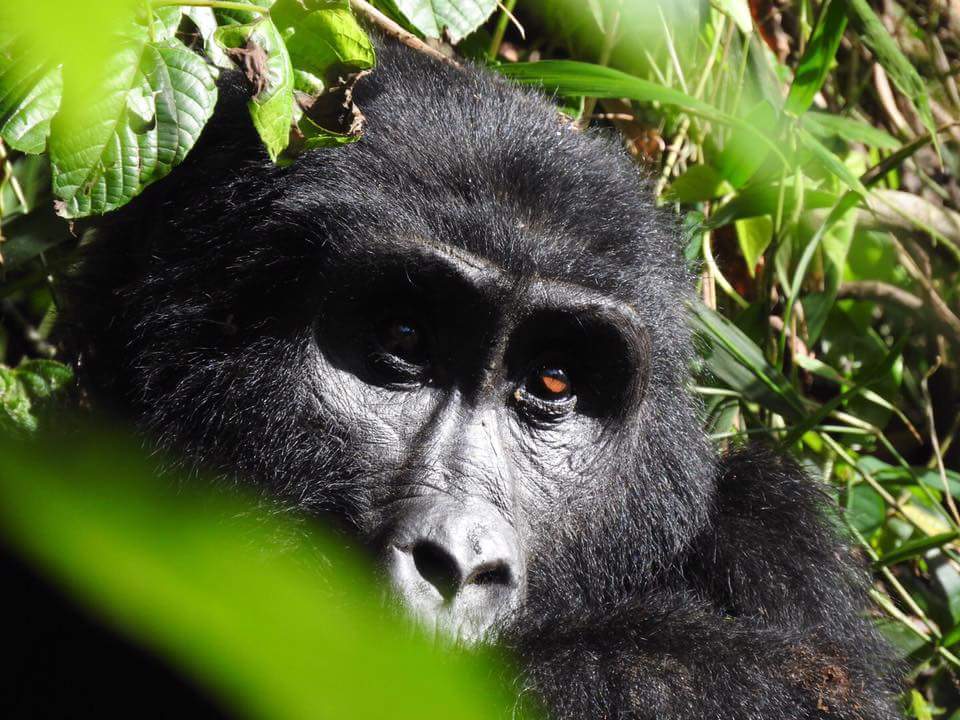
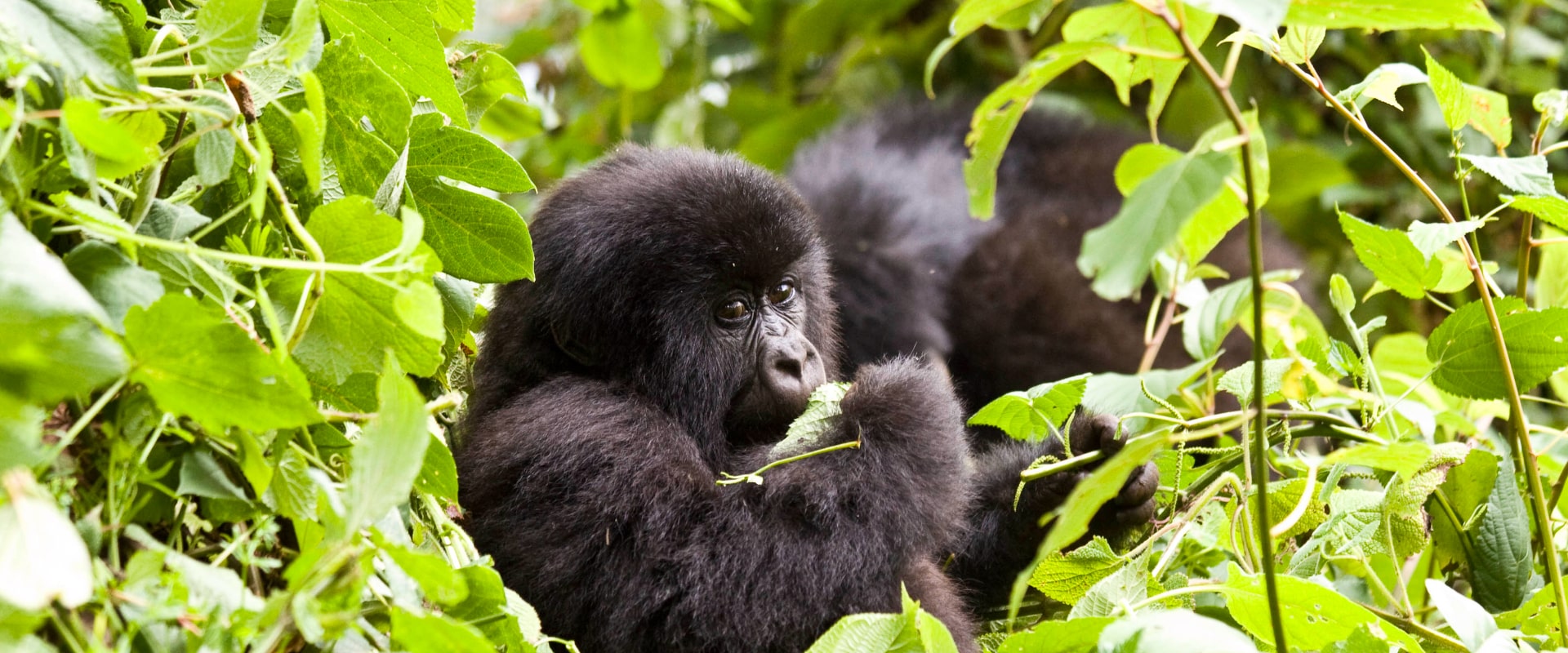
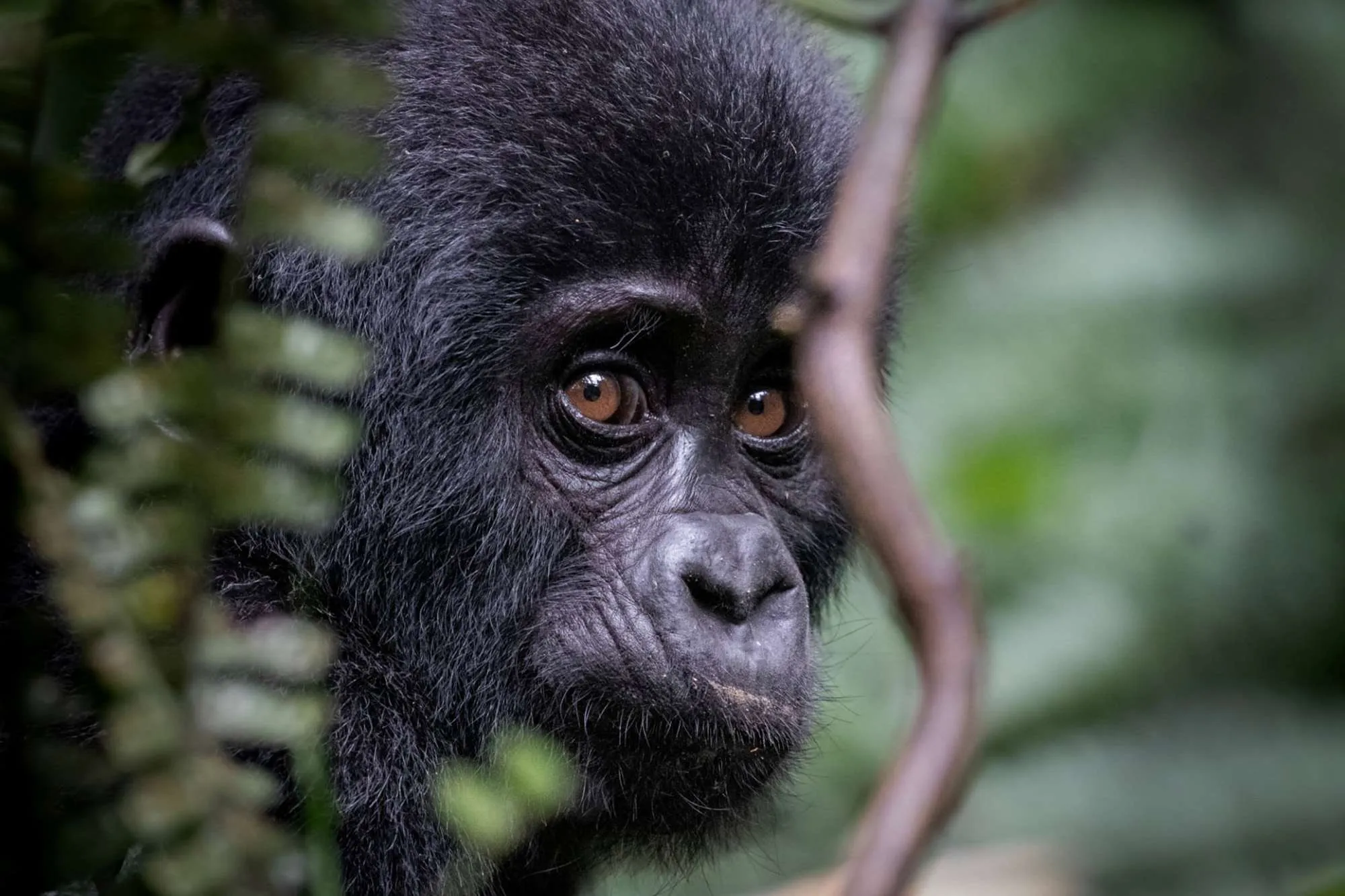
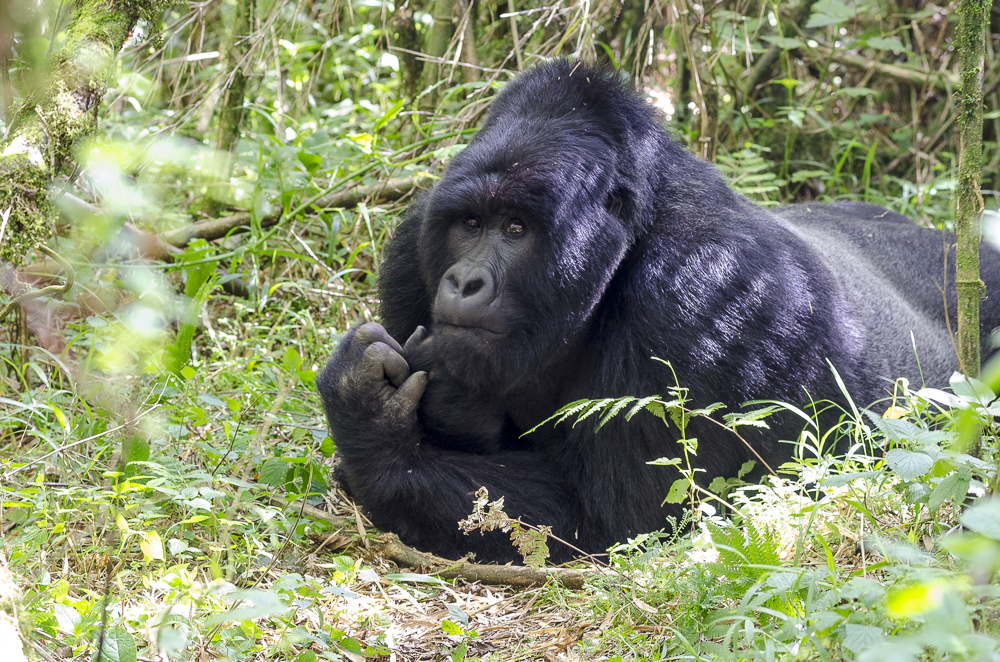
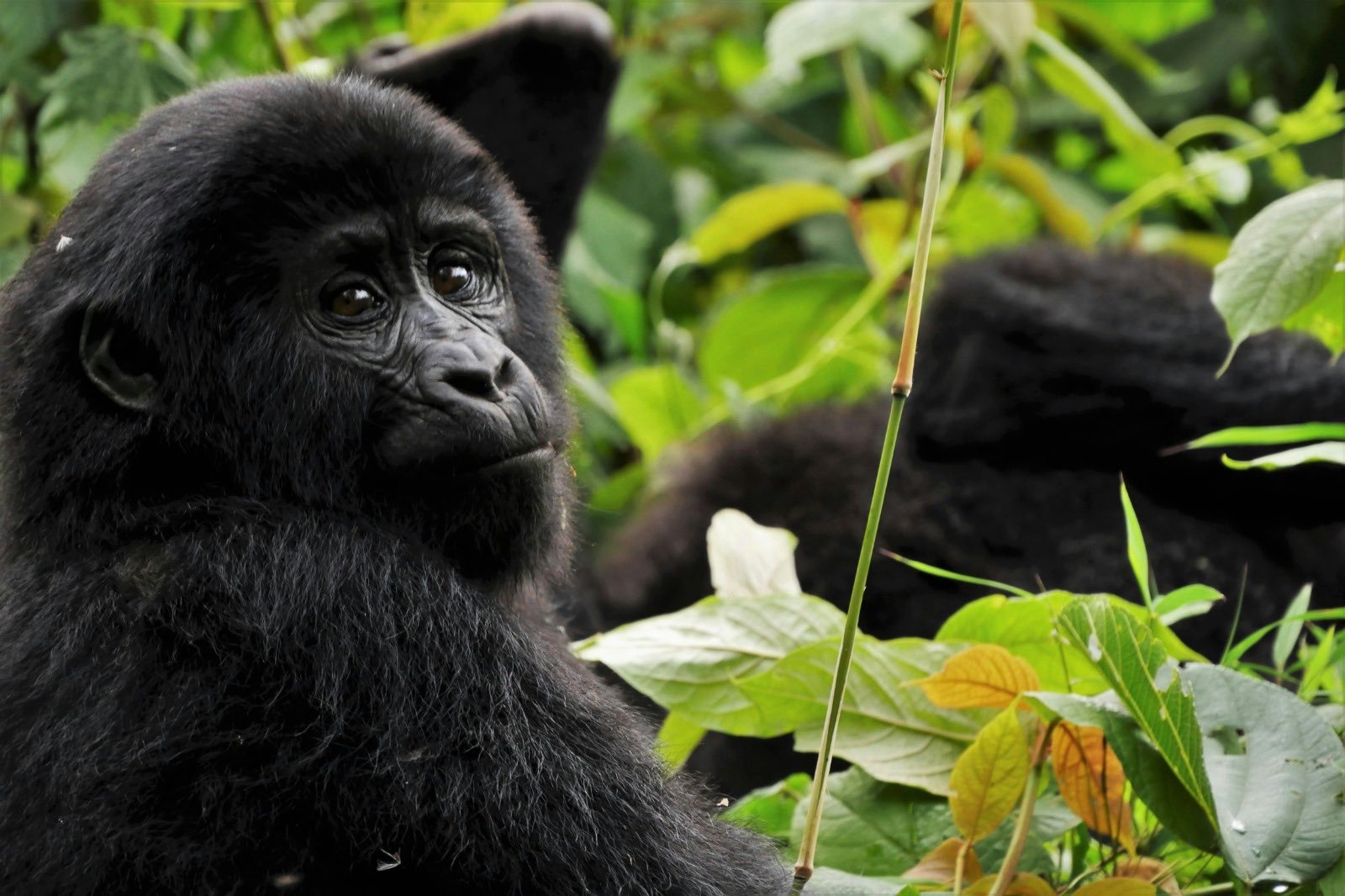
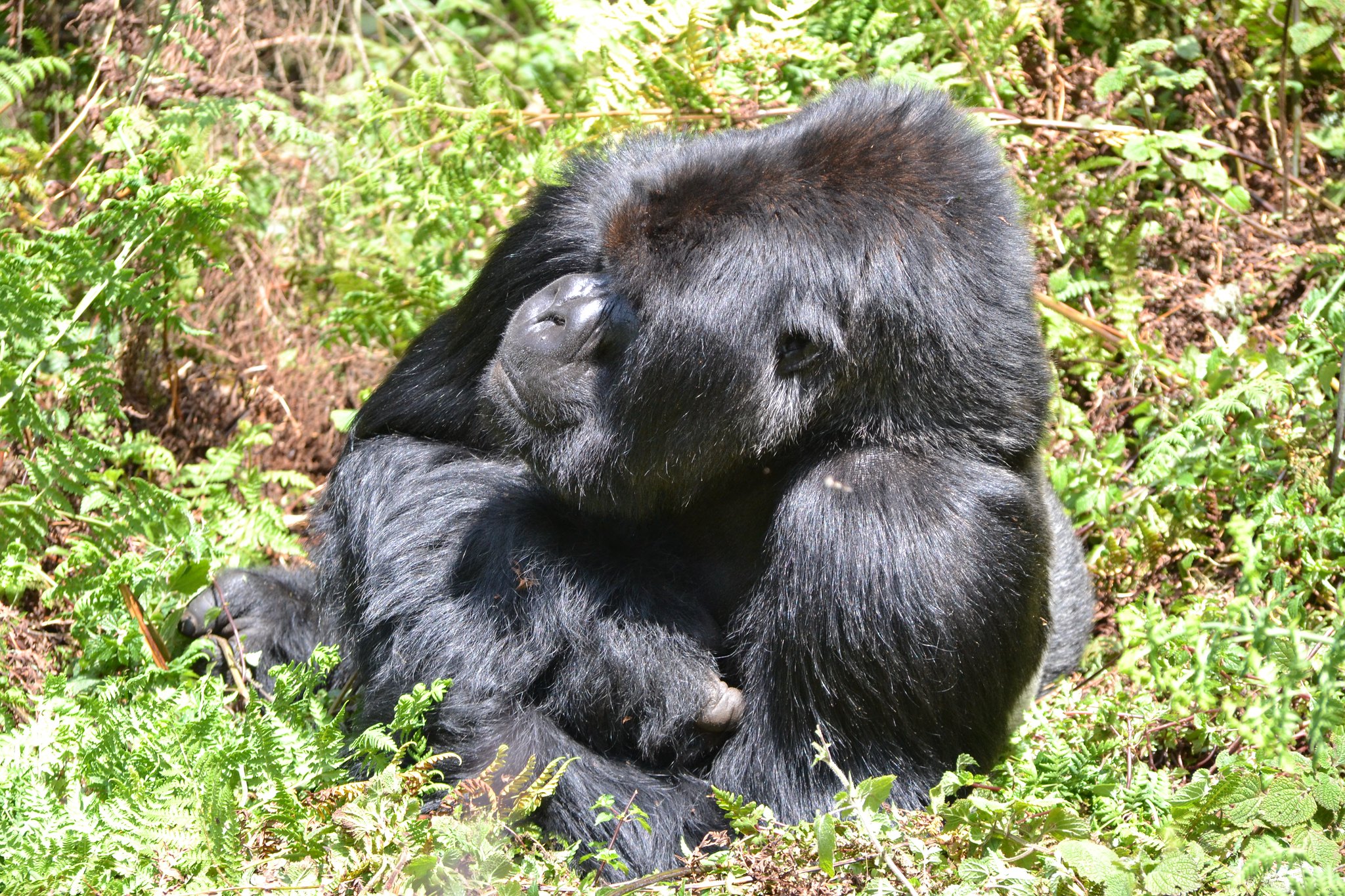
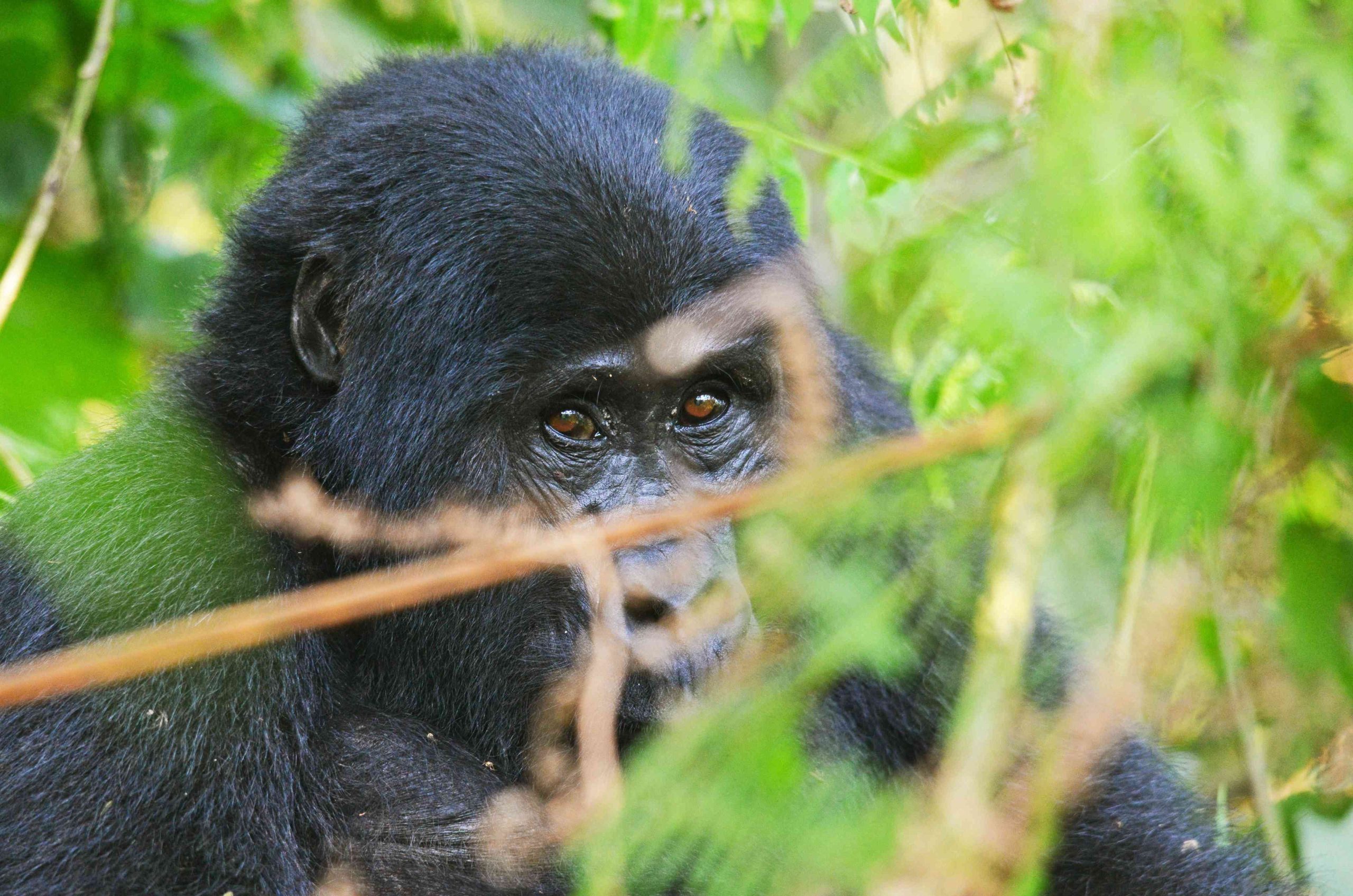
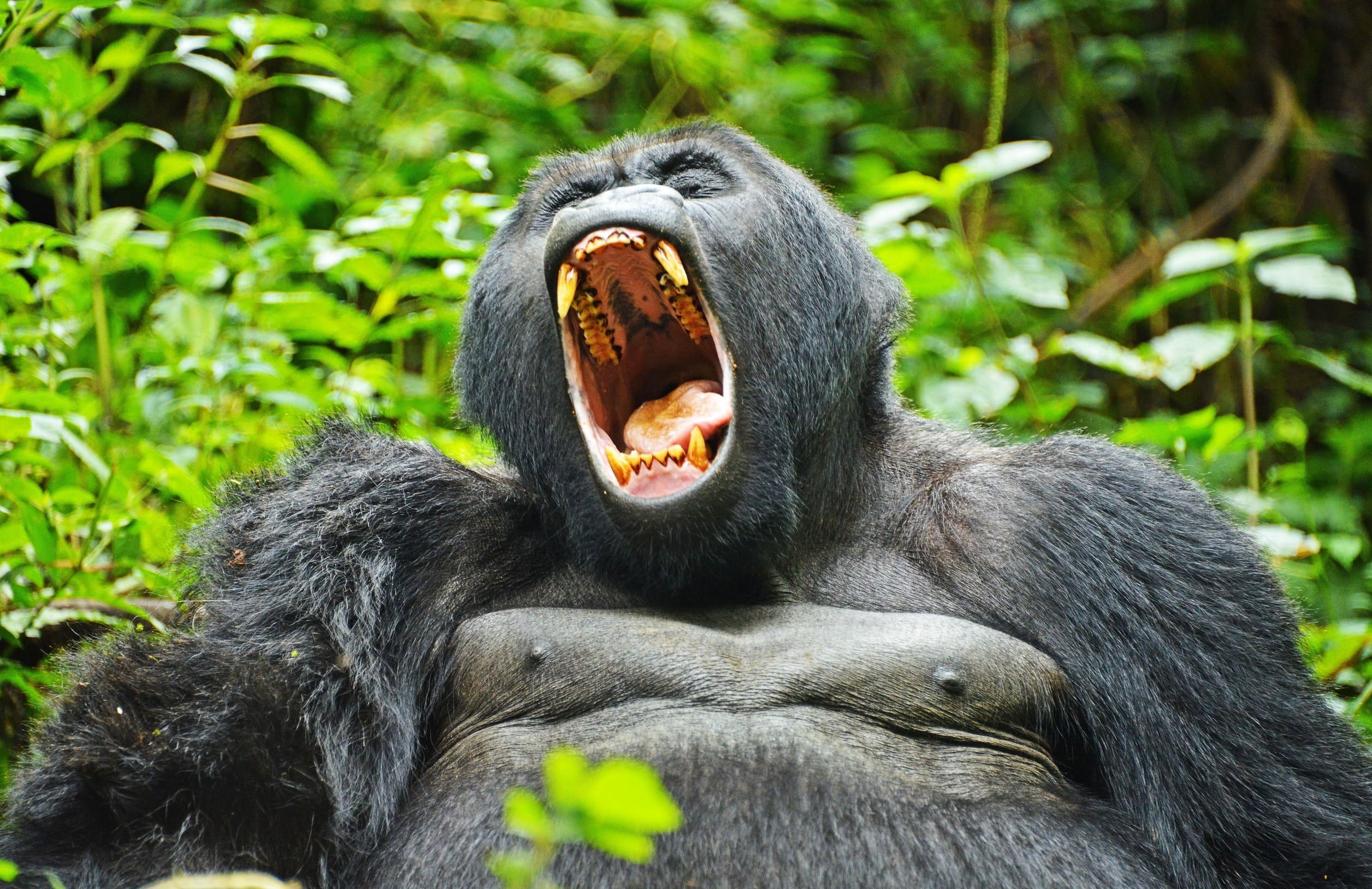
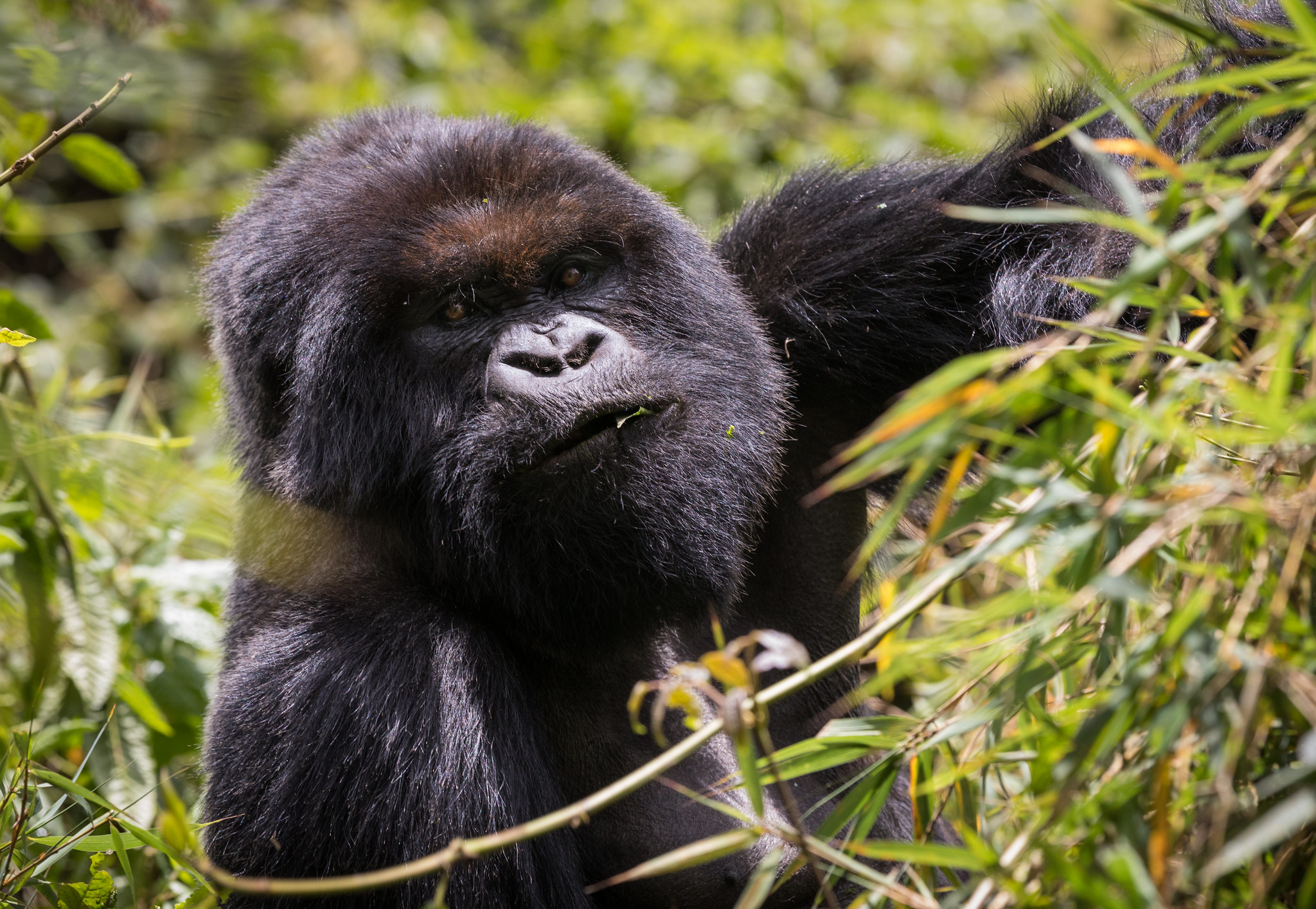
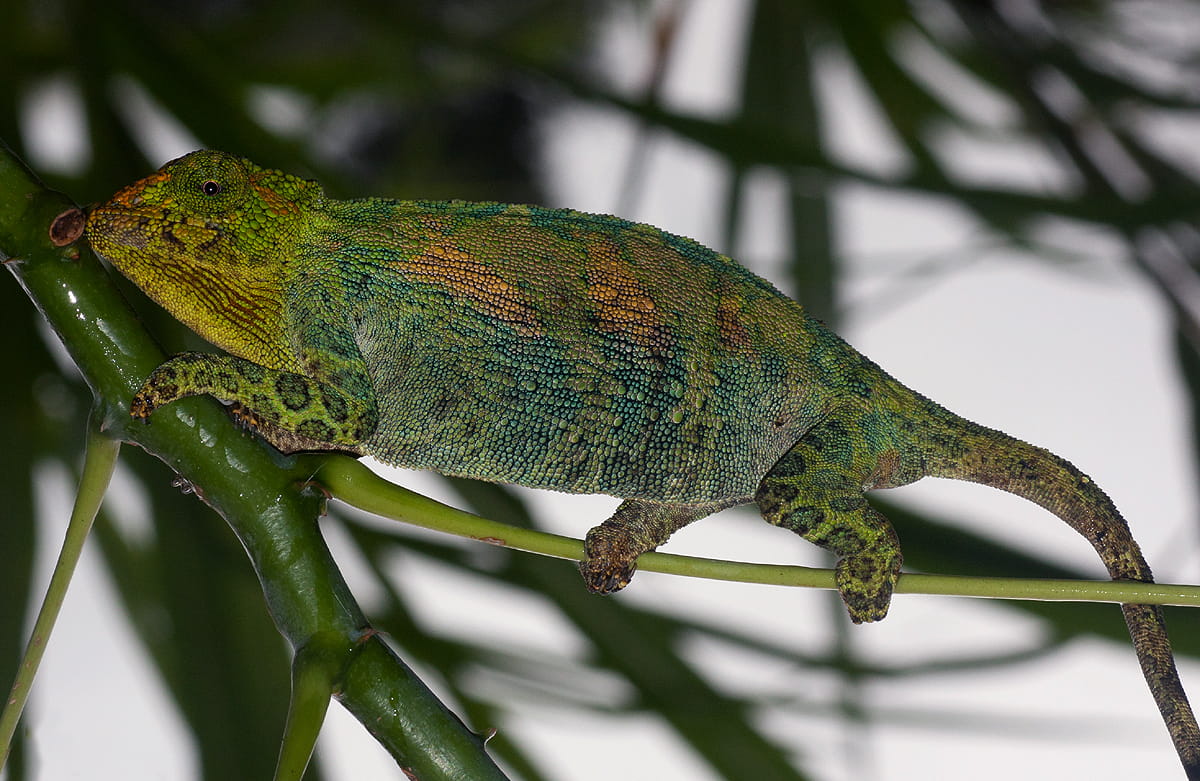
Rwenzori Mountains National Park is home to approximately 70 mammal species, including rare and endemic animals found nowhere else. Hikers may be lucky enough to spot black-and-white colobus monkeys, blue monkeys, or the elusive chimpanzees. Other rare mammals such as the Rwenzori otter, leopards, and elephants roam the park, though they are often hidden in its dense forests. Smaller creatures, like brushback antelopes and unusual reptiles such as the three-horned chameleon, also inhabit these rugged mountains, offering unforgettable wildlife encounters for intrepid trekkers.
Six Distinct Vegetation Zones
One of the park’s most remarkable features is its six unique vegetation zones, which hikers experience as they ascend the mountains:
- Savannah Zone (680m–1800m) – Rolling landscapes dotted with grasslands.
- Afromontane Forest (1800m–2600m) – Lush, dense forests brimming with endemic flora and fauna.
- Bamboo Forest (2600m–2900m) – Tall bamboo groves that sway in the mountain breeze.
- Heather/Rapanea Zone (2900m–4000m) – Alpine shrubs and exotic plants dominate this zone.
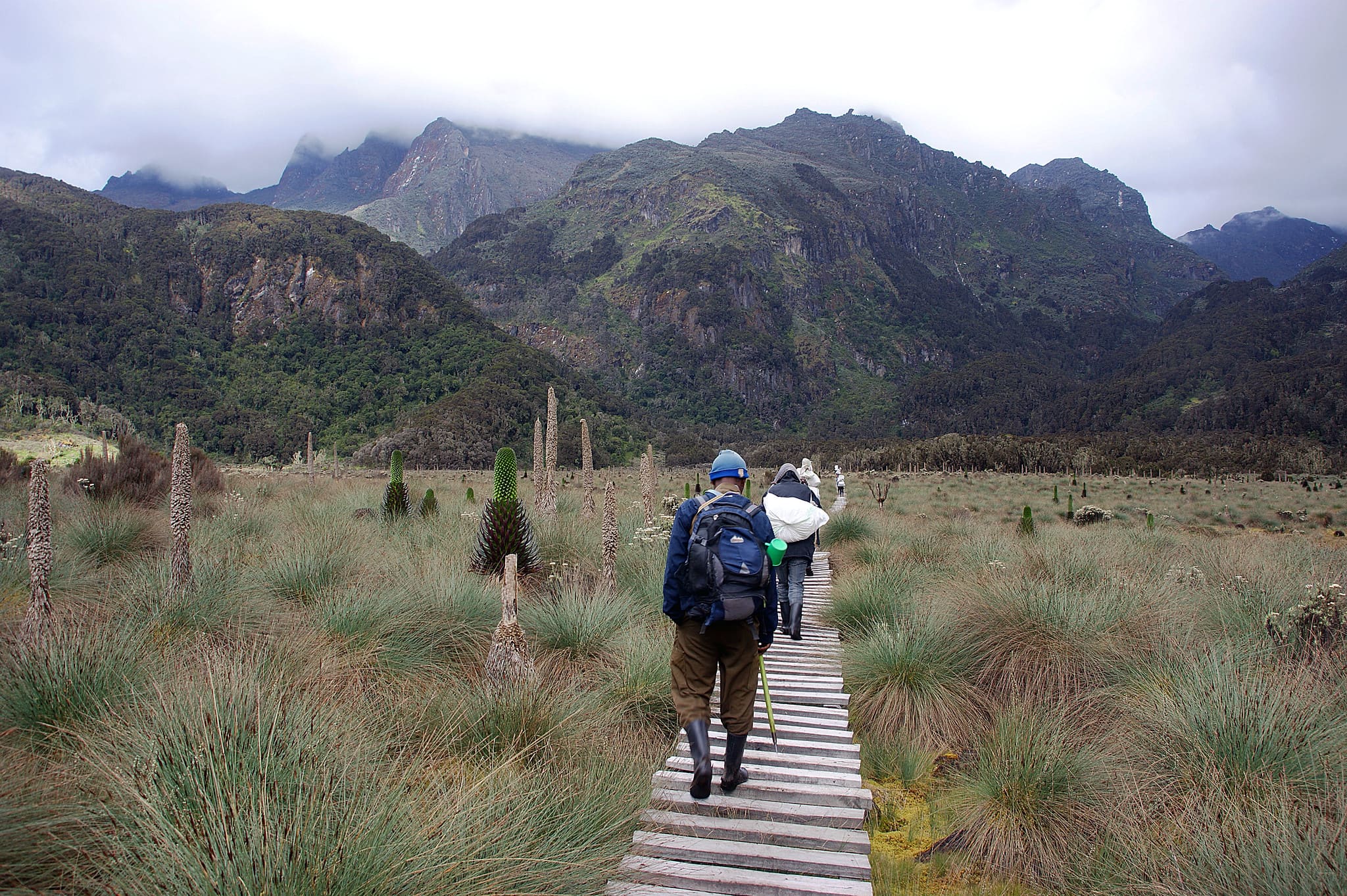
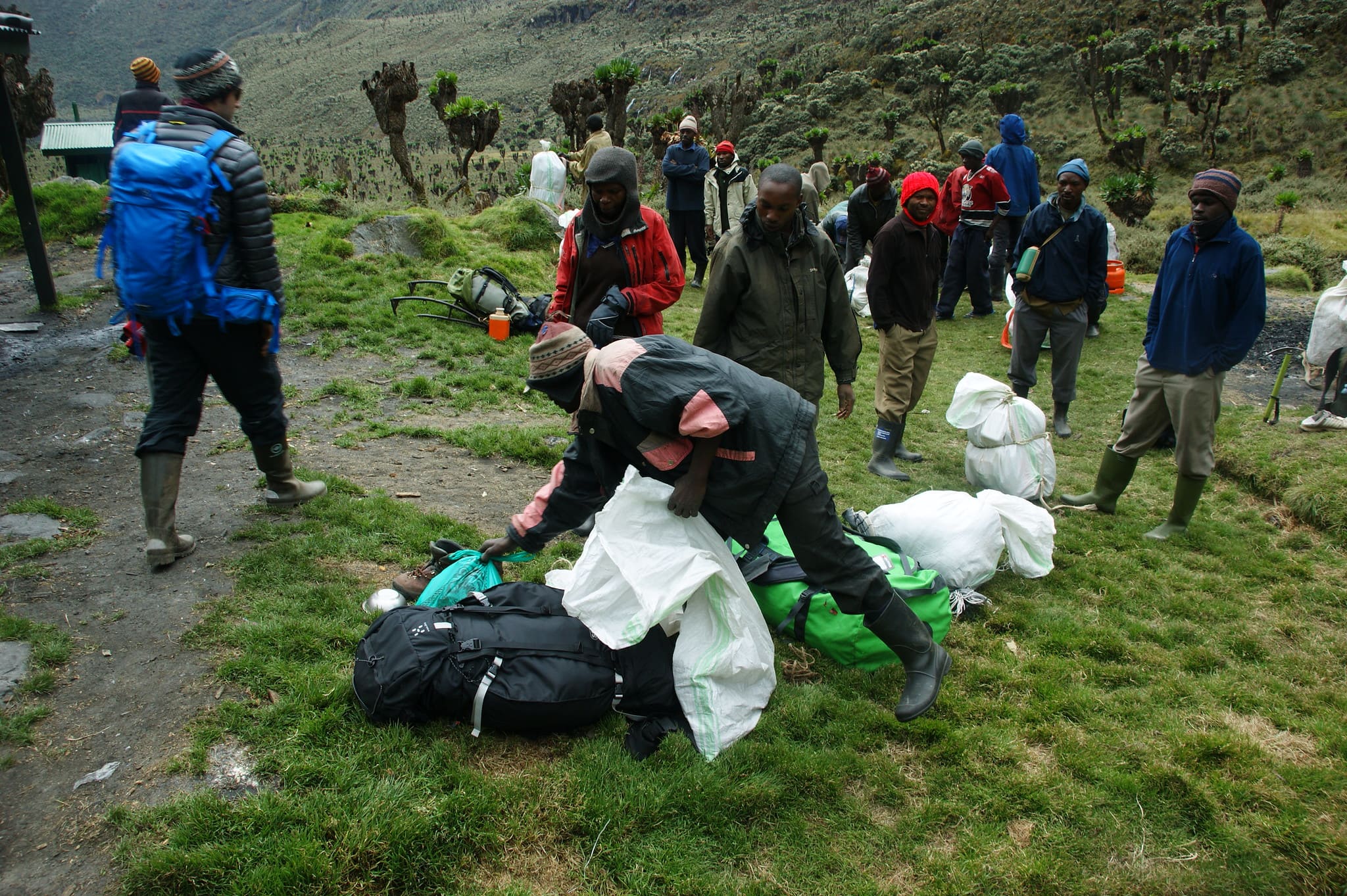
- Afro-Alpine Moorland (4000m–4500m) – Home to the giant groundsel and lobelia, rare plants unique to East African mountains.
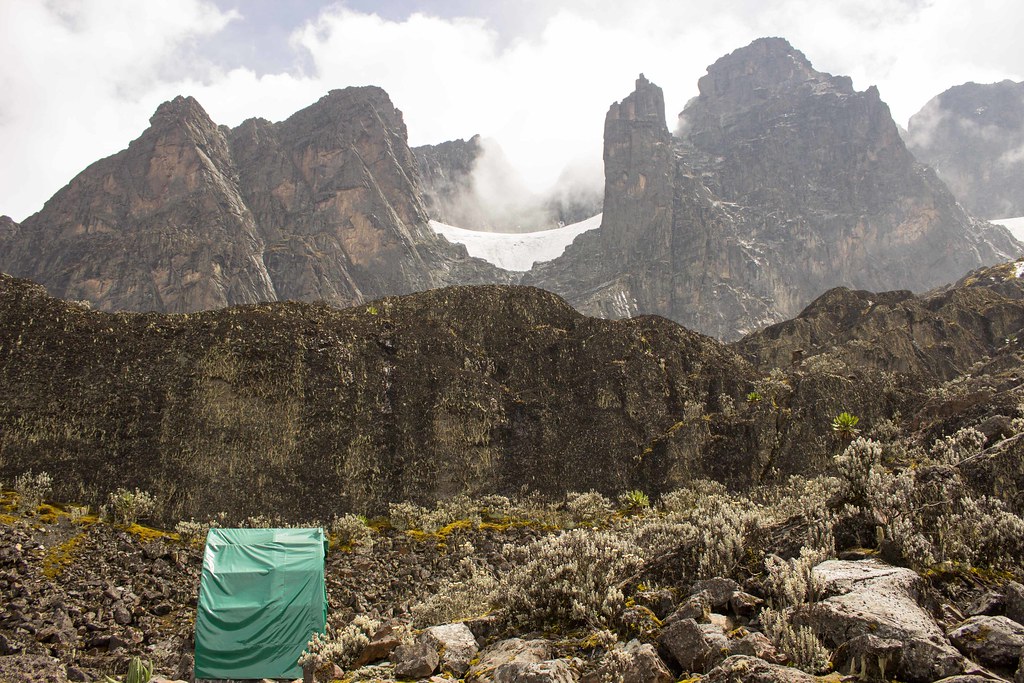
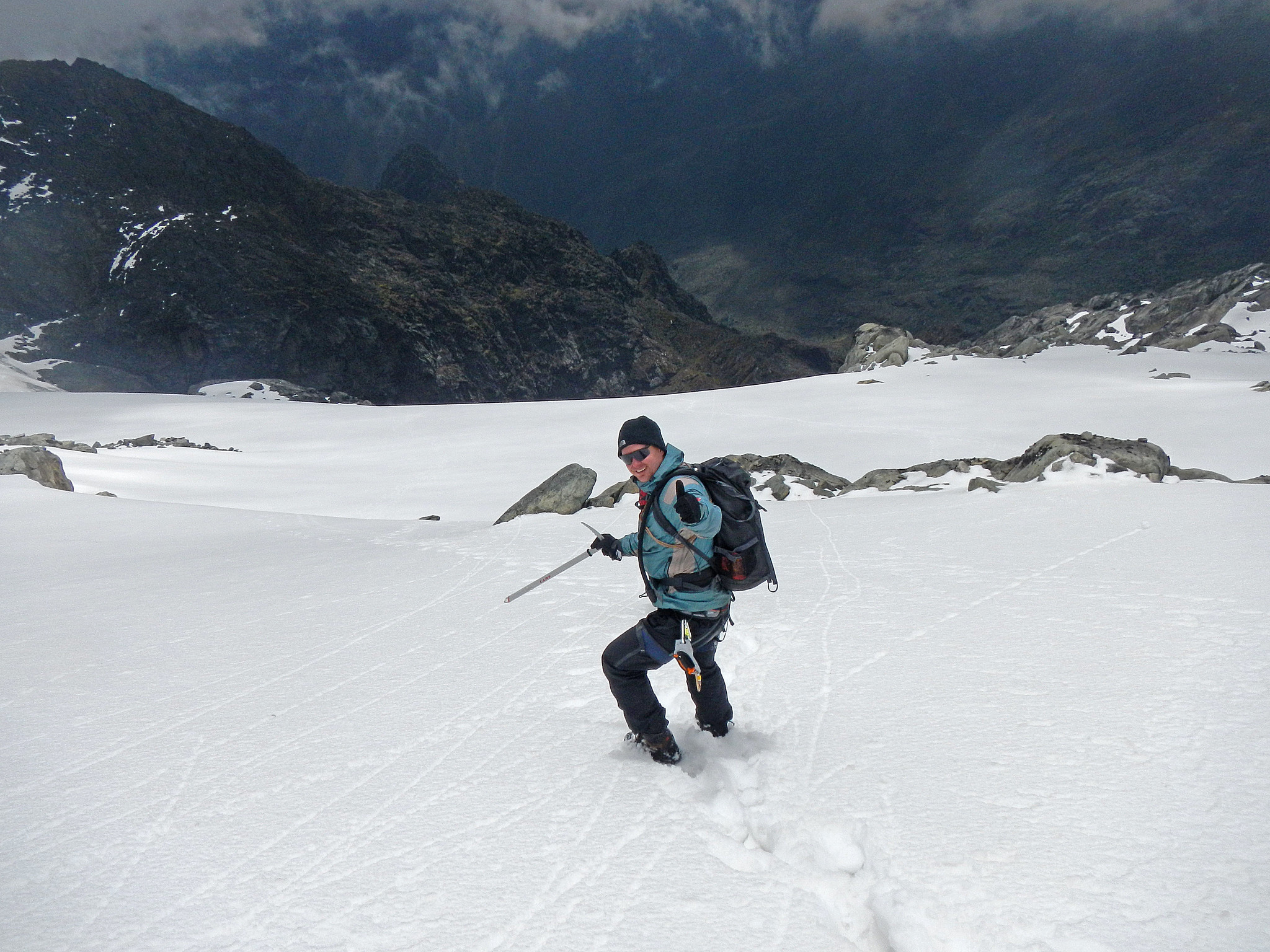
- Rocky/Glacier Zone (4500m–5109m) – Snow-capped peaks and glacial formations that crown Mount Stanley, Mount Speke, and Mount Baker.
These zones are not only breathtakingly beautiful but also ecologically significant, hosting some of Africa’s most unique plant species.
Birdwatcher’s Paradise
Bird enthusiasts will find Rwenzori Mountains a true haven. Over 217 bird species inhabit the park, including 17 endemic species such as the iconic Rwenzori Turaco, Handsome Francolin, Barred Long-tailed Cuckoo, and Golden-winged Sunbird. Forests, valleys, and alpine zones provide perfect habitats for sunbirds, robins, shrikes, and greenbuls, creating a vibrant and unforgettable symphony of colors and songs.
Snow-Capped Peaks
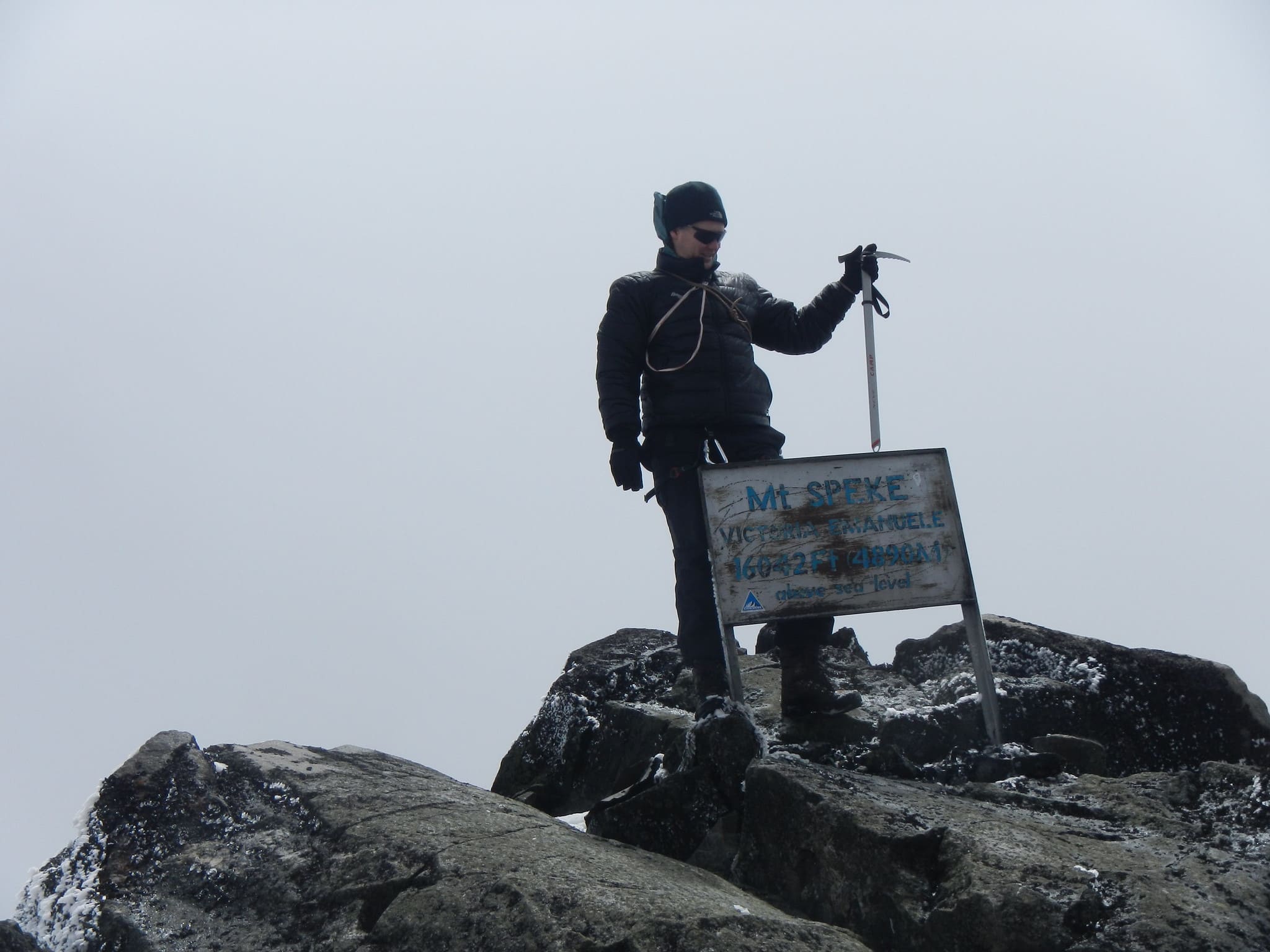
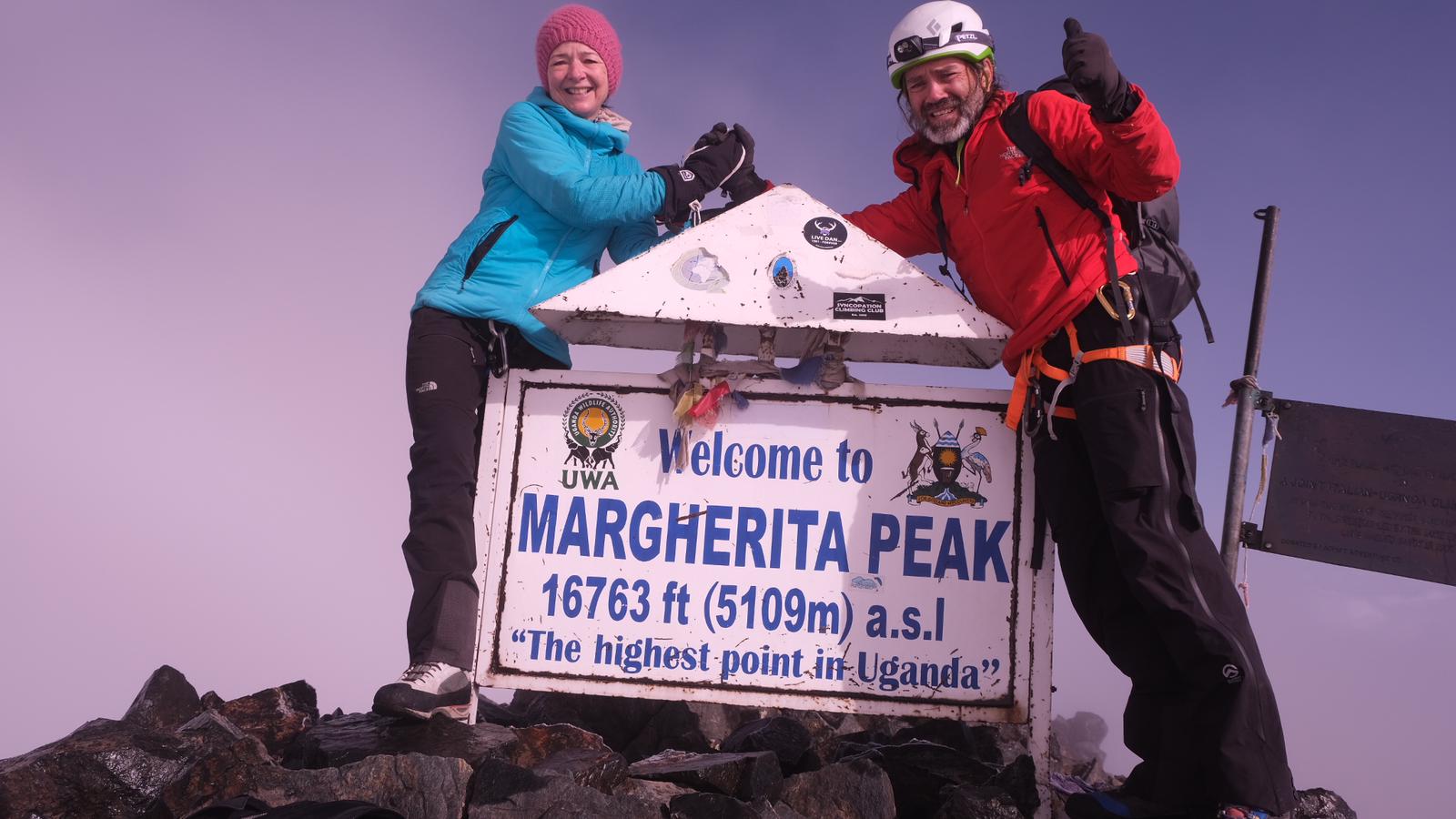
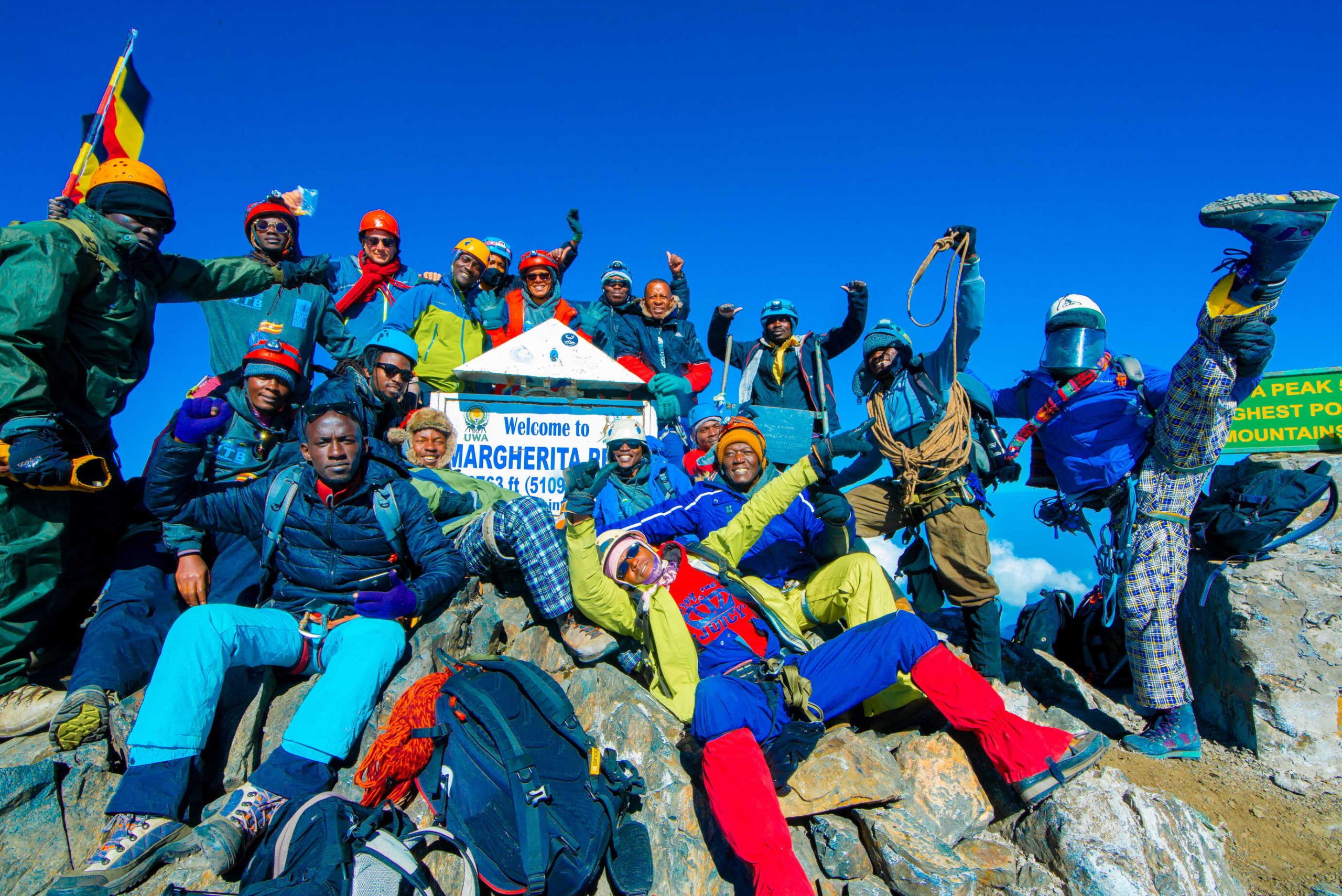
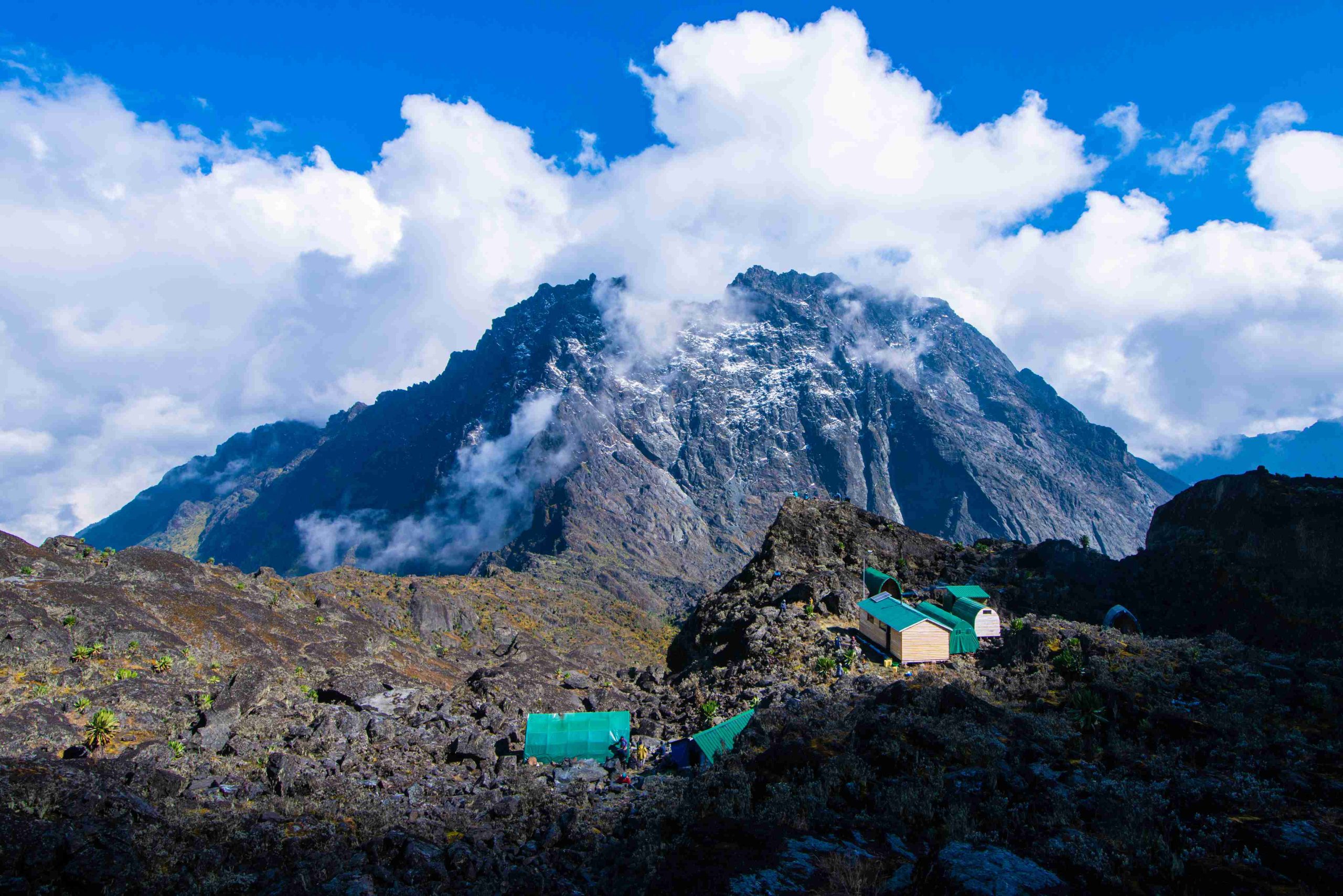
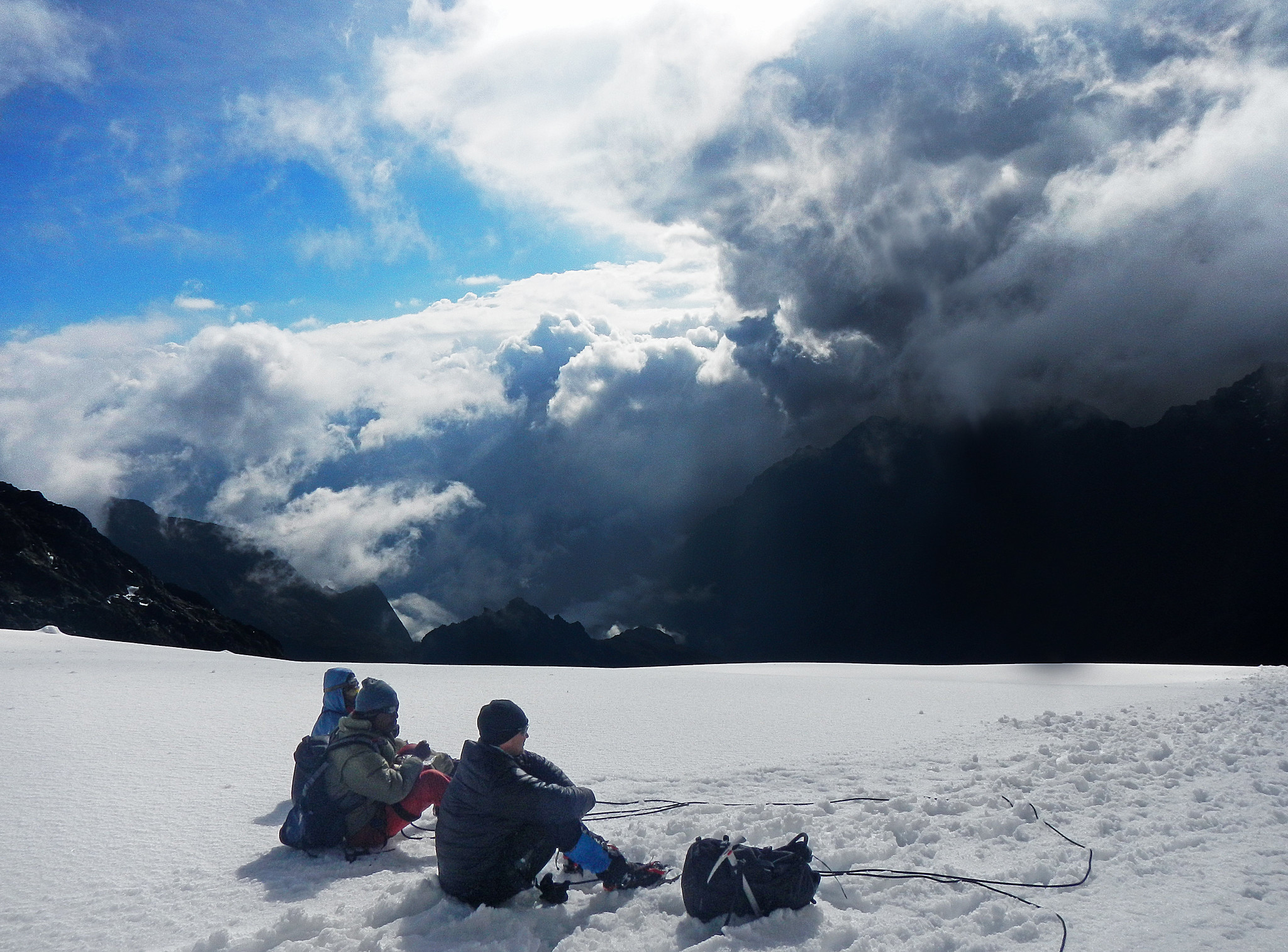
The park’s six major peaks rise dramatically above the surrounding landscape. Mount Stanley, the tallest at 5,109 meters, features the famed Margherita Peak, while Mount Speke (4,890m) and Mount Baker (4,843m) also boast snow and glaciers visible throughout the year. These peaks can be accessed via the Central Circuit Trail or the Kilembe Trail, offering climbers both challenging ascents and panoramic vistas that are impossible to forget.
Lakes and Rivers
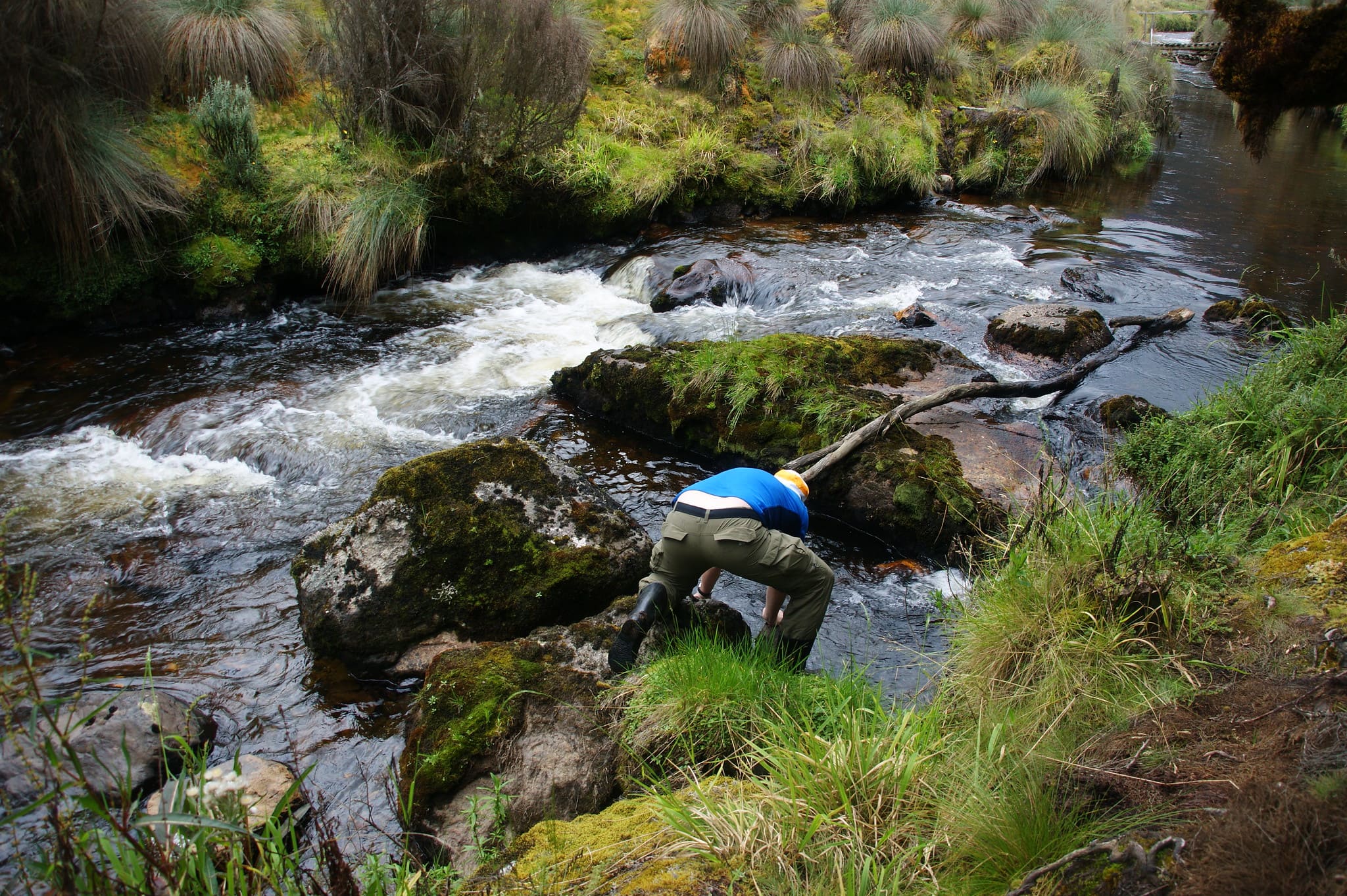
Rwenzori Mountains National Park is dotted with over 20 glacial lakes, each offering its own serene charm. Lake Mahoma, accessible along the Central Circuit Trail, provides a tranquil stop for trekkers, while Bujuku Lake, shadowed by Mount Stanley, Speke, and Baker, sits in a dramatic glacial valley. The Kilembe Trail features a chain of eight pristine lakes formed by glacial moraines, alongside rivers that nourish both wildlife and local communities, making these waterways essential ecological lifelines.
Lake Kitandara, another highlight, sits amidst breathtaking scenery, perfect for a reflective pause during your trek. These lakes and rivers are not just picturesque—they are the lifeblood of the Rwenzori ecosystem.
Why Visit Rwenzori Mountains National Park
Whether it’s the thrill of spotting rare primates, hiking through six distinct vegetation zones, watching endemic birds, or gazing at snow-capped peaks mirrored in glacial lakes, Rwenzori Mountains National Park is a sanctuary for adventurers, nature lovers, and photographers alike. Every trail, valley, and lake tells a story of Africa’s extraordinary natural heritage.
Activities in the Rwenzori, In Detail
Rising majestically to 5,109 meters, the Rwenzori Mountains, or “Mountains of the Moon,” are Africa’s highest block mountain ranges. These snow-capped equatorial peaks offer a wide range of mountain adventures, from challenging treks and peak climbs to leisurely hikes and forest walks, leaving every visitor with unforgettable memories.
Mountain Trekking
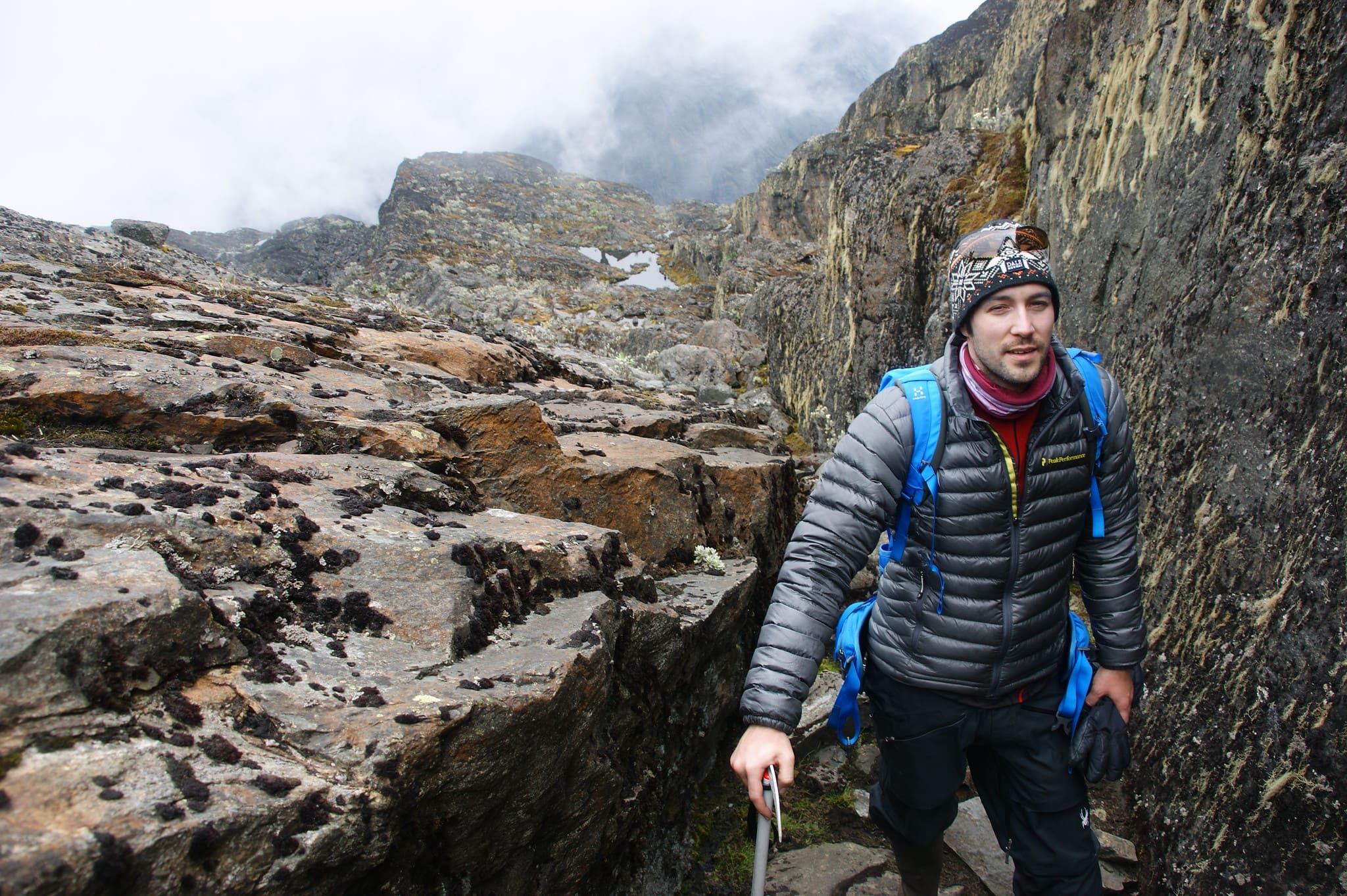
Trekking in the Rwenzori Mountains is an adventure in itself, with several routes that vary in difficulty and duration:
Central Circuit (Mount Stanley): A seven-day trek starting from Nyakalengija park gate, including the ascent of Margherita Peak, the highest summit of Mount Stanley.
Kilembe Route: This route offers a nine-day expedition to summit Mount Stanley, or a shorter six-day trek to the scenic Mount Luigi di Savoia.
Bukurungu Trail: Ascends from Kitumba to Mount Gessi, providing a quieter yet equally stunning trek.
The best months for trekking are during the dry season, particularly January and June–July, when trail conditions are safer and views are clearer.
Peak Climbing
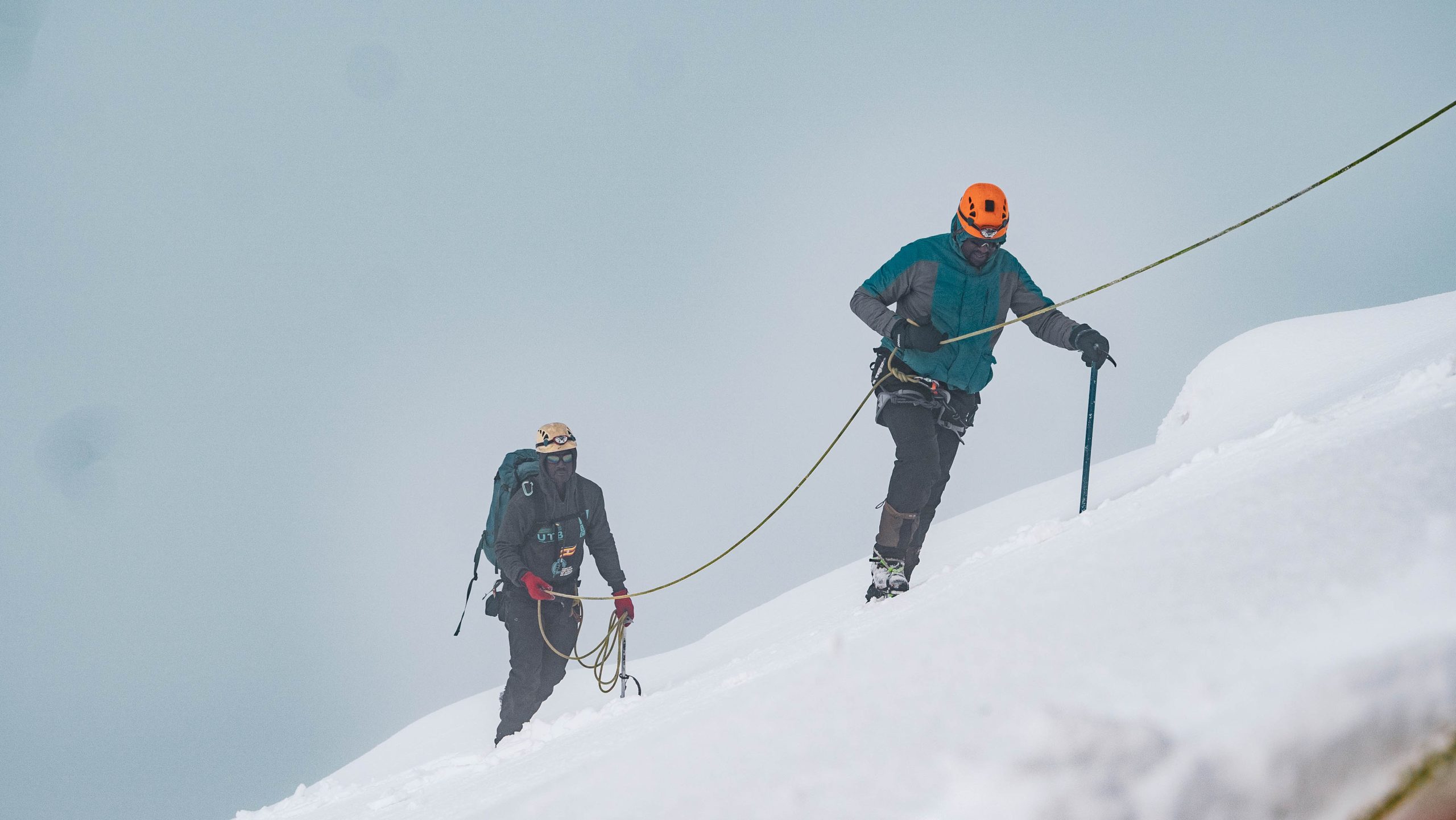
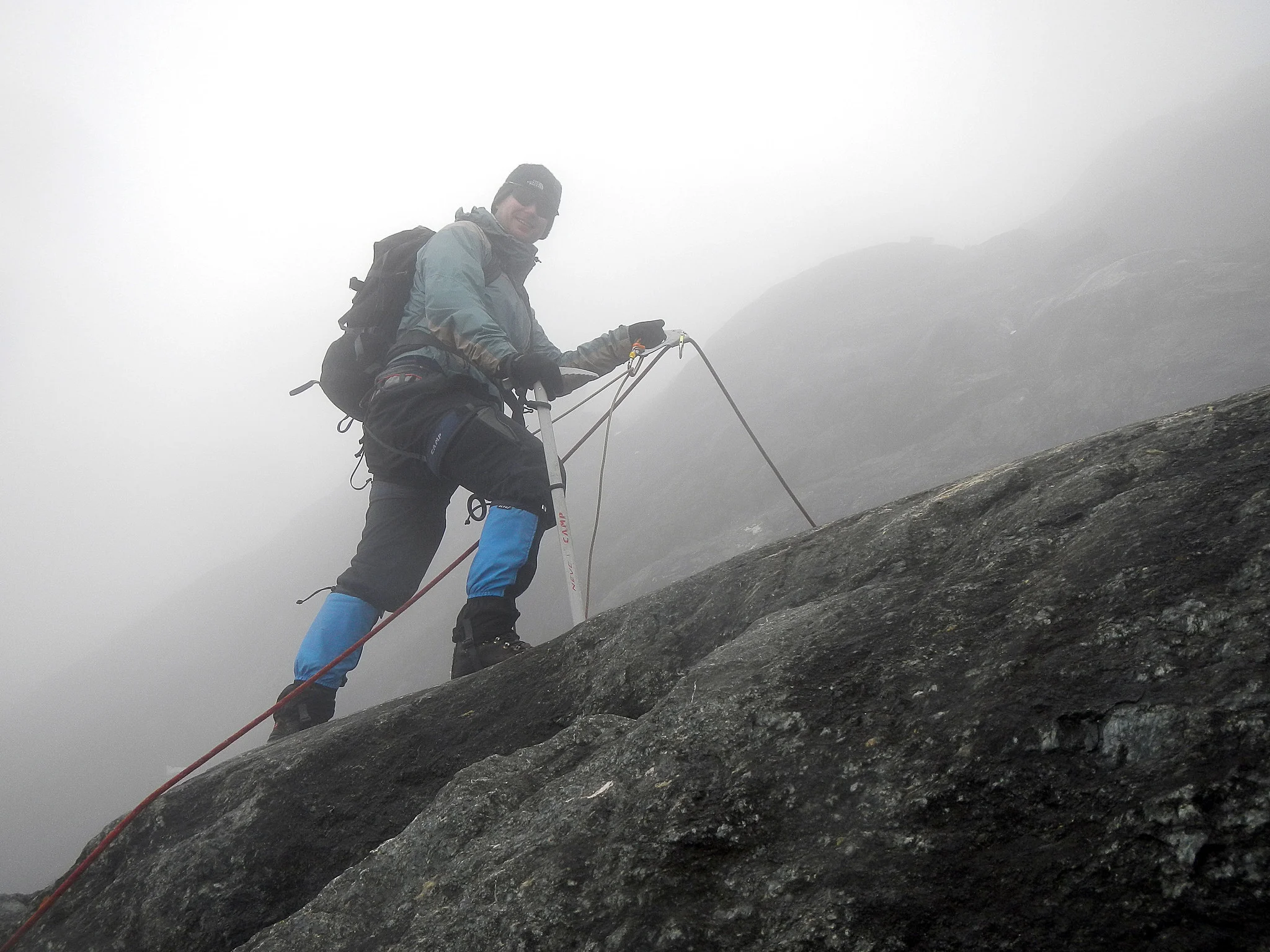
The Rwenzori range’s six major peaks are all climbable, with Margherita Peak (5,109 m) being the most sought-after. Summiting Mount Stanley, Mount Speke, or Mount Baker is physically demanding and often involves challenging weather conditions. These climbs require specialist equipment and technical experience, though age is not a barrier—fitness and preparation are essential.
Notably, ascending Mount Stanley requires a minimum of seven days, allowing climbers to safely acclimatize while enjoying the mountain’s dramatic landscapes.
Hiking
For those seeking less demanding adventures, the Rwenzori offers shorter, scenic hikes through awe-inspiring mountain landscapes:
Kilembe Trail Detour: Leads to Luigi di Savoia (4,627 m), showcasing afro-alpine vegetation, patches of equatorial snow, and panoramic views of Mount Stanley when weather permits.
Nyakalengija Trailhead: Offers a two-day hike to Lake Mahoma, nestled in the bamboo forest zone.
Kazingo Trail: Provides a two-day traverse of the northern Rwenzori ridge, linking Fort Portal Plateau with Bundibugyo in the Semuliki Valley, ideal for adventurous hikers.
These hikes highlight the Rwenzori’s unique combination of equatorial snow, giant heathers, and unusual alpine flora, making every step a journey through one of Africa’s most extraordinary mountain ecosystems.
Forest Walks and Bird Watching
The lower slopes of the Rwenzori Mountains are covered in lush forests, accessible via day walks from the Kilembe and Nyakalengija trailheads. This zone is a haven for bird enthusiasts, featuring species such as:
Visitors may also spot rare and localized wildlife like the three-horned chameleon and the Rwenzori colobus monkey, making forest walks and bird watching a rewarding complement to mountain trekking.
The Rwenzori Mountains offer an unparalleled blend of adventure, wildlife, and stunning scenery—whether you aim to summit Africa’s highest equatorial peak or explore its serene forests and ridges.
Related Guides