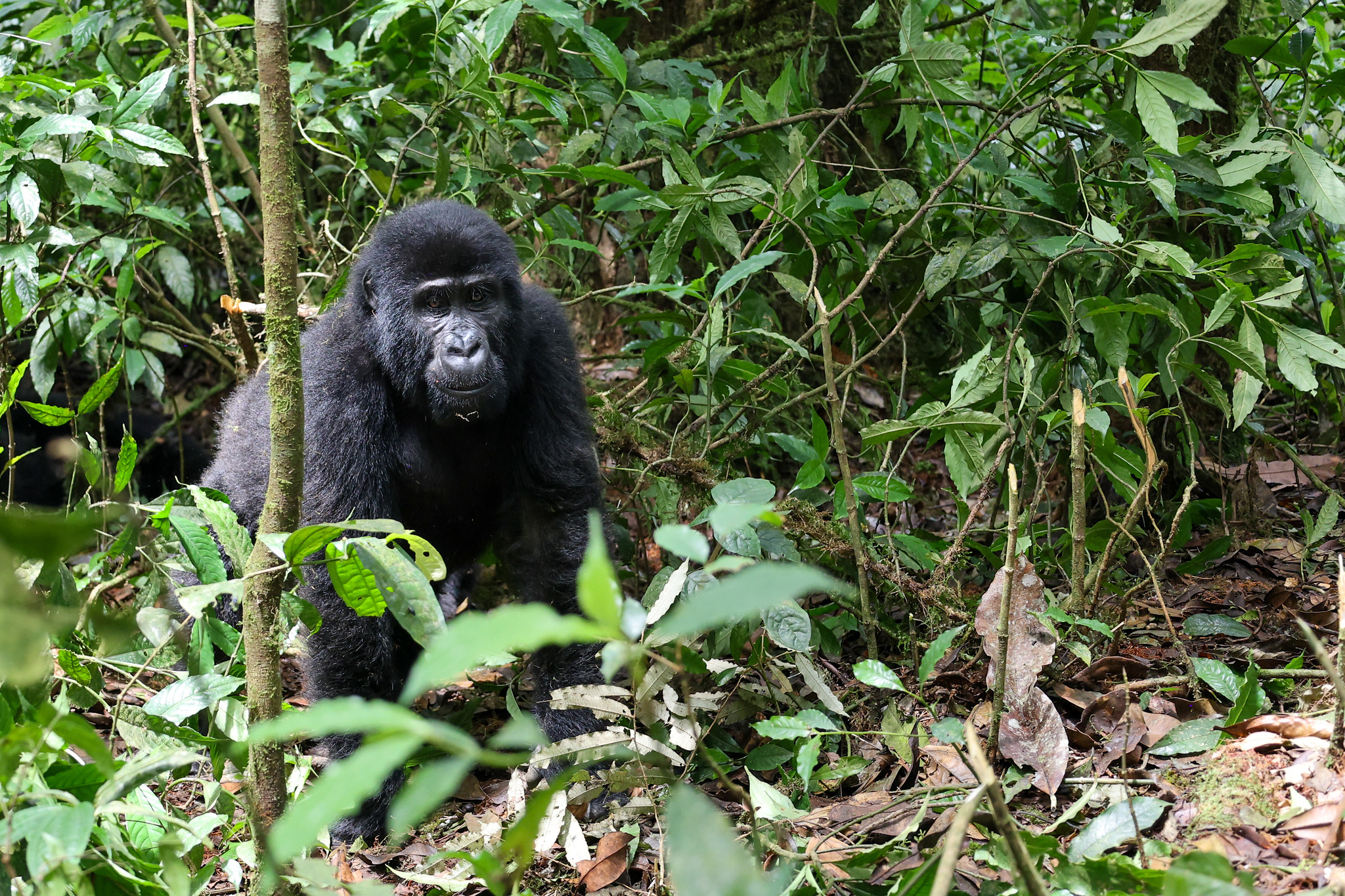
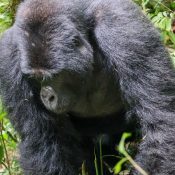
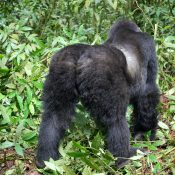
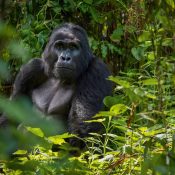
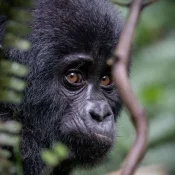
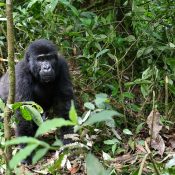
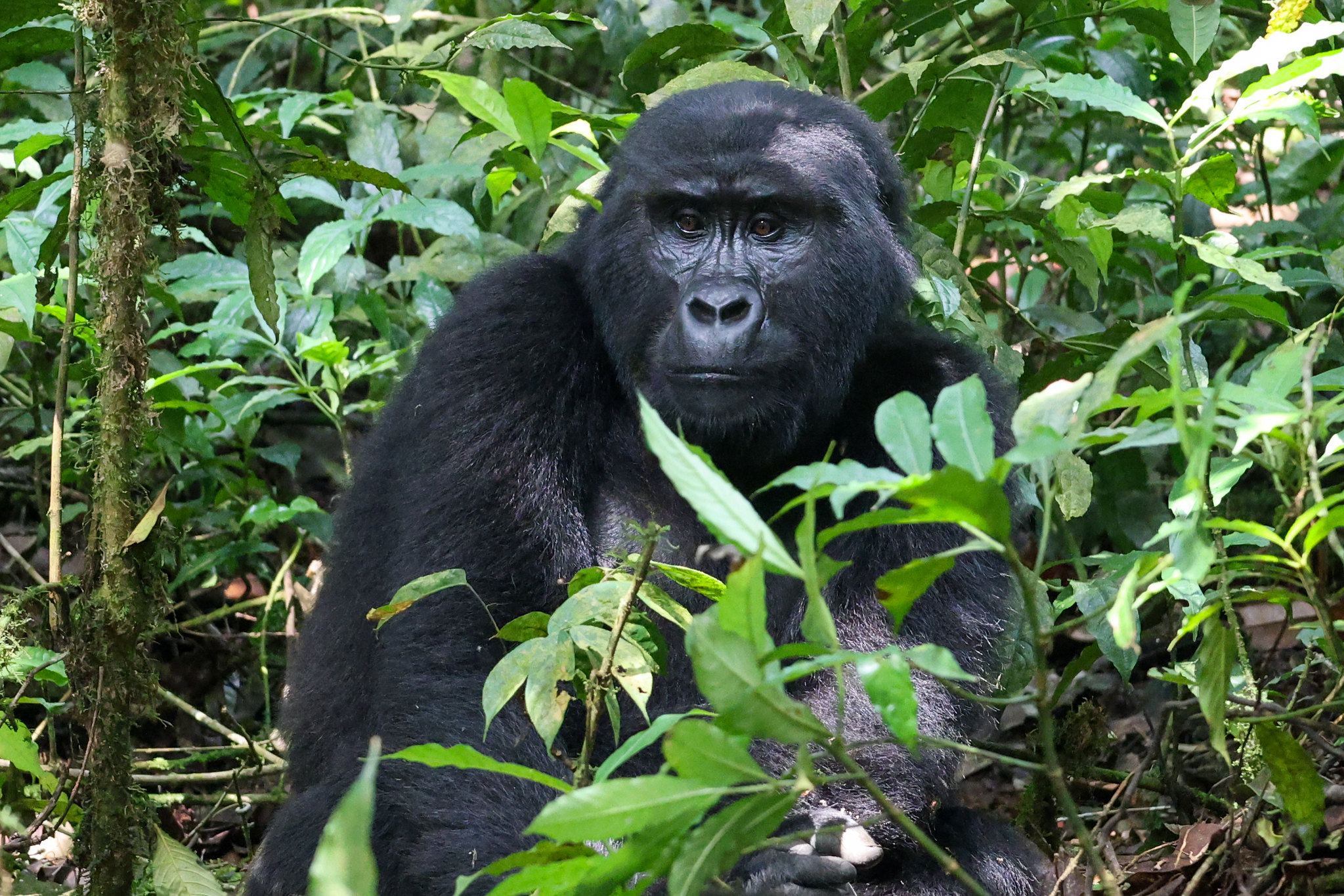
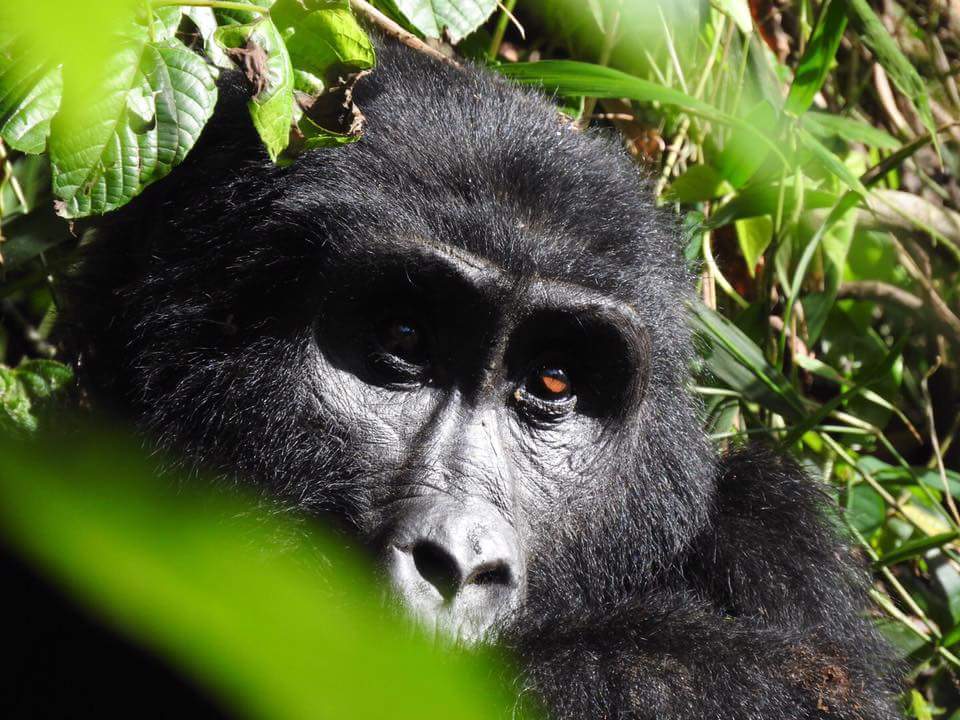
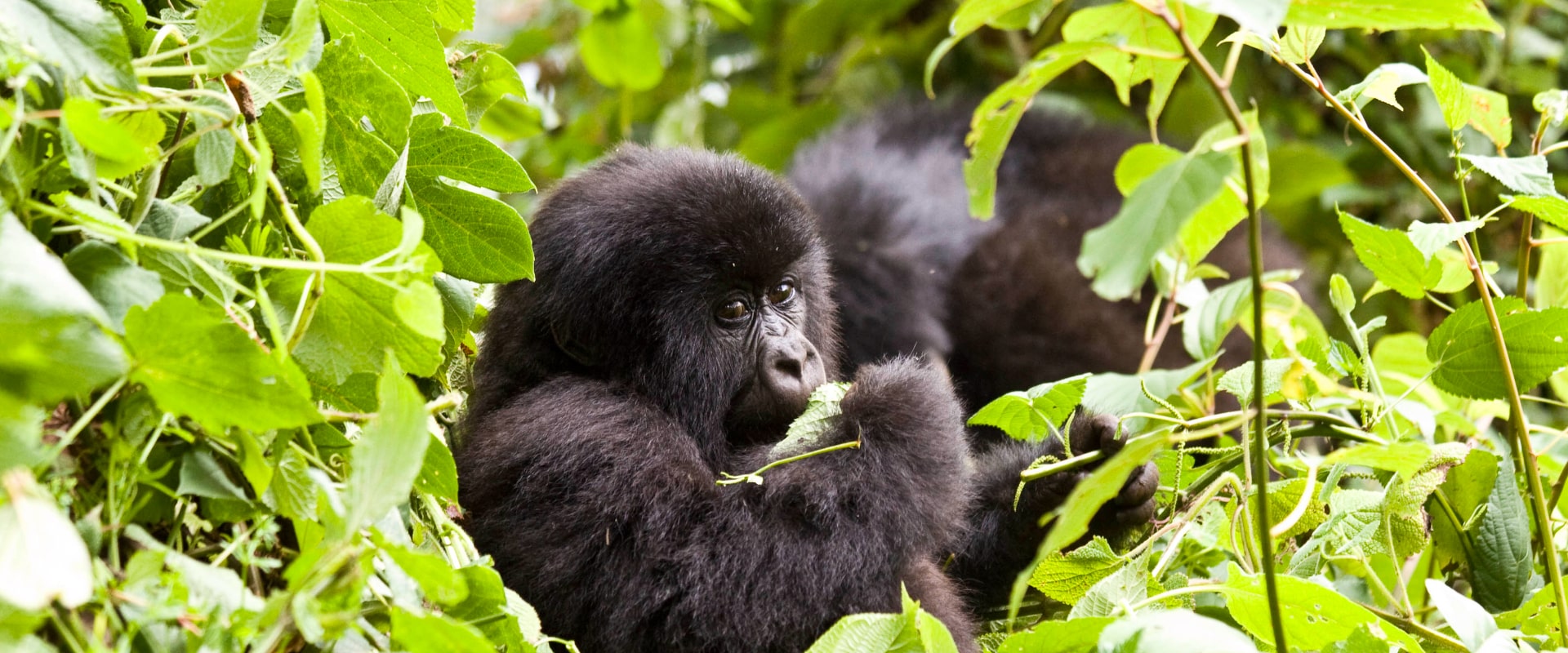
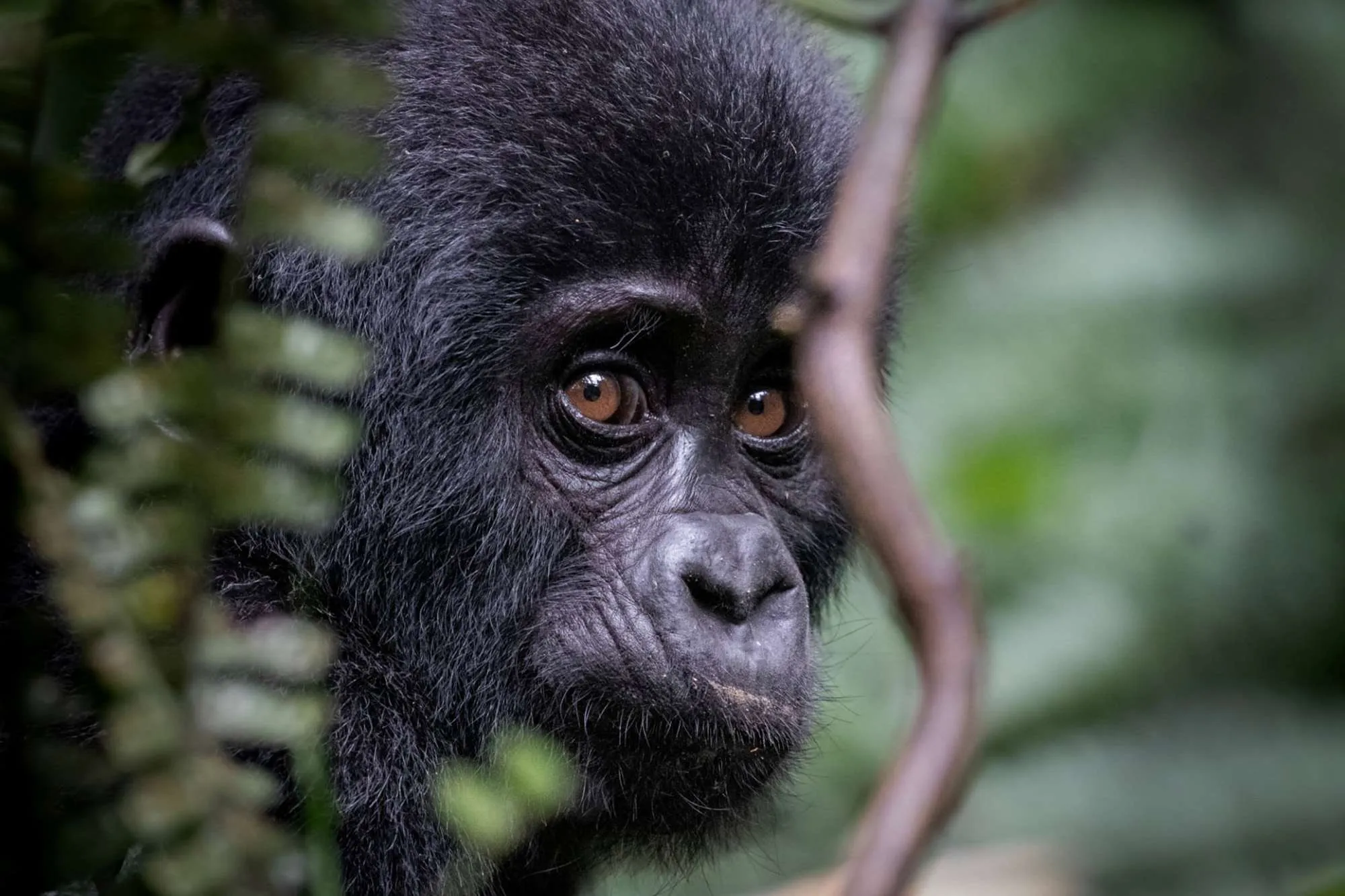
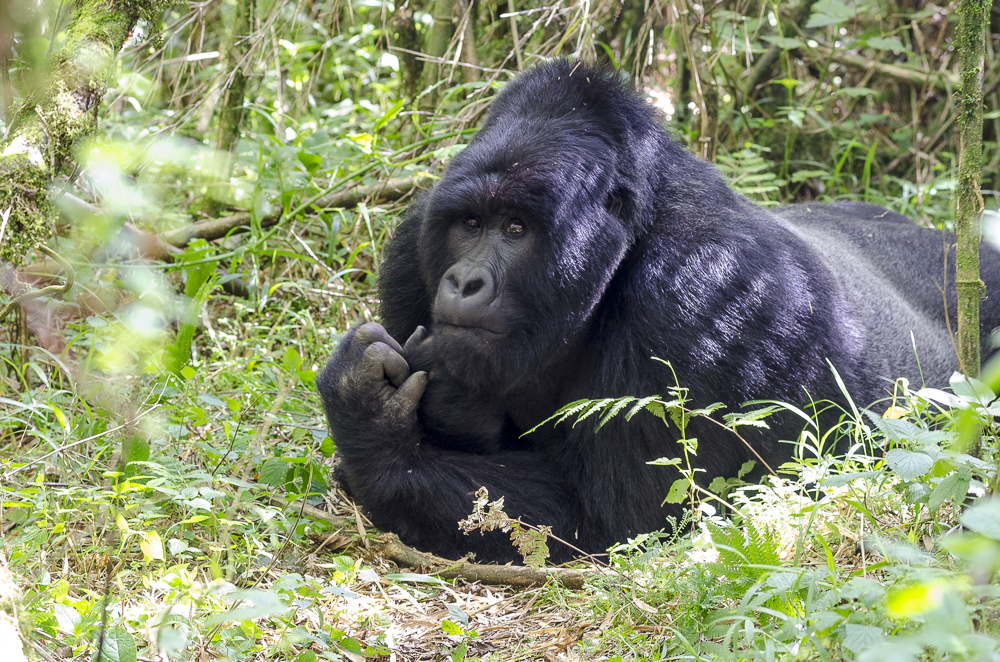
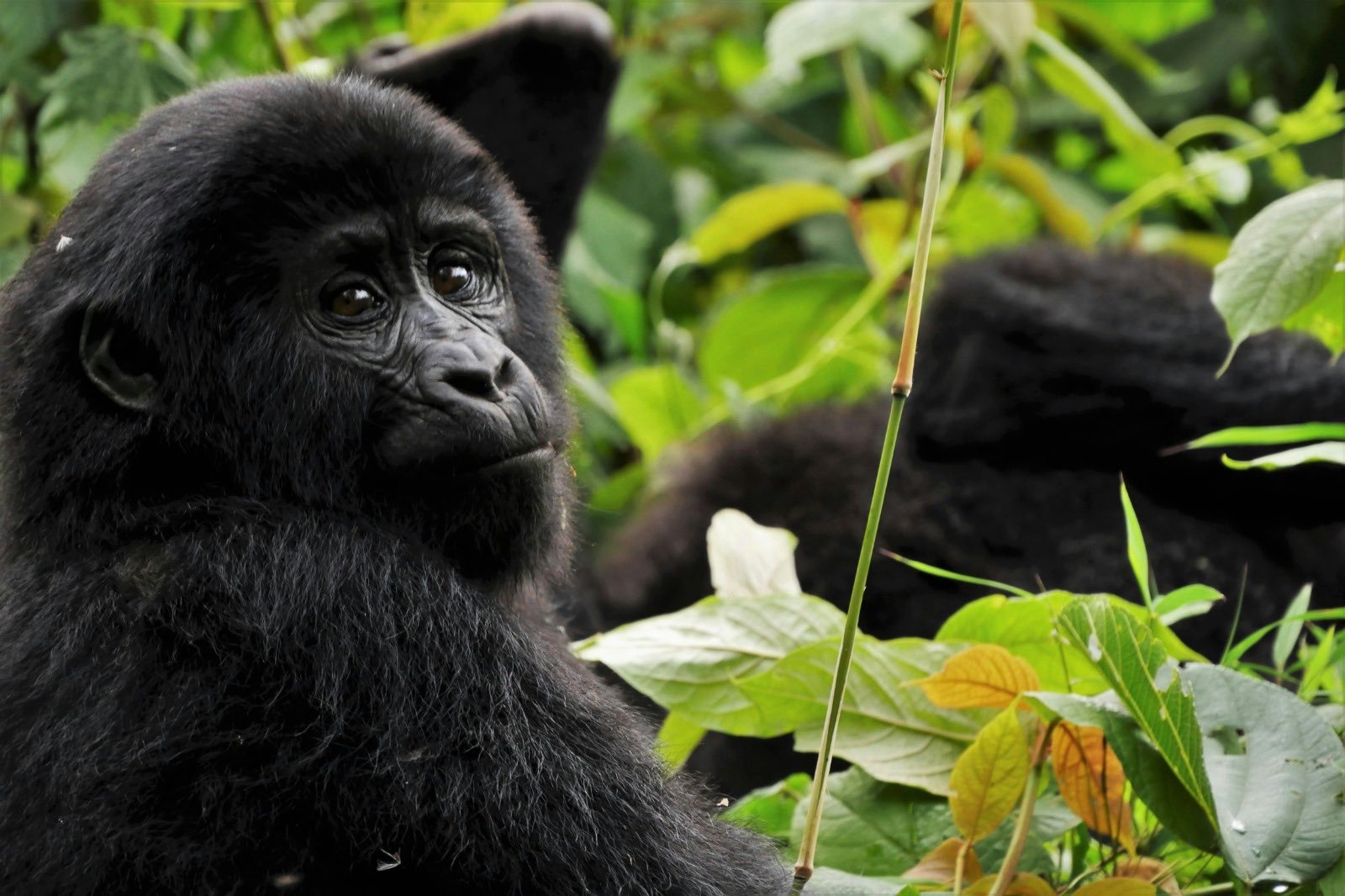
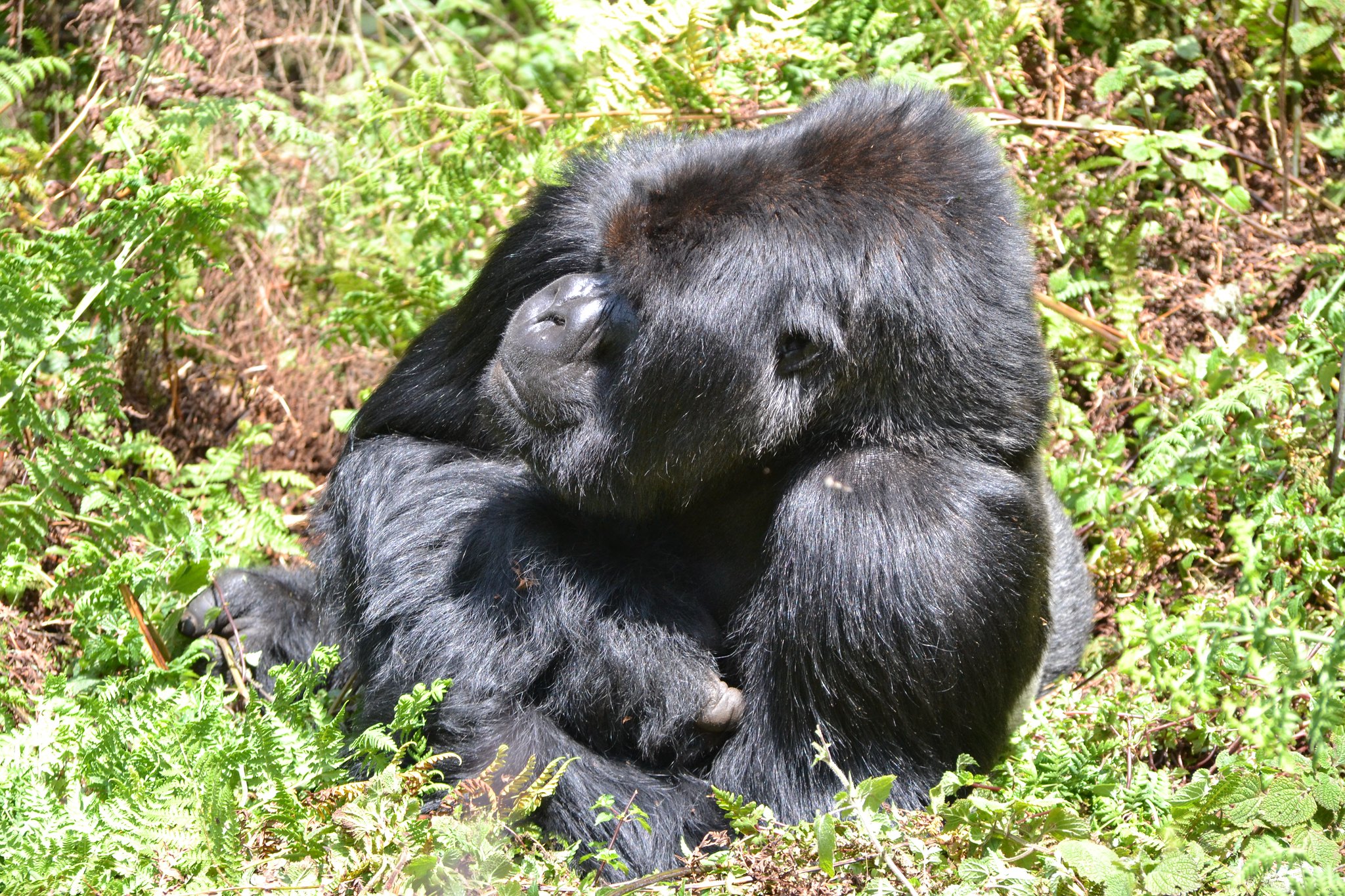
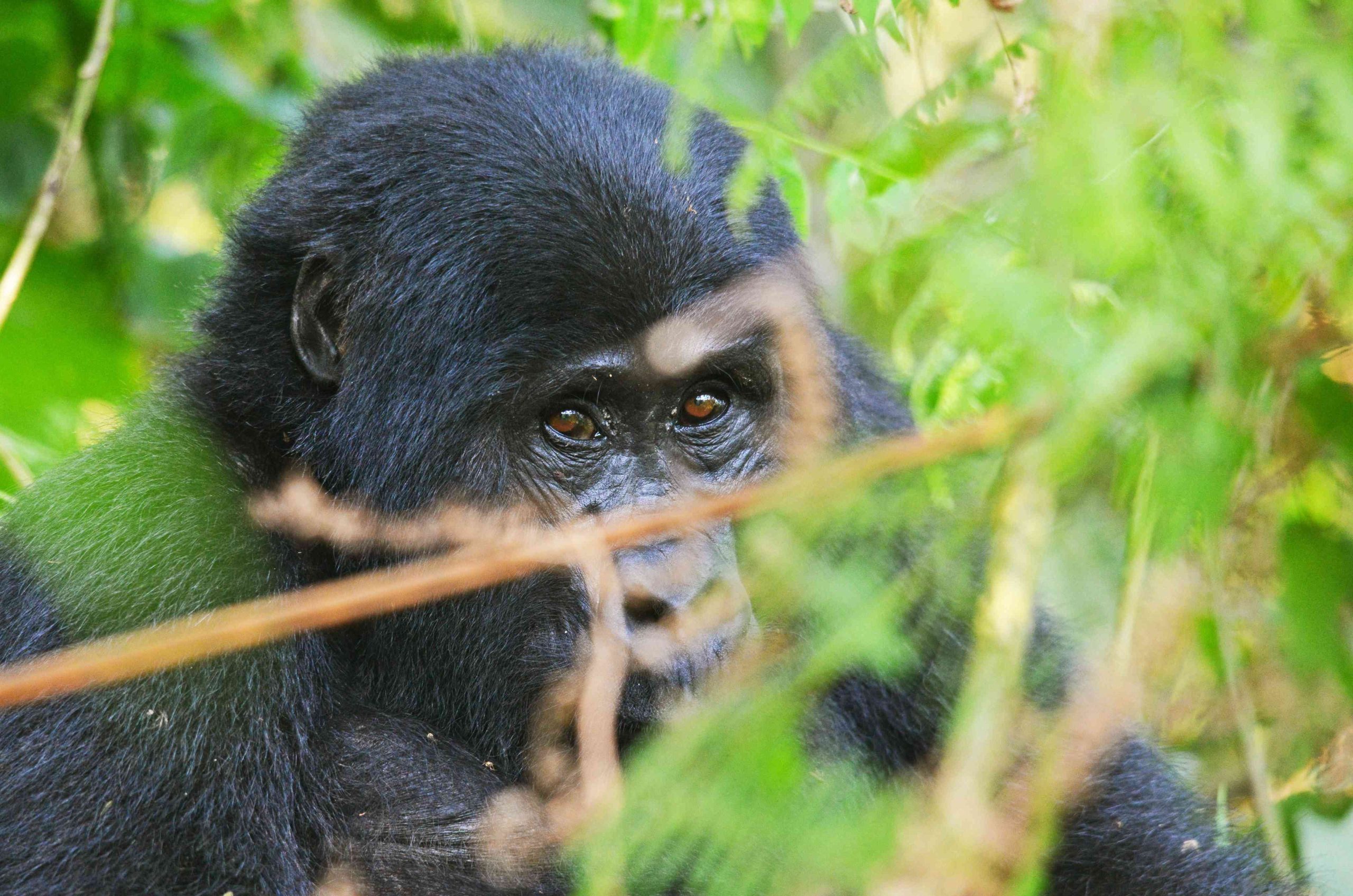
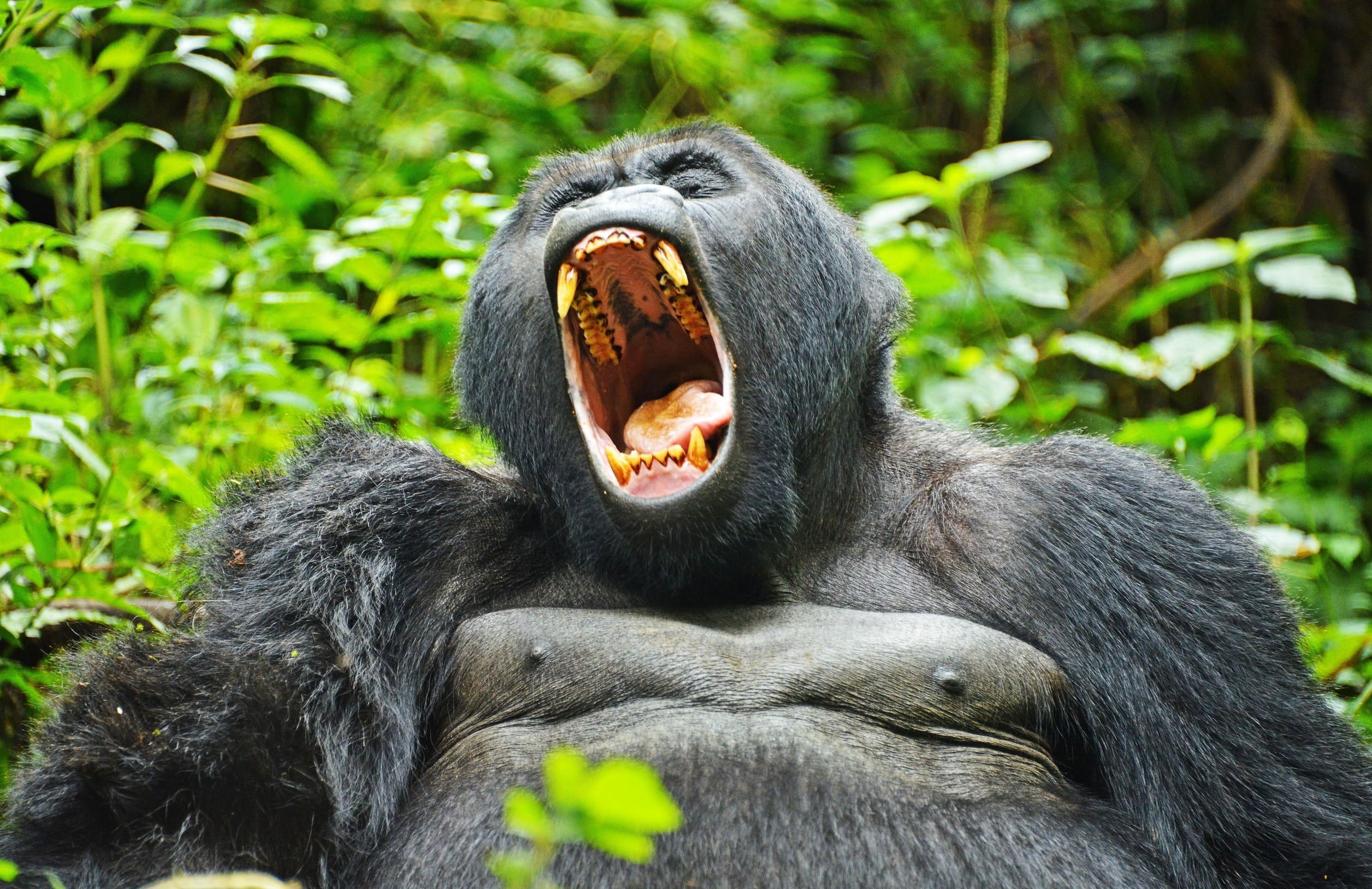
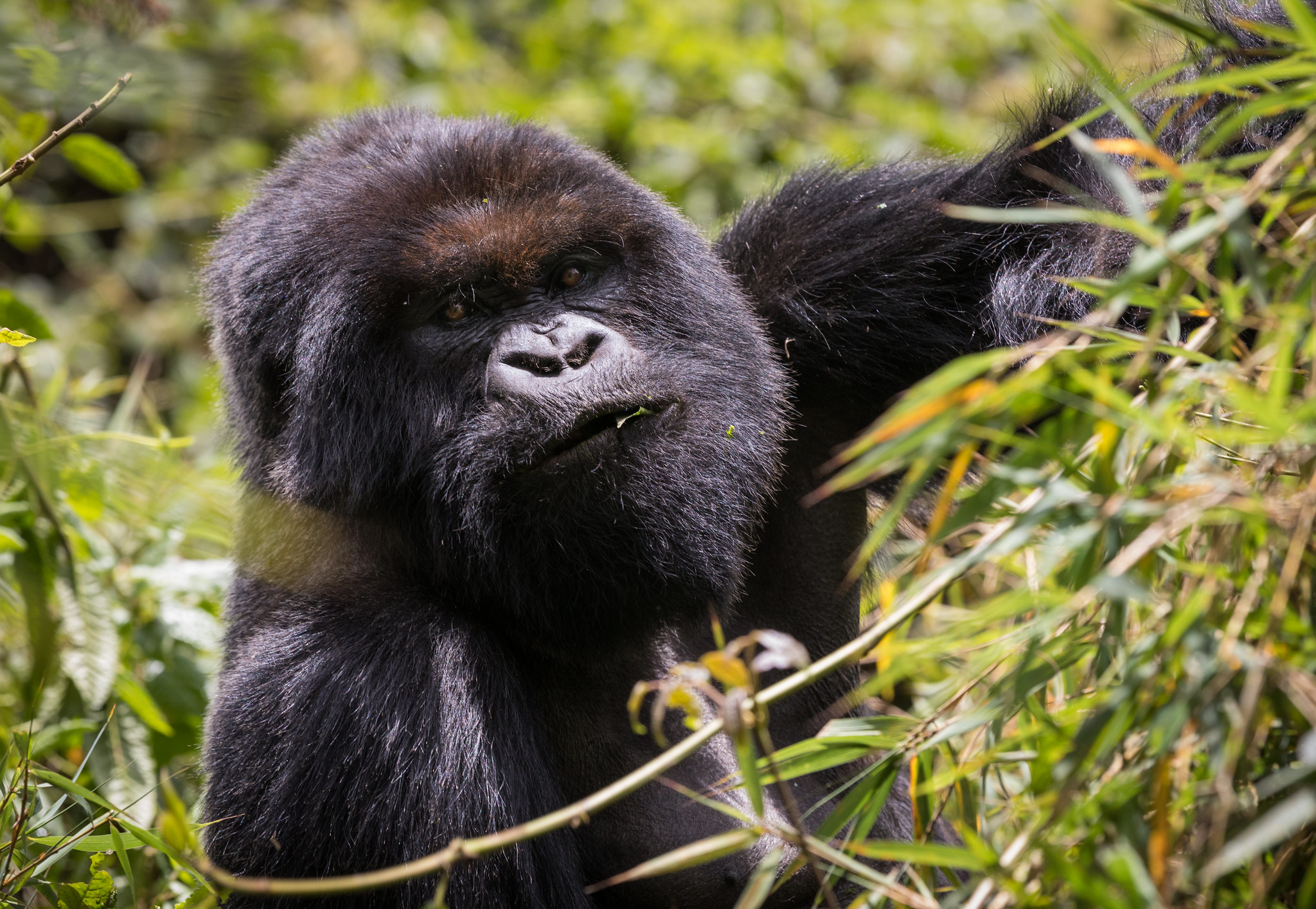
A gorilla trekking permit is the single most important document in your safari. It is your legal authorization to spend one unforgettable hour with a habituated mountain gorilla family — and in 2026, the rules around getting one changed significantly. This guide covers current permit prices in Uganda and Rwanda, the new booking rules, and how to secure your date before it sells out.
What a Gorilla Permit Actually Covers
In Uganda, permits are issued by the Uganda Wildlife Authority (UWA) for Bwindi Impenetrable National Park and Mgahinga Gorilla National Park. In Rwanda, the Rwanda Development Board (RDB) issues permits for Volcanoes National Park. Your permit includes park entry for the trekking day, an armed ranger guide, the trackers who locate your gorilla family before you set off, and the one-hour visit itself. It does not include transport, accommodation, meals, or porter fees.
Each habituated gorilla family receives a maximum of eight visitors per day, which keeps total availability in Uganda to roughly 160–176 permits daily across both parks. That scarcity is deliberate — it protects the gorillas — and it is why permits sell out months ahead in peak season.
Uganda Gorilla Permit Prices in 2026
Under the tariff structure UWA announced in February 2026, standard gorilla trekking permits cost:
- Foreign non-residents: USD 800 per person
- Foreign residents: USD 700 per person
- African citizens (non-EAC): USD 500 per person
- East African citizens: UGX 300,000 per person
New for 2026: Discounted Low-Season Permits
The biggest news in the 2026 tariff is the return of low-season pricing. For treks in April, May, and November, foreign non-residents pay USD 600 (a $200 saving) and foreign residents pay USD 500. Two things to know before you grab one: these months are rainier — the forests are at their most lush, but trails are muddier — and discounted permits are non-reschedulable, so your dates must be firm.
The Gorilla Habituation Experience
Uganda offers something Rwanda does not: the Gorilla Habituation Experience in Bwindi’s Rushaga sector, where a maximum of four visitors spend up to four hours with a semi-habituated family alongside researchers. The habituation permit was USD 1,500 through June 2026; under UWA’s latest tariff it rises to USD 1,800 for foreign non-residents — confirm the current rate when booking, as the new pricing rolls out through 2026–2027.
Rwanda Gorilla Permit Prices
Rwanda’s permit for Volcanoes National Park costs USD 1,500 per person for international visitors — nearly double Uganda’s standard rate. What you pay for is convenience: Volcanoes National Park is only 2–3 hours by road from Kigali International Airport, so a fly-in trek is possible over a long weekend.
The 2026 Booking Rule Changes You Must Know
1. No more 7-day reservation holds
Effective 1 March 2026, UWA suspended the old system that allowed permits to be reserved for seven days without payment. Full payment is now required at the time of booking. The practical effect: permits sell out faster, and “I’ll confirm next week” can mean losing your date. When you find availability that fits your itinerary, be ready to commit.
2. Foreign non-residents book through licensed operators
Since 2024, UWA has required foreign non-residents to purchase permits through licensed Ugandan tour operators rather than directly. A reputable operator checks live availability, purchases the permit in your name (matched to your passport), and sends you the receipt as confirmation — the standard, safe process that protects you from permit fraud.
3. Stricter health rules on the trek
Because gorillas share about 98% of our DNA, human respiratory illness can be fatal to them. The 2026 protocol enforces a 10-meter viewing distance (up from the old 7 meters) and requires a surgical mask in the gorillas’ presence. If you fall ill before your trek and self-report to the warden, UWA typically offers a 50% refund or a reschedule — honesty is rewarded.
How Far in Advance Should You Book?
For the peak dry seasons — June to September and December to February — book 6 to 10 months ahead, especially for specific Bwindi sectors or the four daily habituation slots. Shoulder and low-season dates can sometimes be secured 2–3 months out, but with the reservation hold gone, early booking is the only guarantee.
Which Bwindi Sector Will Your Permit Be For?
Bwindi permits are sector-specific: Buhoma (north, the classic sector), Ruhija (east, quieter and higher), and Rushaga and Nkuringo (south — the most gorilla families, home of the habituation experience, and easiest to combine with Kigali arrivals). Your sector determines where you sleep the night before; mismatching lodge and sector is the most common self-booking mistake we see. If you arrive via Rwanda, a Bwindi trek from Kigali through the southern sectors saves a full day of driving.
Frequently Asked Questions
What is the minimum age for gorilla trekking?
15 years, in both Uganda and Rwanda. There is no upper age limit — porters and, where needed, sedan chairs help older trekkers reach the gorillas.
Can I reschedule my Uganda permit?
Standard permits can usually be rescheduled if you apply at least 14 days before your trek date, with the new date within 12 months and subject to availability. Low-season discounted permits cannot be rescheduled at all.
Is a permit guaranteed to show me gorillas?
Sightings are not contractually guaranteed, but success rates are above 95% — trackers monitor each family daily and guide your group directly to them.
Do I need a separate park entry fee?
No. The trekking permit includes park entry for the day of your trek.
Ready to Lock In Your Permit?
Permit availability changes daily, and under the 2026 pay-at-booking rule the calendar moves fast. Tell us your preferred dates and we will check live availability and secure your permits the same day — start with our safari planning form or browse our gorilla trekking experiences in Uganda and Rwanda.
Related Guides