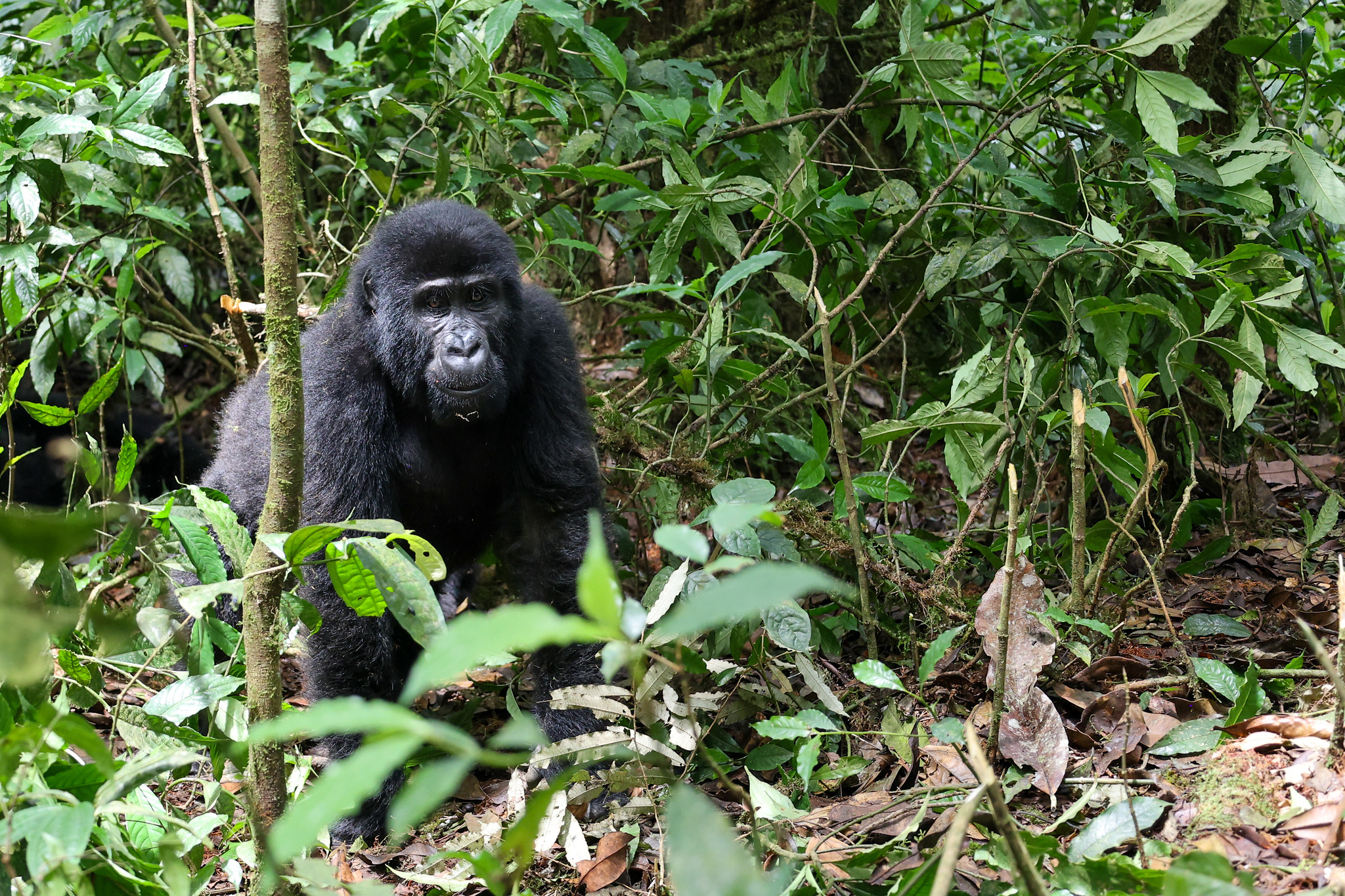
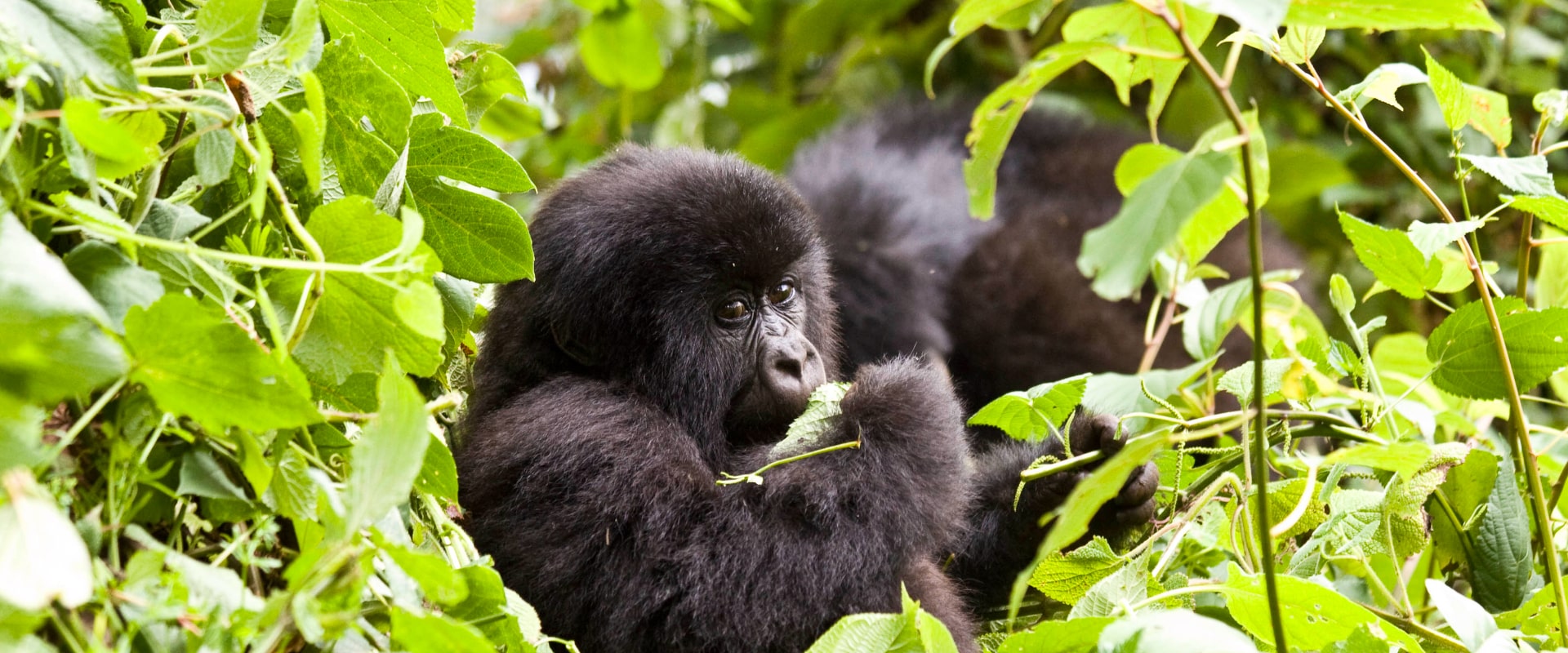
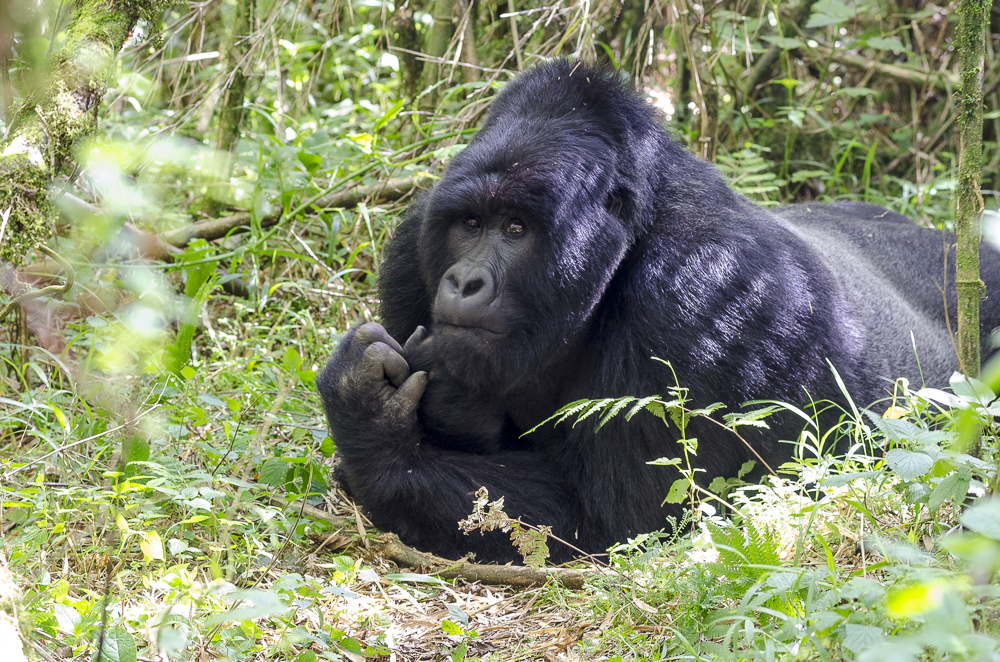
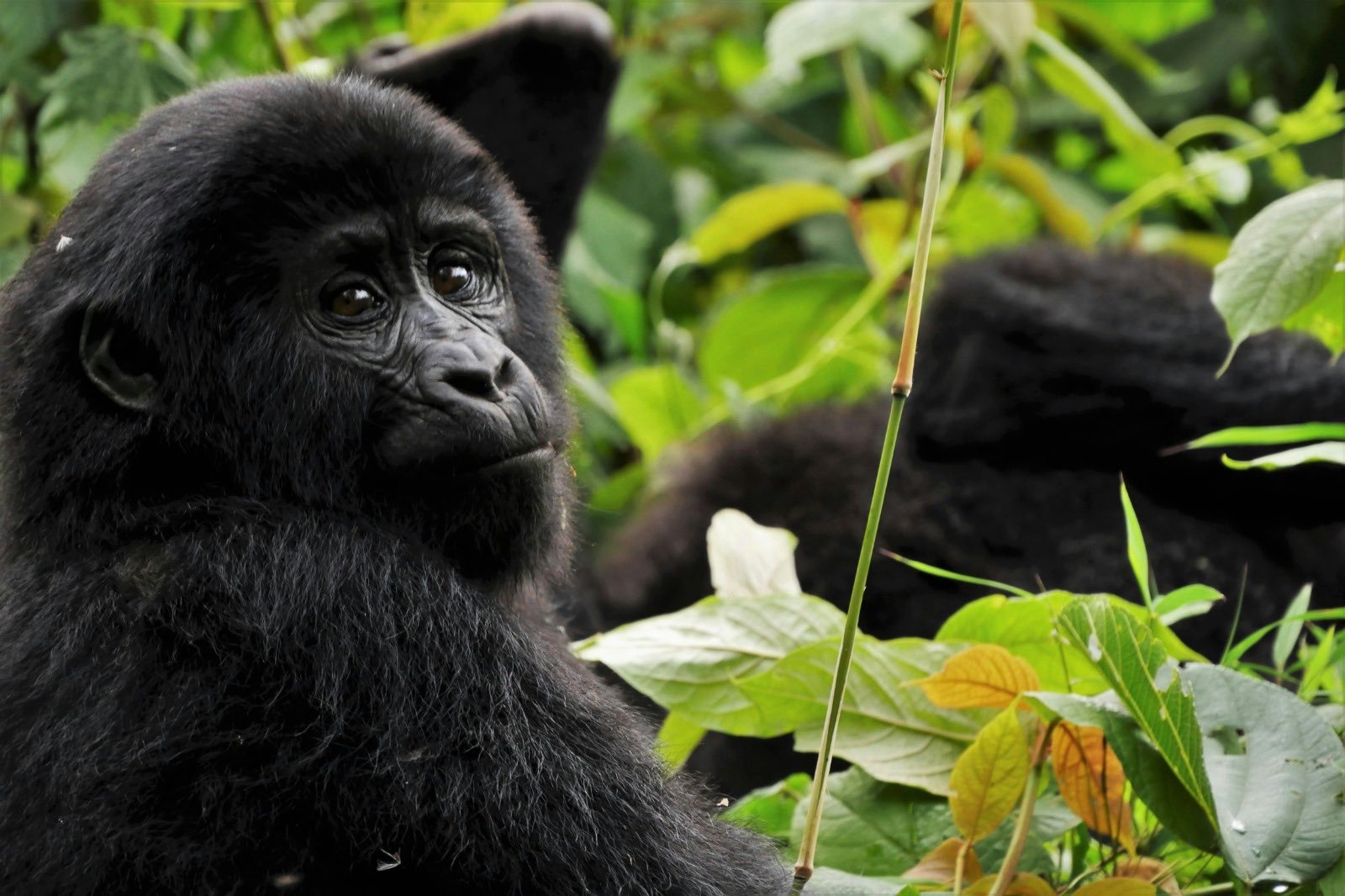
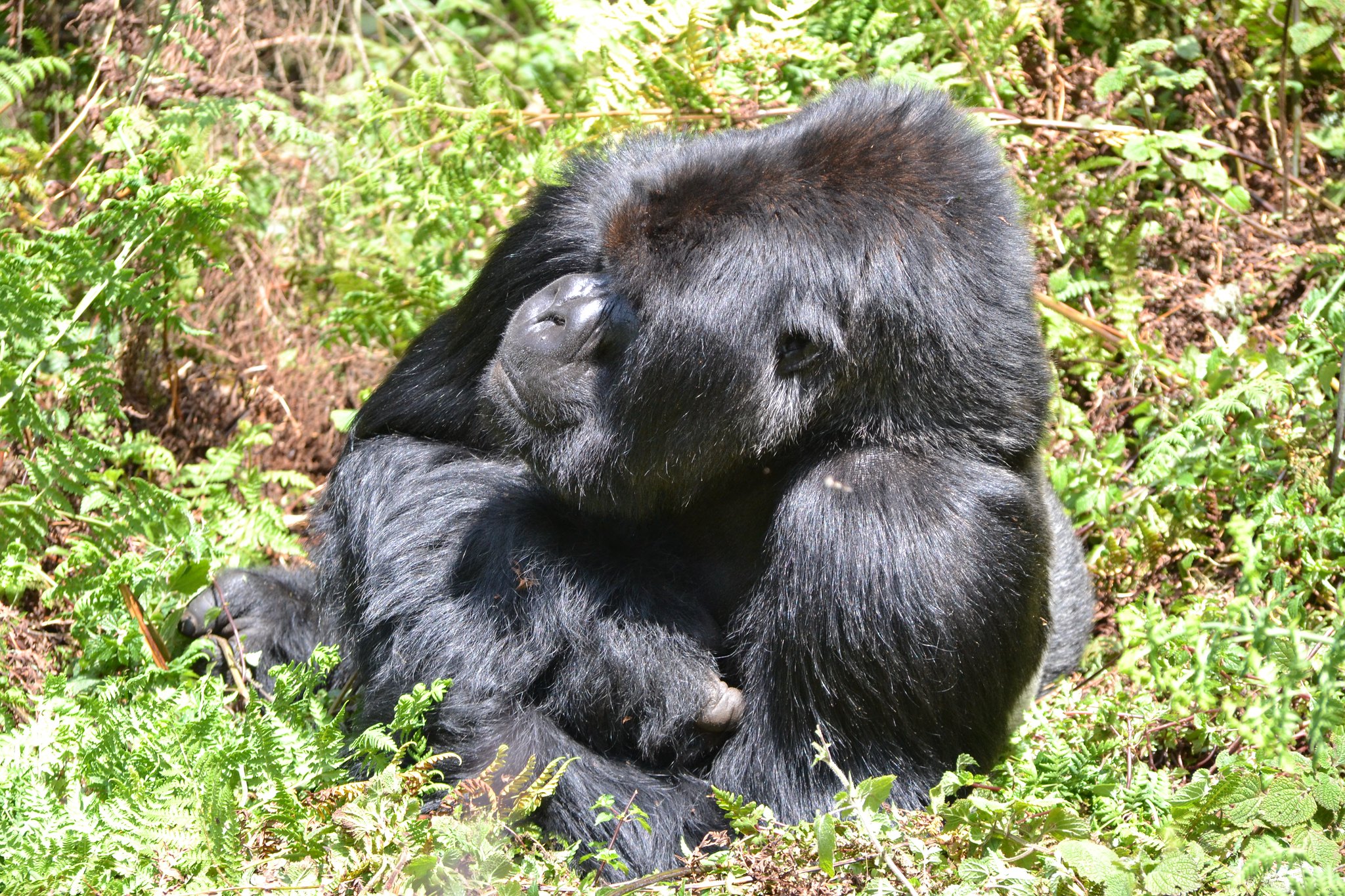
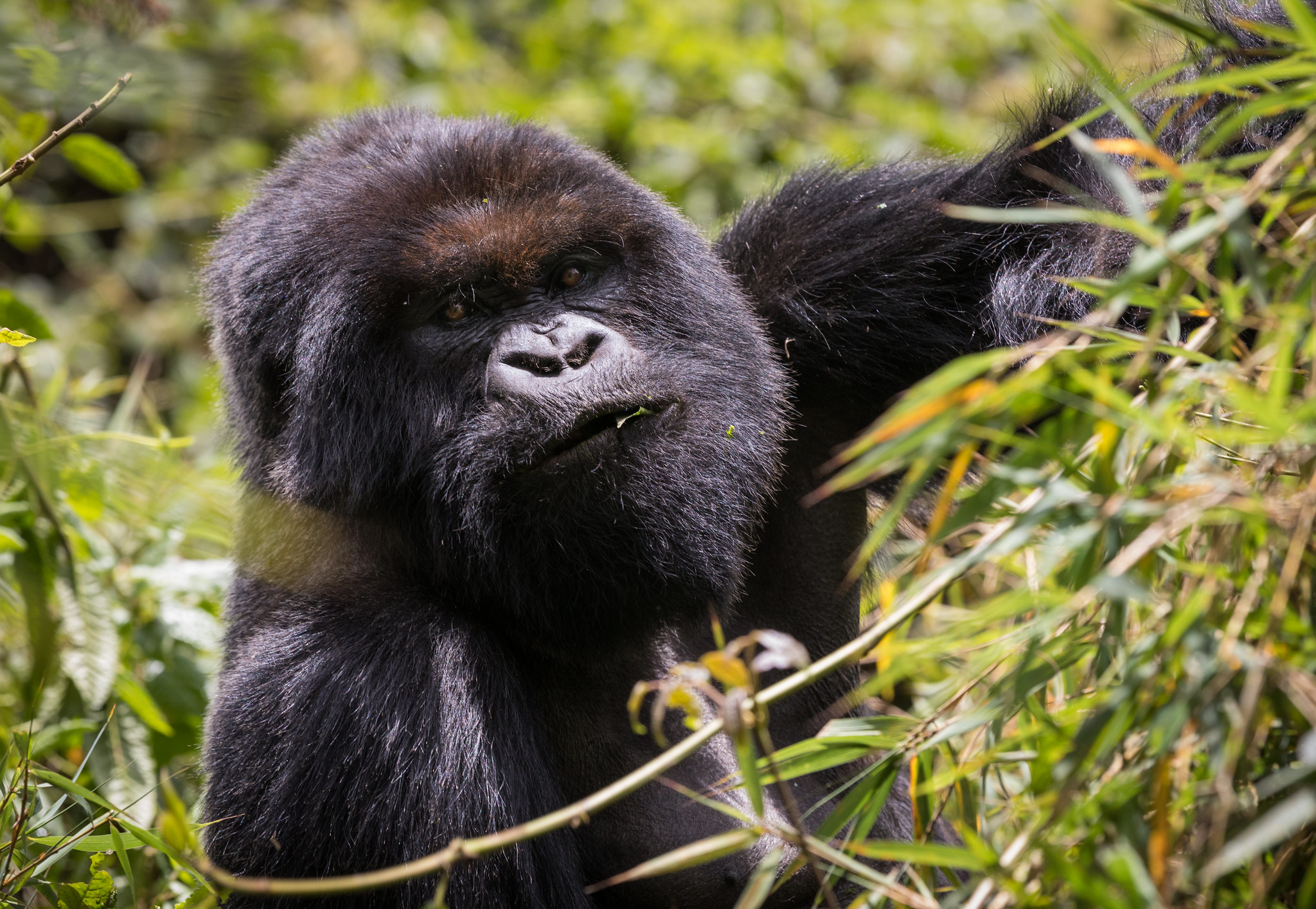
“How much does gorilla trekking cost?” is the first question almost every traveler asks us — and the honest answer is: it depends on five line items, only one of which is fixed. This guide breaks down the real cost of a gorilla safari in 2026, from the permit itself to transport, lodging, tipping, and the smart ways to save without cheapening the experience.
The Five Costs That Make Up a Gorilla Safari
1. The permit (the fixed cost)
The permit is the foundation of your budget. In Uganda, a standard permit costs USD 800 for foreign non-residents — or USD 600 if you trek in the low-season months of April, May, or November under UWA’s 2026 tariff. Rwanda’s permit is USD 1,500 year-round. Uganda’s four-hour Gorilla Habituation Experience sits at the top of the range as it moves from USD 1,500 to USD 1,800. Full details, rules, and booking steps are in our 2026 gorilla permit guide.
2. Getting there
Bwindi Impenetrable National Park is an 8–9 hour scenic drive from Entebbe, so most itineraries budget for a 4×4 safari vehicle with a driver-guide — typically USD 80–120 per day for the vehicle, fuel, and driver, shared between passengers. Two shortcuts change the math: starting from Kigali cuts the drive to Bwindi’s southern sectors to about 4–5 hours (see our 3-day Bwindi trek from Kigali), and domestic flights from Entebbe to airstrips near Bwindi turn a full travel day into a 90-minute hop — the basis of our luxury gorilla flying safari, at roughly USD 250–350 per leg.
3. Accommodation
Lodges near the trailheads span an unusually wide range: budget guesthouses and community camps at USD 40–80 per night, solid mid-range lodges at USD 150–300, and luxury forest lodges from USD 500 to over 1,500 per night. You need a minimum of two nights near the park for one trek — you must sleep close to your assigned sector the night before, since briefings start around 7:30 AM.
4. On-the-ground extras
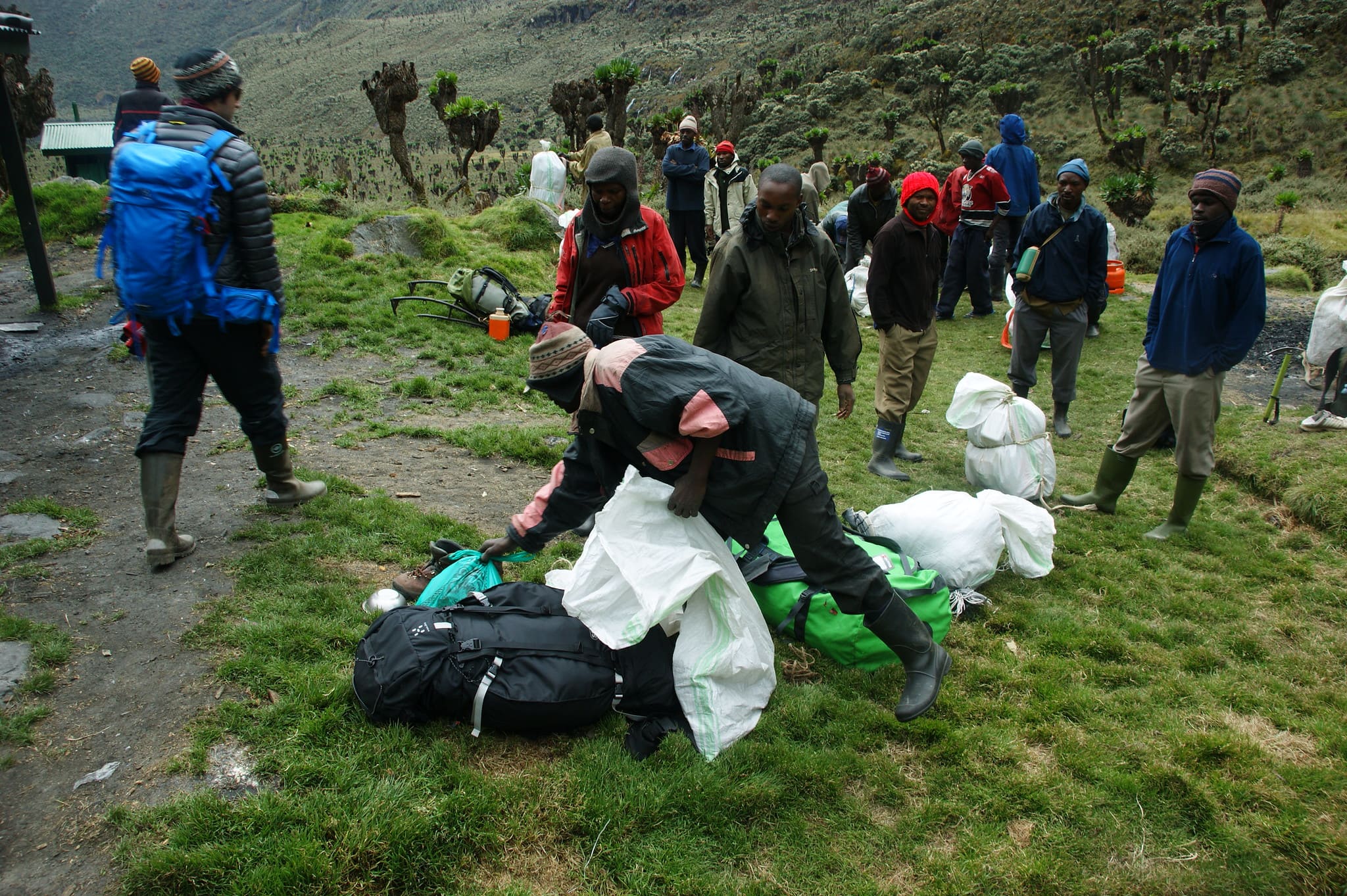
Budget for a porter (USD 15–20) — hire one even if you’re fit; it directly employs the local community and frees you to enjoy the hike — plus tips for your ranger guide and trackers (USD 10–15 each from the group), meals outside your lodge, and drinking water.
5. Visas and insurance
Uganda’s single-entry e-visa is USD 50; the East Africa Tourist Visa (Uganda, Rwanda, and Kenya on one visa) is USD 100 and is the better buy if you’re combining countries. Travel insurance that covers trekking is strongly recommended and typically USD 50–150 for the trip.
What a Complete Trip Actually Costs in 2026
Putting it together, per person, including one permit:
- Budget (shared transport, guesthouses): USD 1,400–1,900 for a 3-day trek — dropping close to USD 1,200 with a low-season permit. Our affordable 3-day gorilla safari is built around this bracket.
- Mid-range (private 4×4, comfortable lodges): USD 2,200–3,200 for 3–4 days.
- Luxury (flights, premium forest lodges): USD 4,500–7,000+ for 3–4 days.
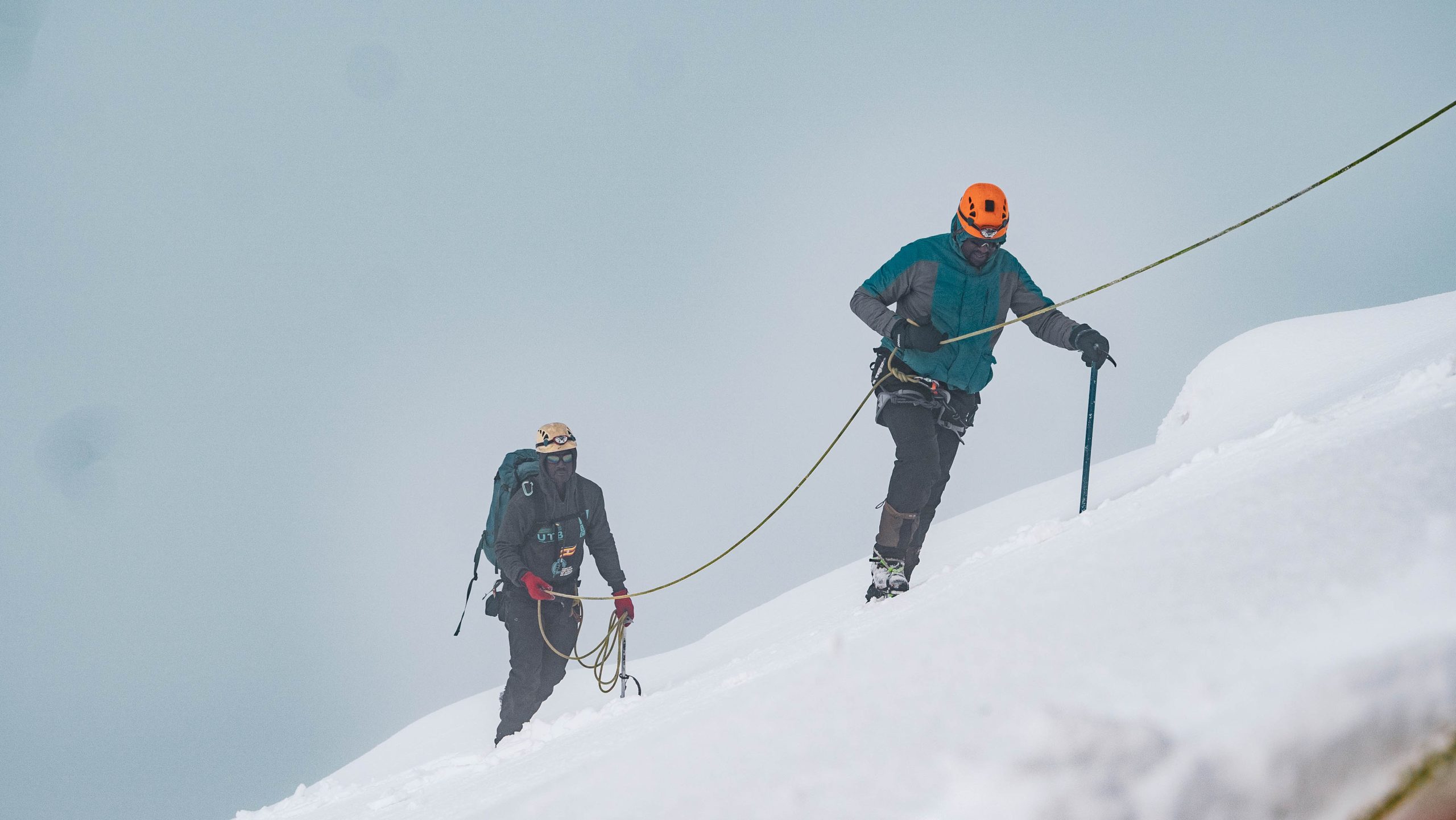
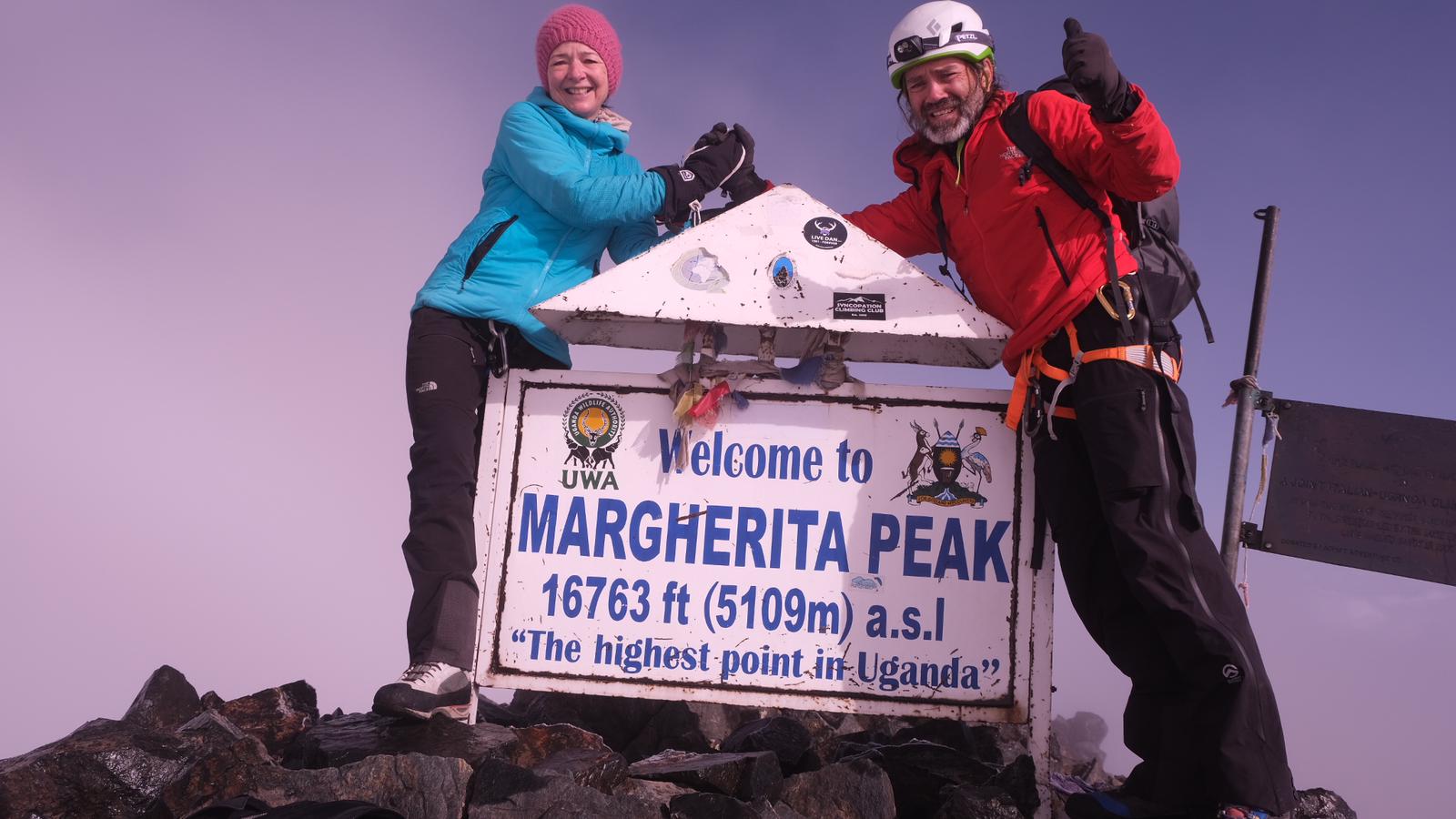
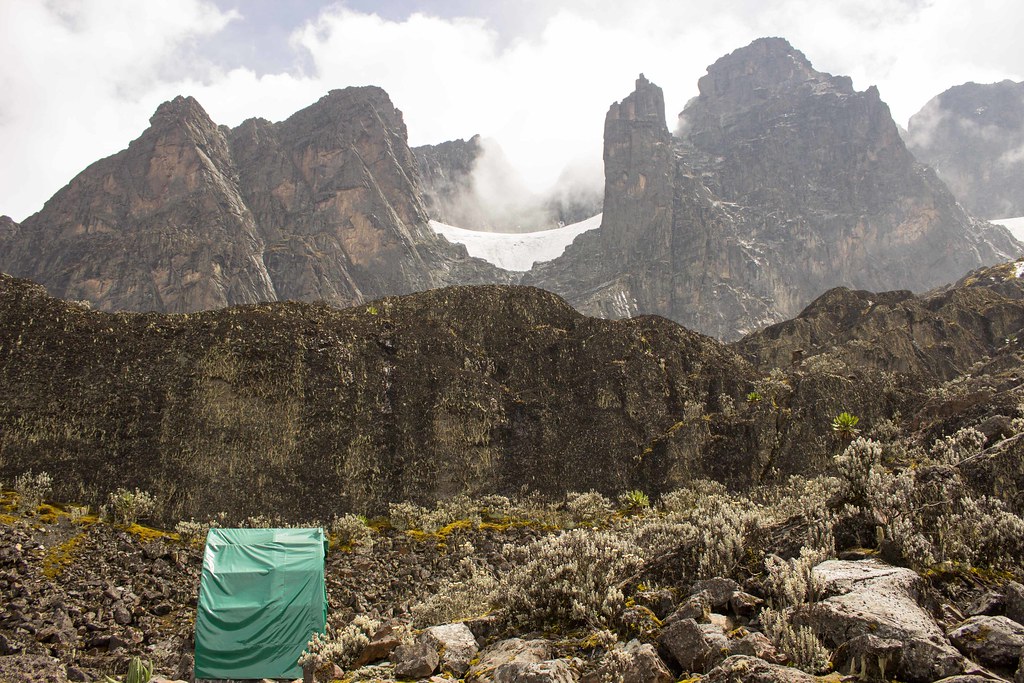
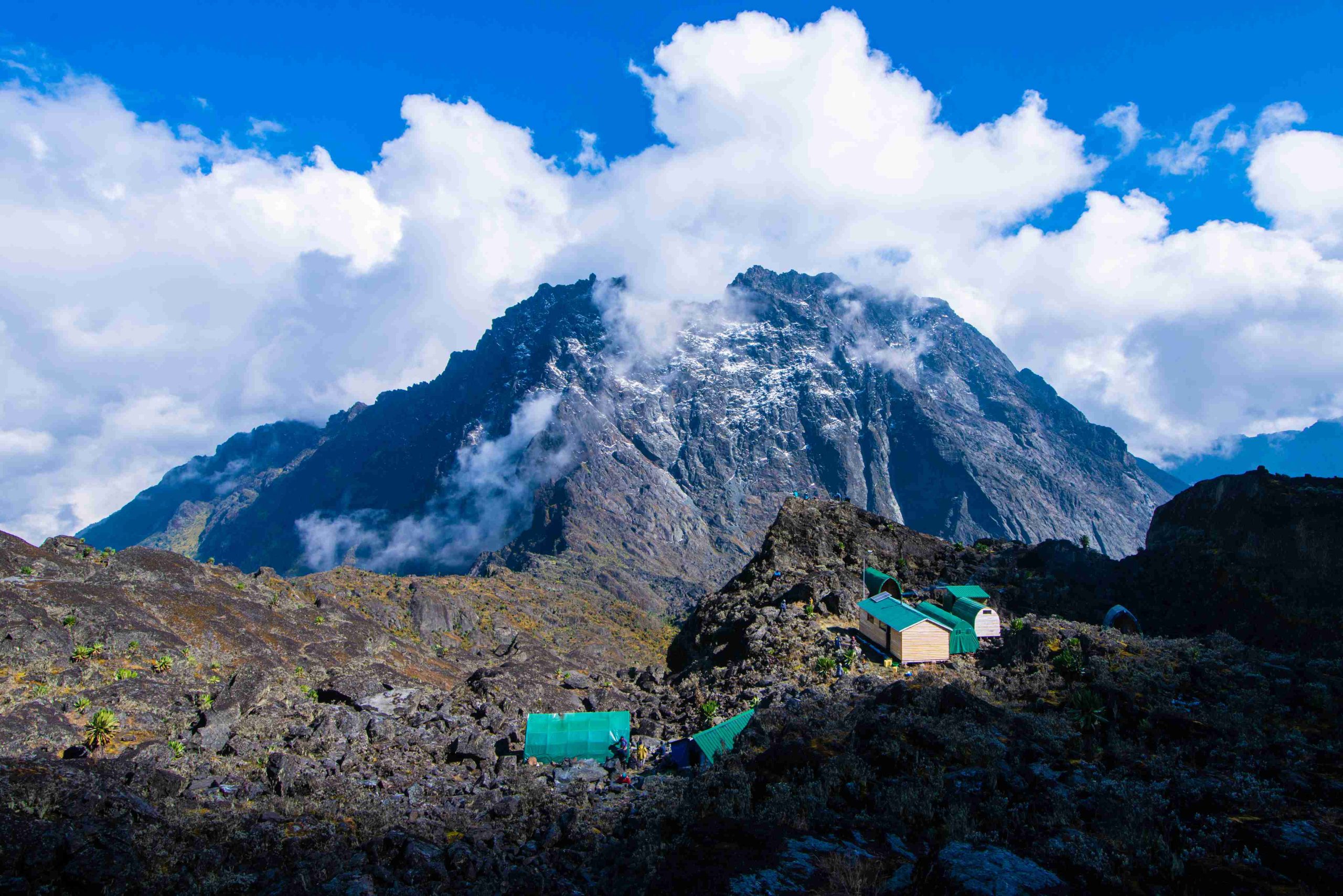
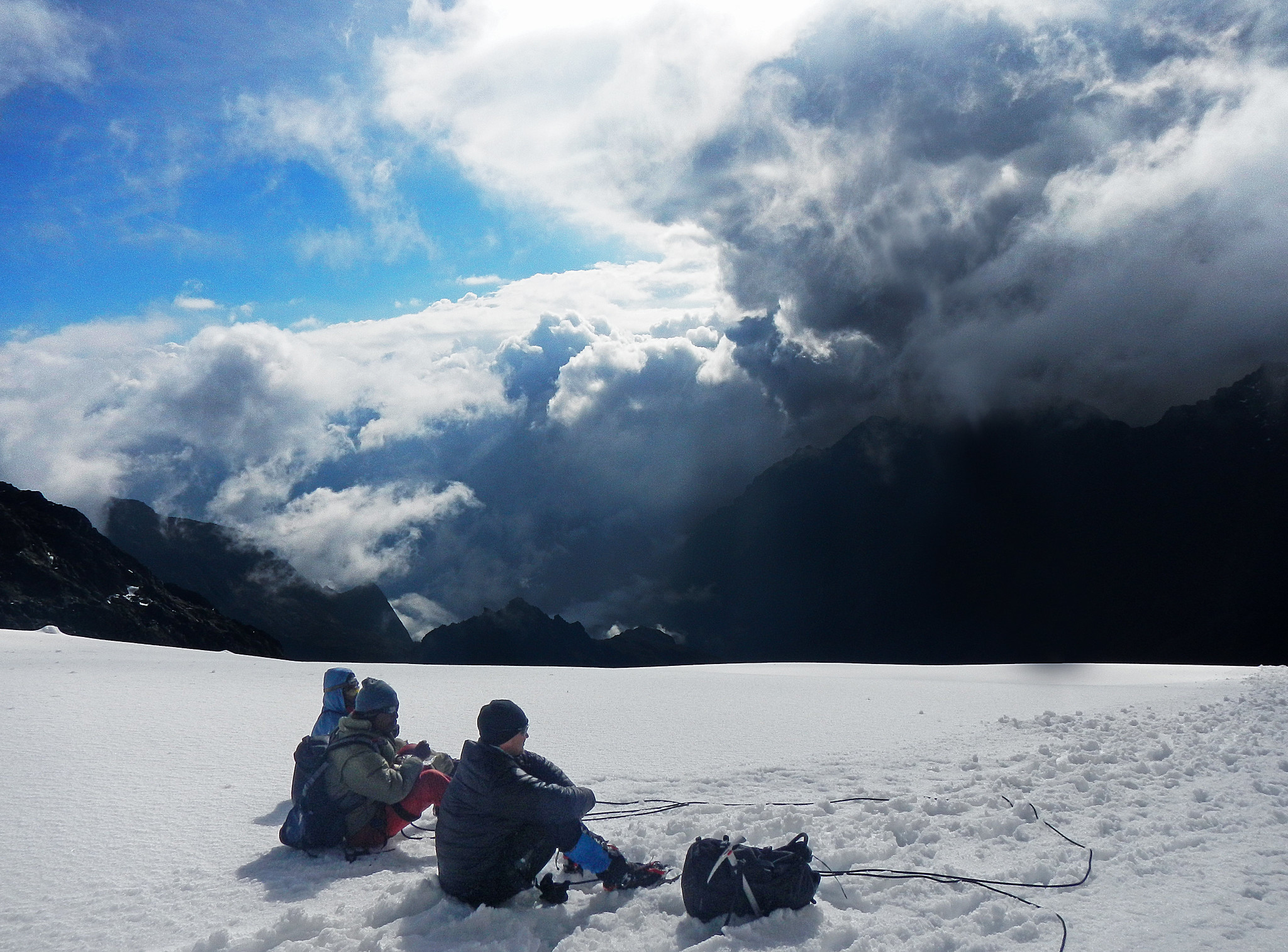
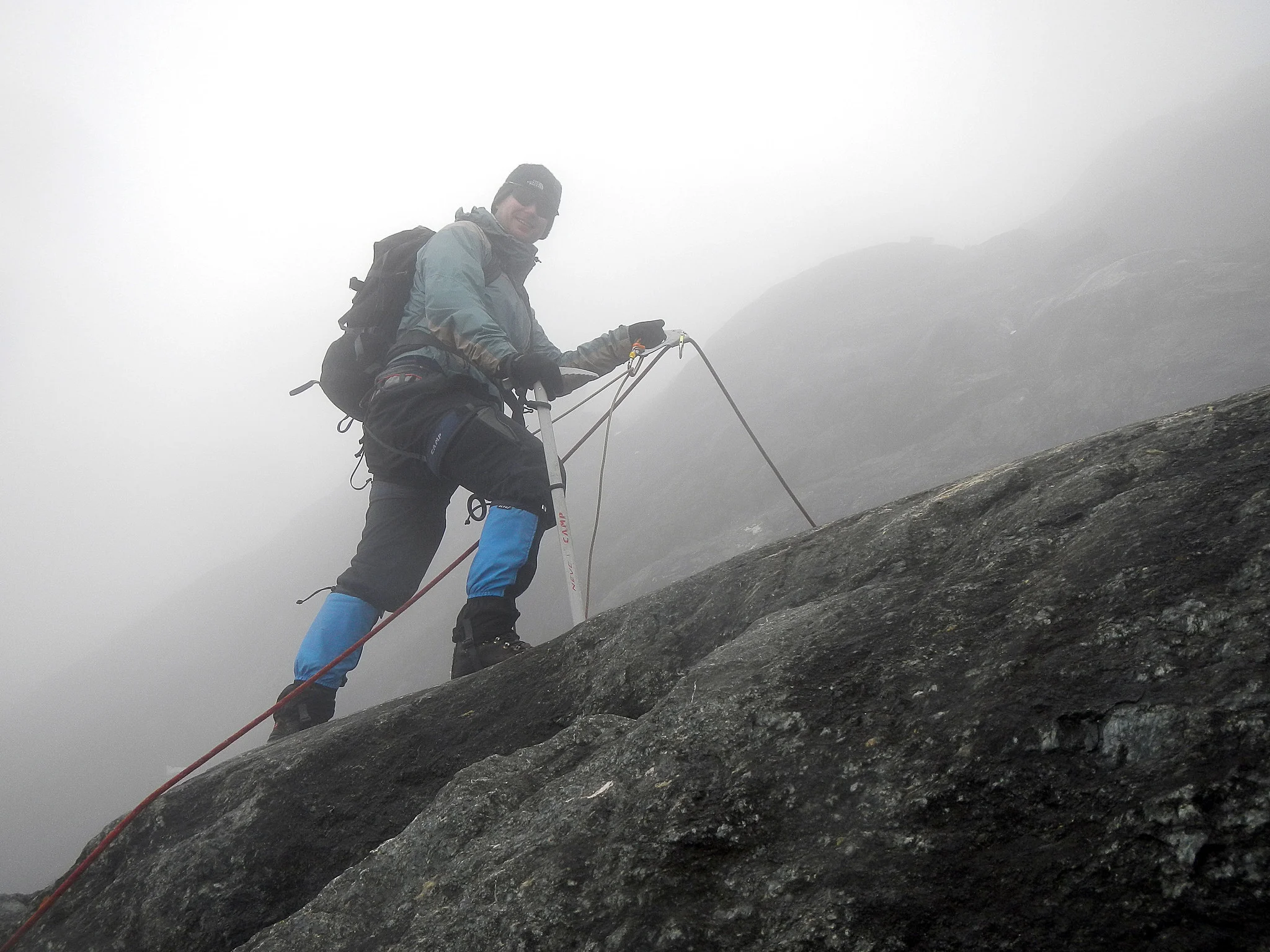
Longer combined itineraries — gorillas plus chimpanzees, savannah game drives, or a Rwenzori trek — spread the fixed transport costs across more days and usually deliver more value per dollar.
Uganda vs Rwanda on Price
The permit gap (USD 800 vs 1,500) makes Uganda the value choice, but Rwanda claws some back on transport: Volcanoes National Park is only 2–3 hours from Kigali airport, so you save a day of driving or the cost of a domestic flight. For a single traveler on a short trip, the total gap often narrows to USD 400–500; for couples and groups sharing vehicle costs, Uganda’s advantage grows.
Five Ways to Trek for Less
First, travel in April, May, or November for the USD 600 permit — just remember those discounted permits can’t be rescheduled. Second, start from Kigali to reach Bwindi’s southern sectors in half the driving time. Third, share vehicle costs by joining a small group departure. Fourth, book lodges in the same sector as your permit — last-minute cross-sector transfers are expensive. Fifth, combine your trek with other activities in one itinerary rather than making two separate trips.
Frequently Asked Questions
Is gorilla trekking worth the cost?
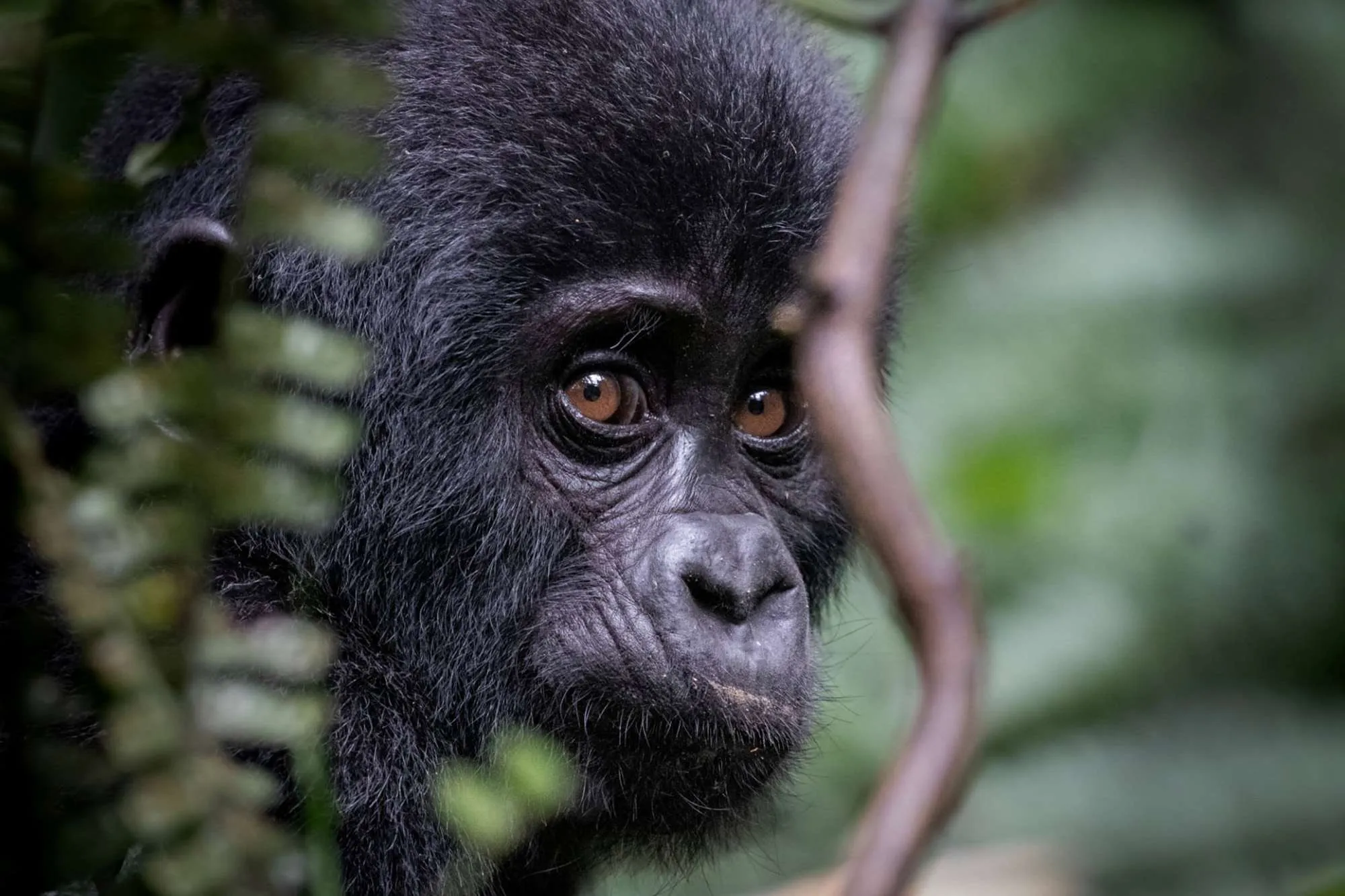
An hour with a wild mountain gorilla family is consistently described by our guests as the single best hour of any safari they’ve taken. Around 20% of your permit fee also funds the communities around the park, turning tourism into conservation.
Can I pay for the permit on arrival?
No. Since March 2026, UWA requires full payment at the time of booking, and permits regularly sell out — booking on arrival is no longer realistic.
Are children’s permits cheaper?
There are no child rates because the minimum trekking age is 15; anyone 15 or older pays the full permit price.
Get an Exact Quote for Your Dates
Prices shift with season, group size, and lodge choice — tell us your dates and budget on our safari planning form and we’ll price your trek precisely, or compare our gorilla trekking packages to see what each bracket includes.
Related Guides