Introduction: Where Water Begins in the Clouds
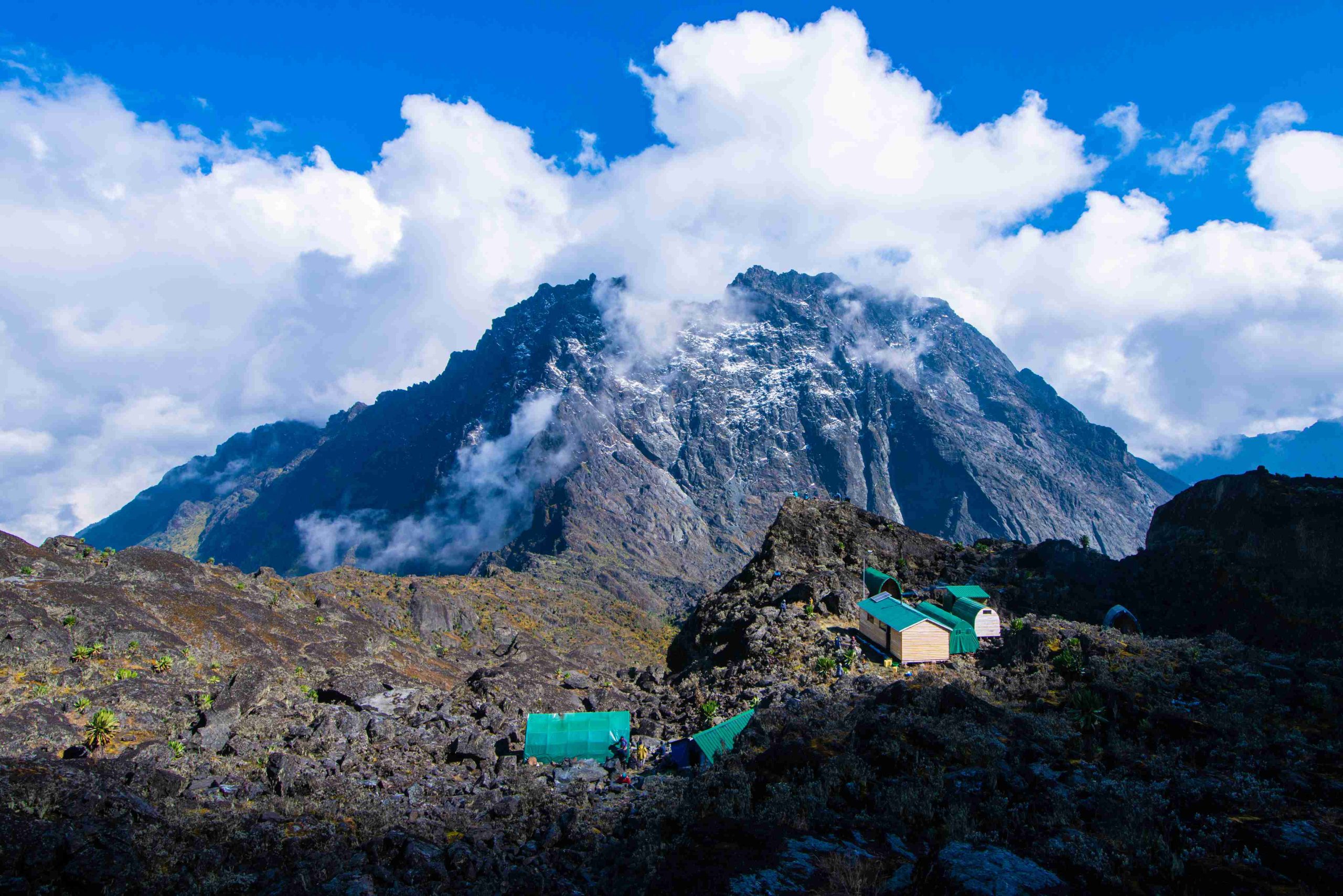
Deep within the towering ranges of the Rwenzori Mountains lies a remarkable network of lakes and rivers that shape both the landscape and life around it. Often called the “Mountains of the Moon,” this region was once described by Ptolemy as a mysterious source of the Nile. Today, it remains one of Africa’s most important water catchment areas, where glaciers, rainfall, and alpine wetlands give birth to countless streams and rivers.
Glacial Origins: The Source of the Waters
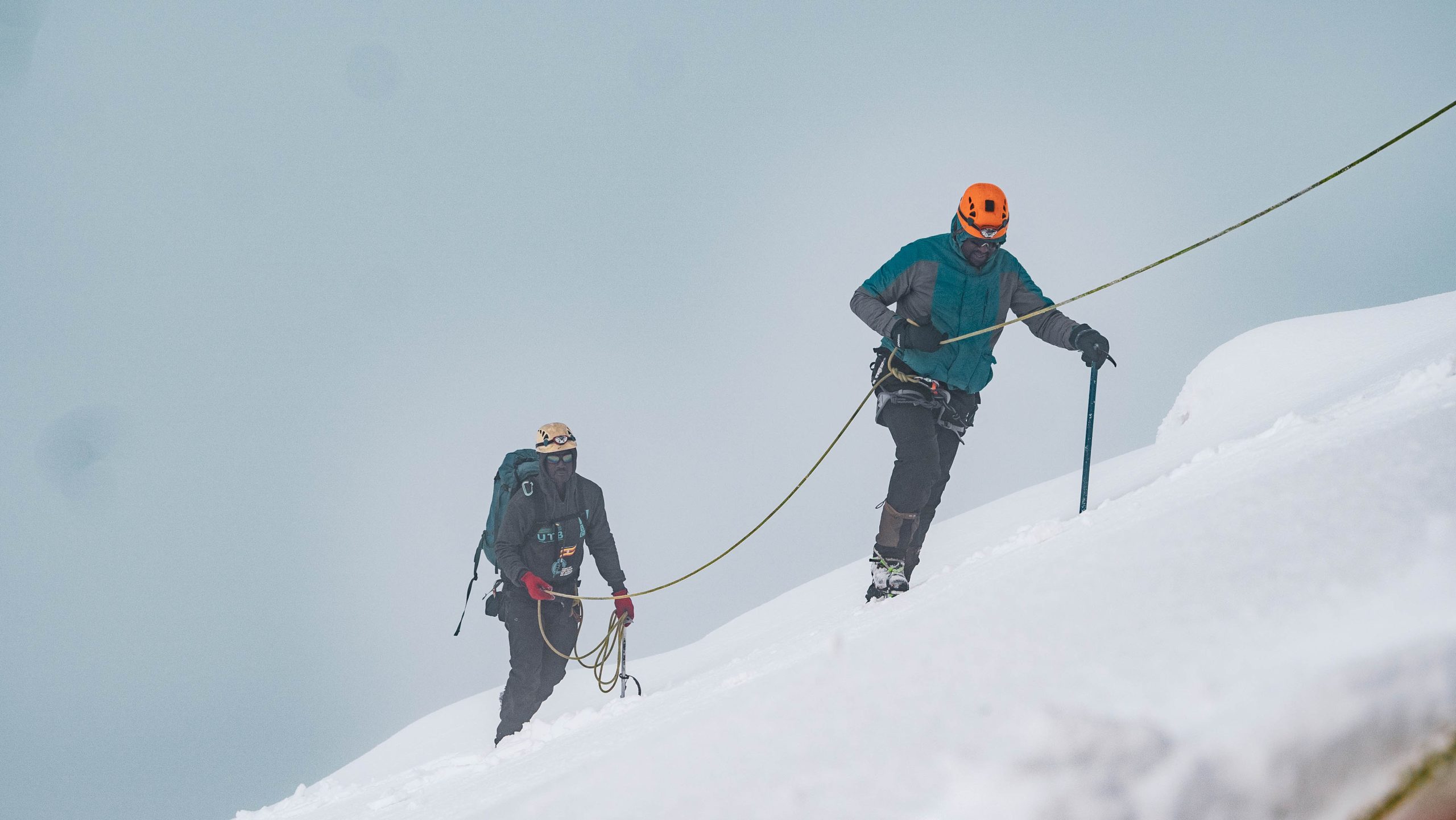
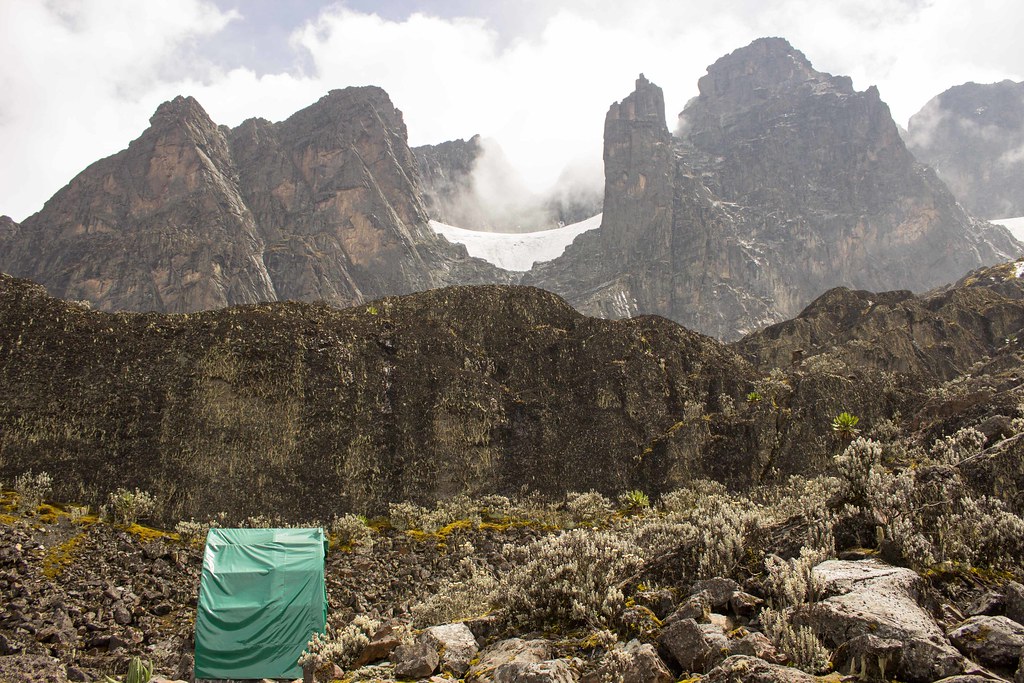
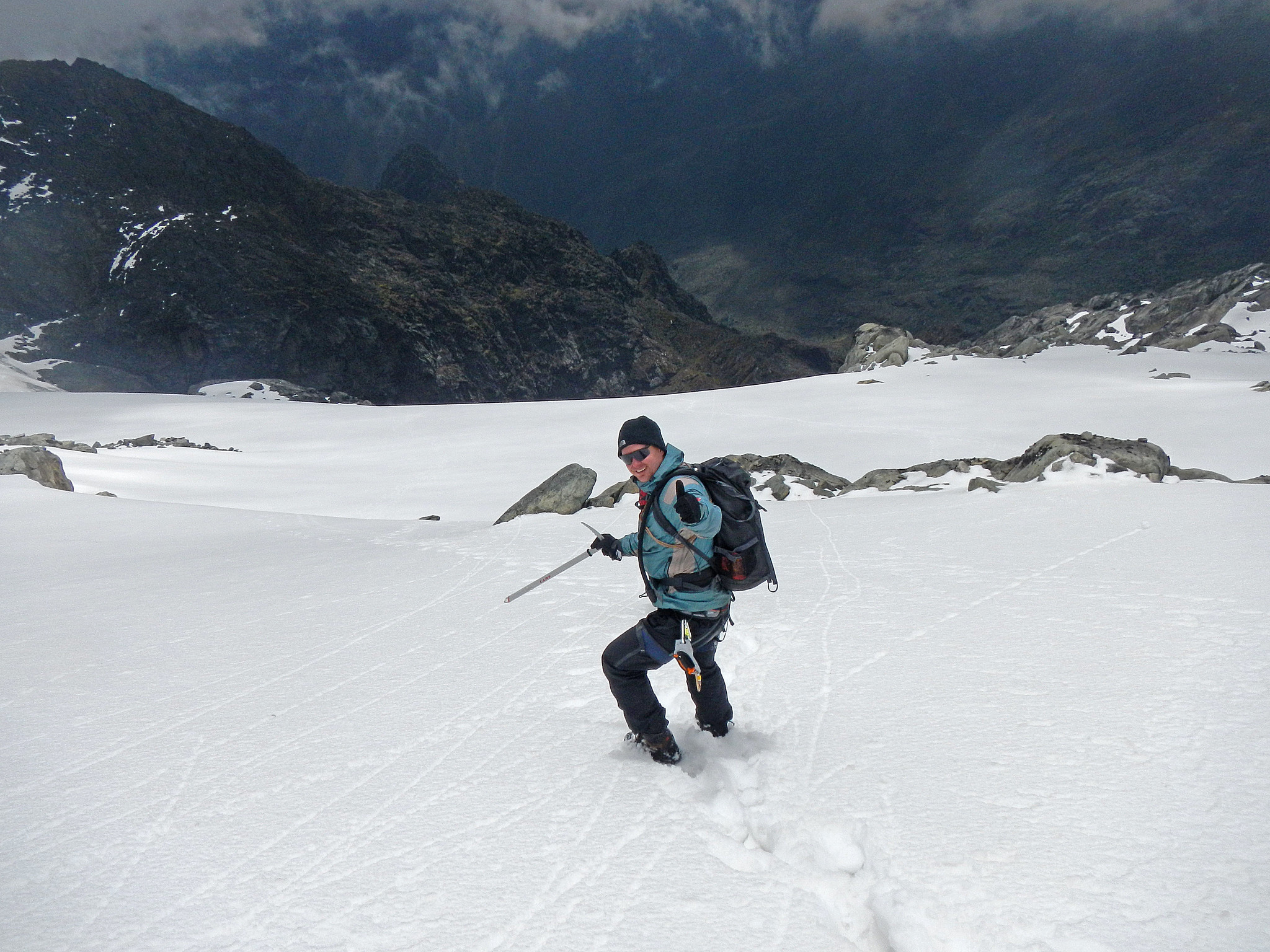
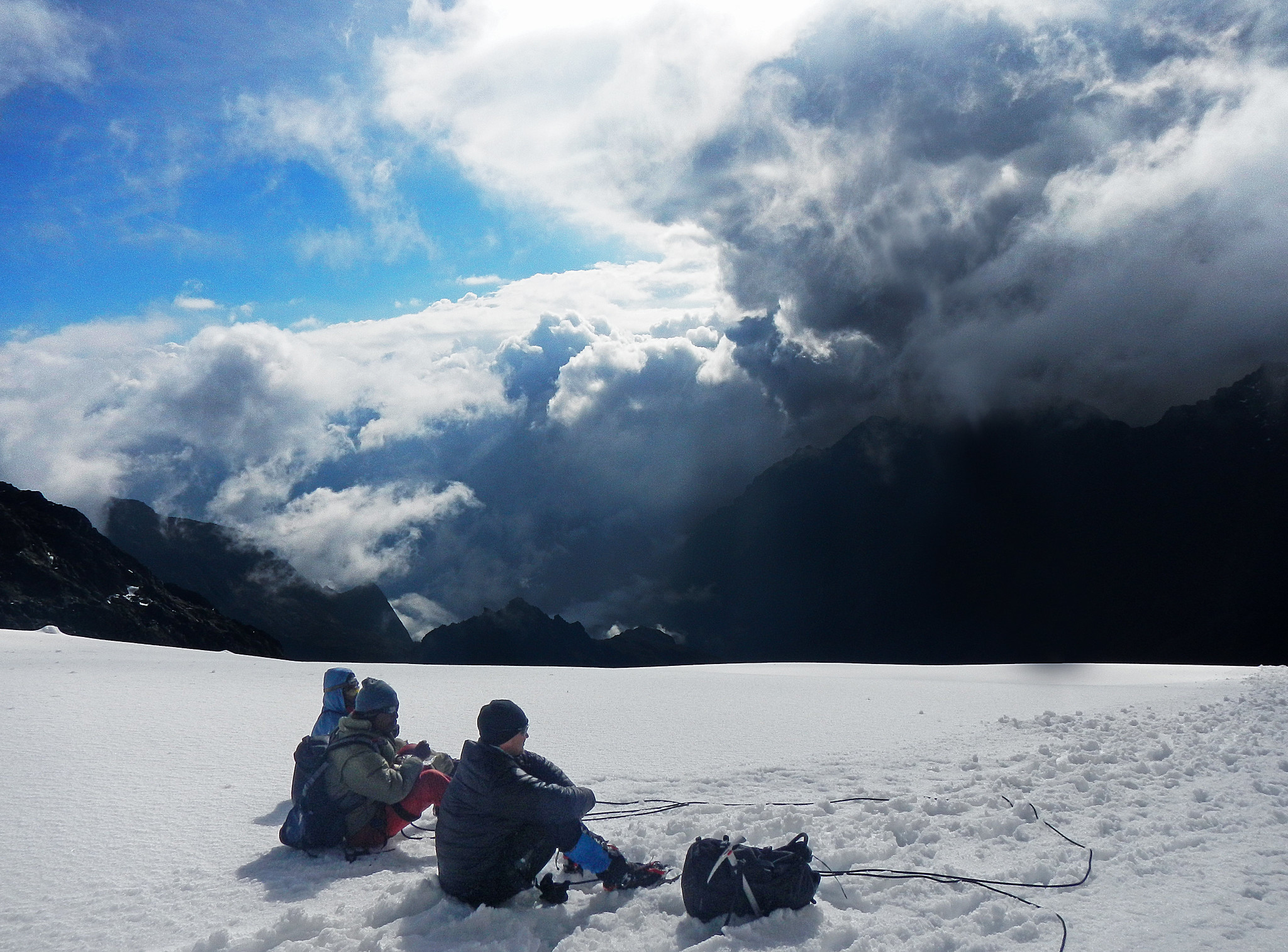
The story of the Rwenzori’s rivers begins high in the mountains, where glaciers and snowcaps slowly melt under the equatorial sun. These icy sources feed small streams that flow through valleys, forming rivers and lakes along the way. Over time, glacial movement carved out basins that filled with water, creating the beautiful alpine lakes seen today.
The Iconic Lakes of the Rwenzoris
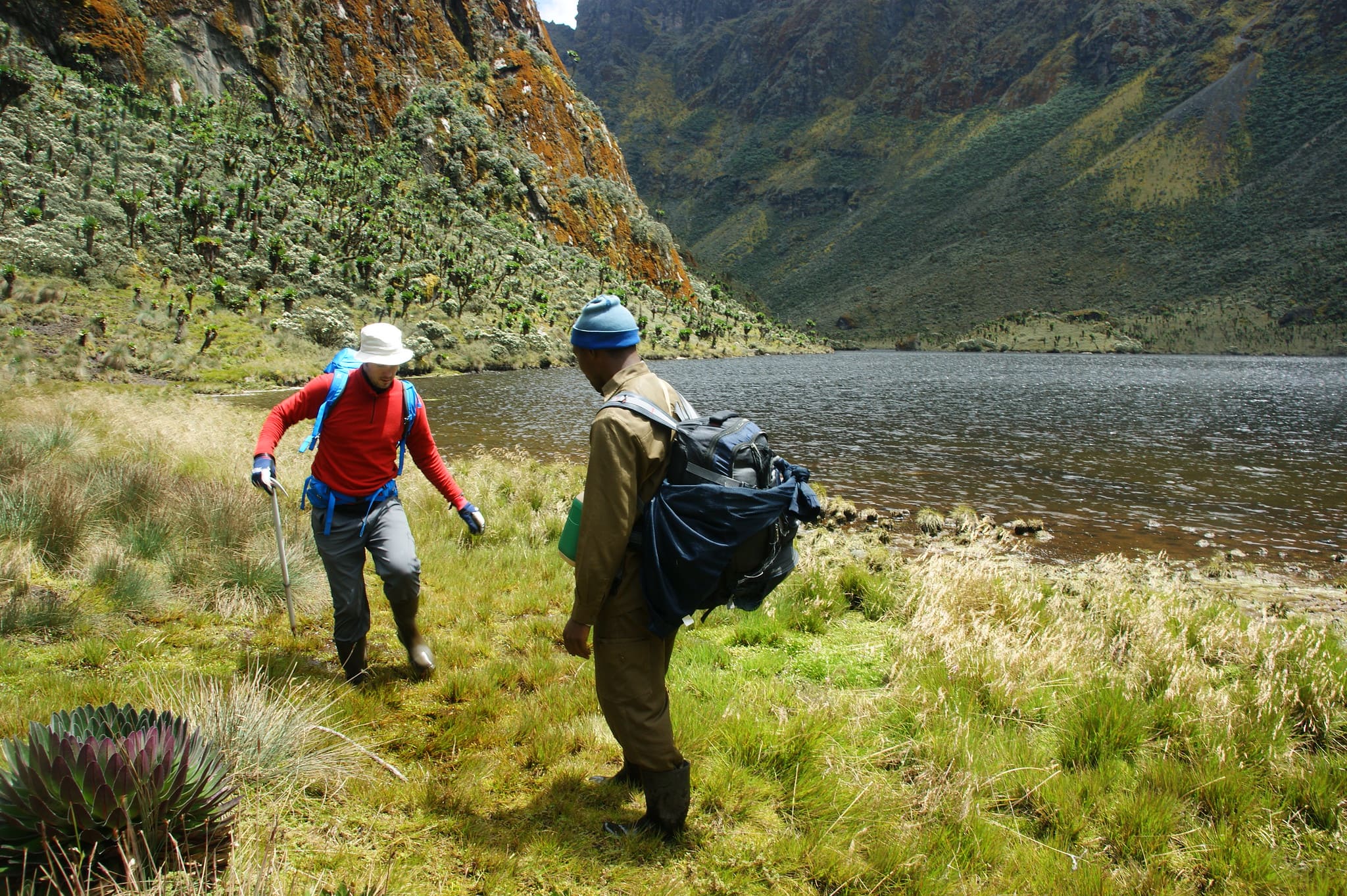
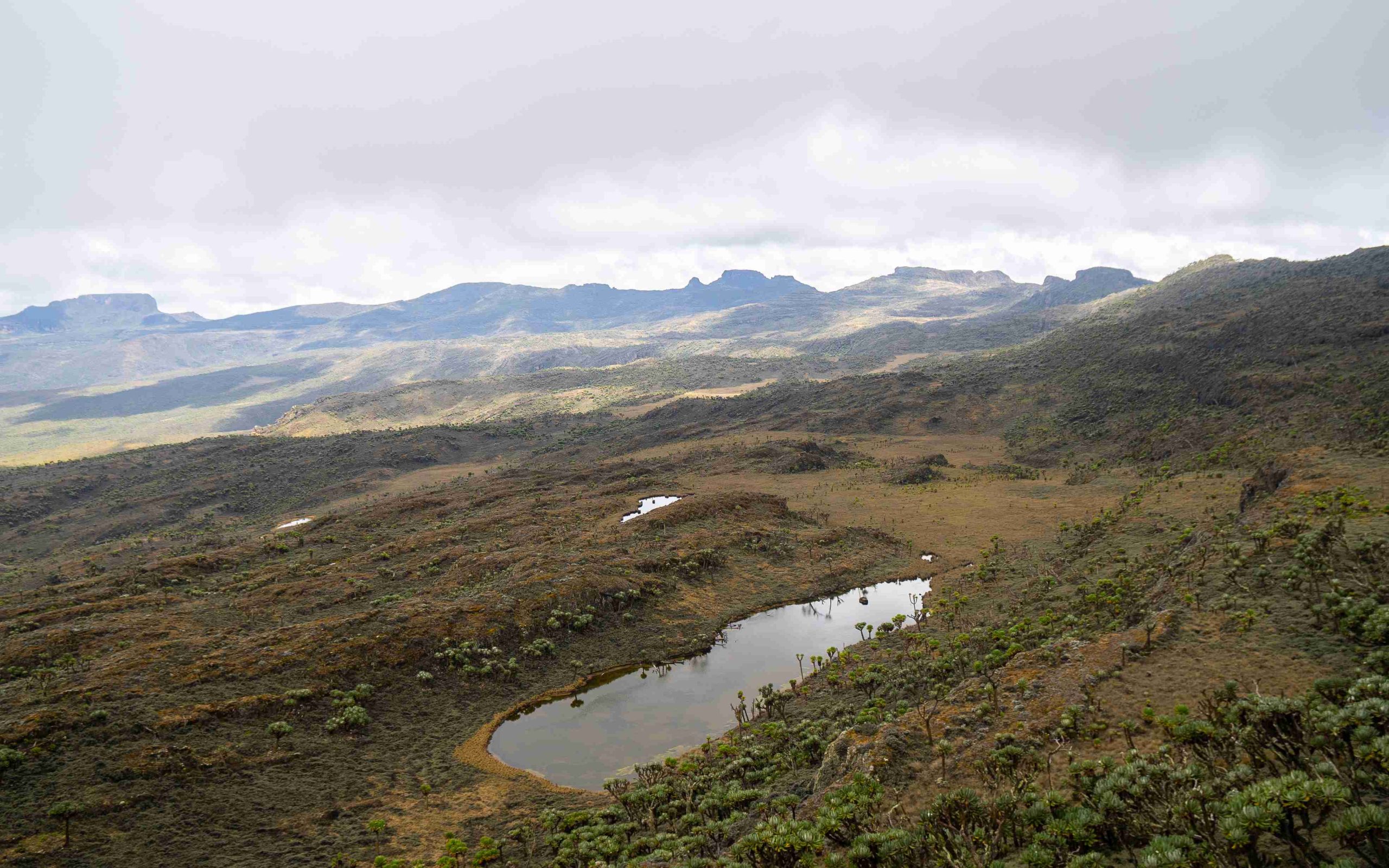
Scattered across the mountains are more than 20 stunning lakes, each shaped by glacial activity and surrounded by unique vegetation.
Lake Bujuku
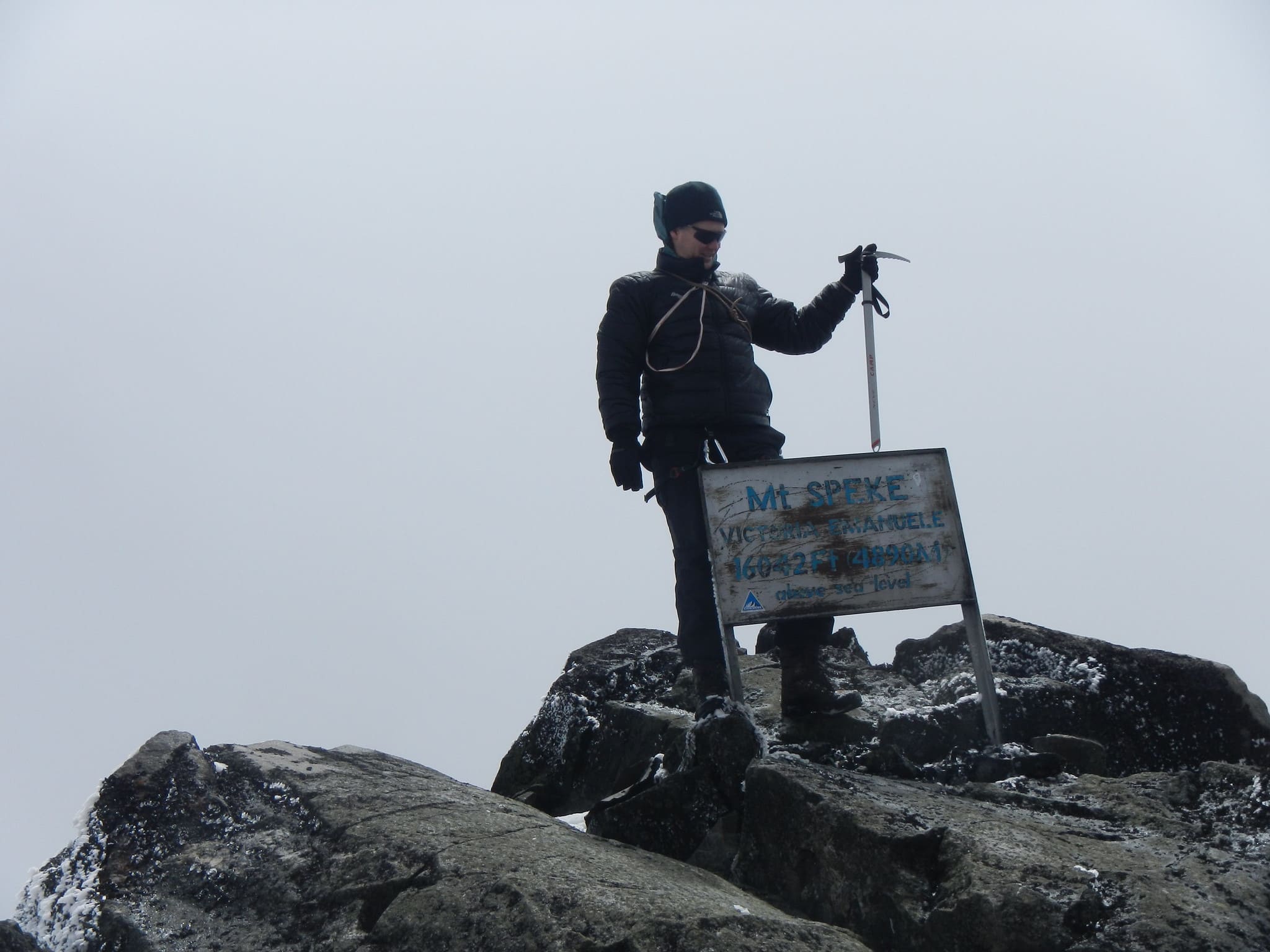
One of the most famous lakes, Lake Bujuku lies in a wide valley beneath Mount Stanley, Mount Speke, and Mount Baker. Its calm, mirror-like surface reflects the peaks and clouds, making it a highlight for trekkers on the Central Circuit.
Lake Mahoma
Located in the forest zone, Lake Mahoma is easier to reach and rich in birdlife. It is perfect for visitors who want a shorter hike while still experiencing the beauty of the Rwenzoris.
Other Hidden Lakes
Along routes like Kilembe, smaller lakes appear quietly among rocks and vegetation. These lakes were formed when glacial debris blocked valleys, allowing water to collect over time.
Rivers that Shape the Land
Flowing out from these lakes are powerful rivers that carry water down to the lowlands, supporting both ecosystems and human life.
River Bujuku and Mubuku River
The River Bujuku begins at Lake Bujuku and flows into the Mubuku River, forming part of a larger drainage system that supports agriculture and local communities.
Nyamwamba River
The Nyamwamba River flows through Kasese and eventually drains into Lake George. It plays an important role in farming and daily life, though it can also cause flooding during heavy rains.
Other Important Rivers
Rivers such as Nyamugasani, Rwimi, Lamya, and Mpanga extend the reach of the Rwenzori waters. Many of these rivers eventually connect to larger water systems, contributing to the Nile Basin.
Importance of the Water Systems
The lakes and rivers of the Rwenzoris are not just beautiful—they are essential. They provide water for wildlife, support rare plant species, and sustain farming communities in western Uganda. These waterways also help regulate the climate and maintain the delicate balance of this mountain ecosystem.
A Unique Experience for Travelers
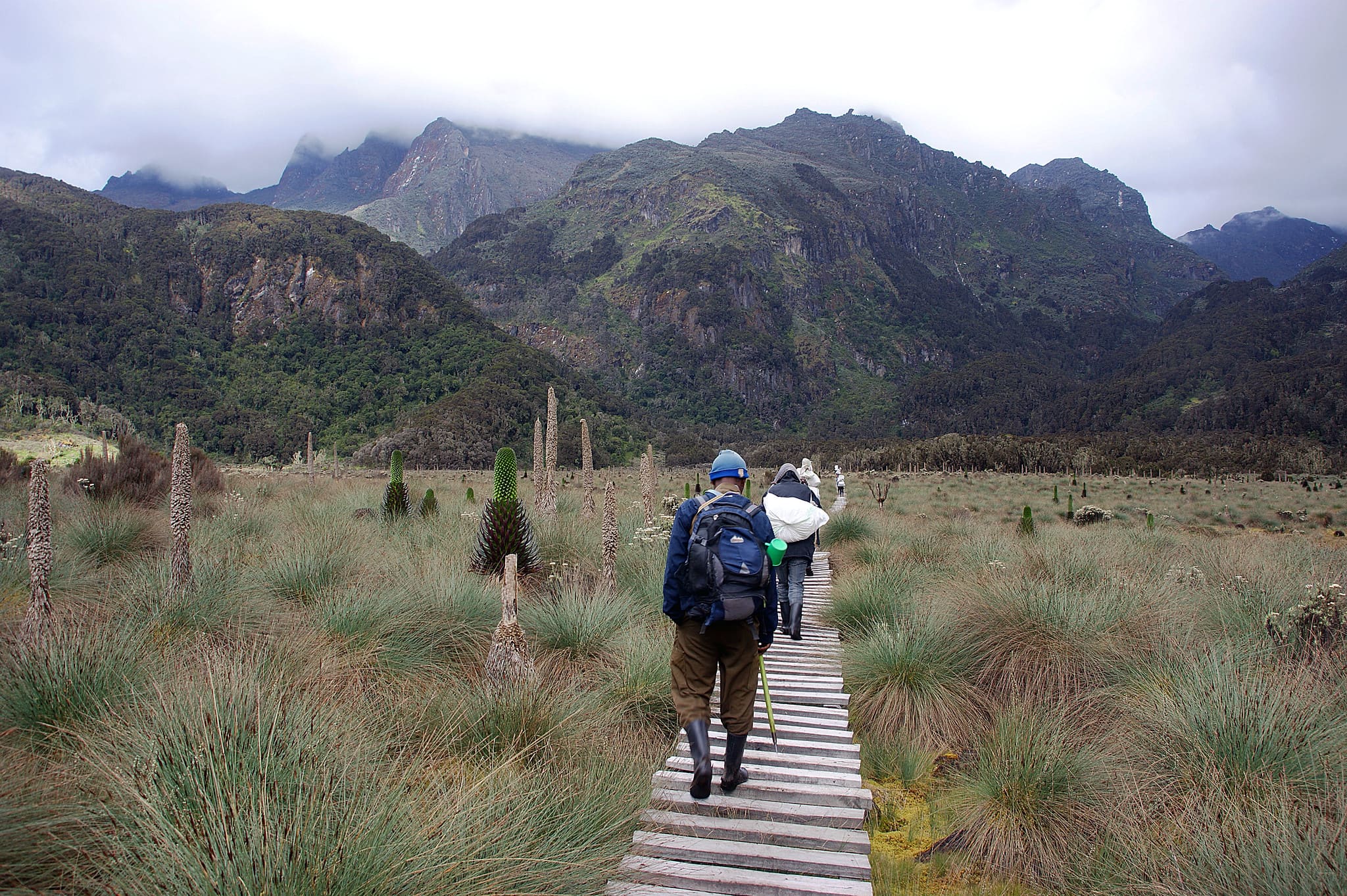
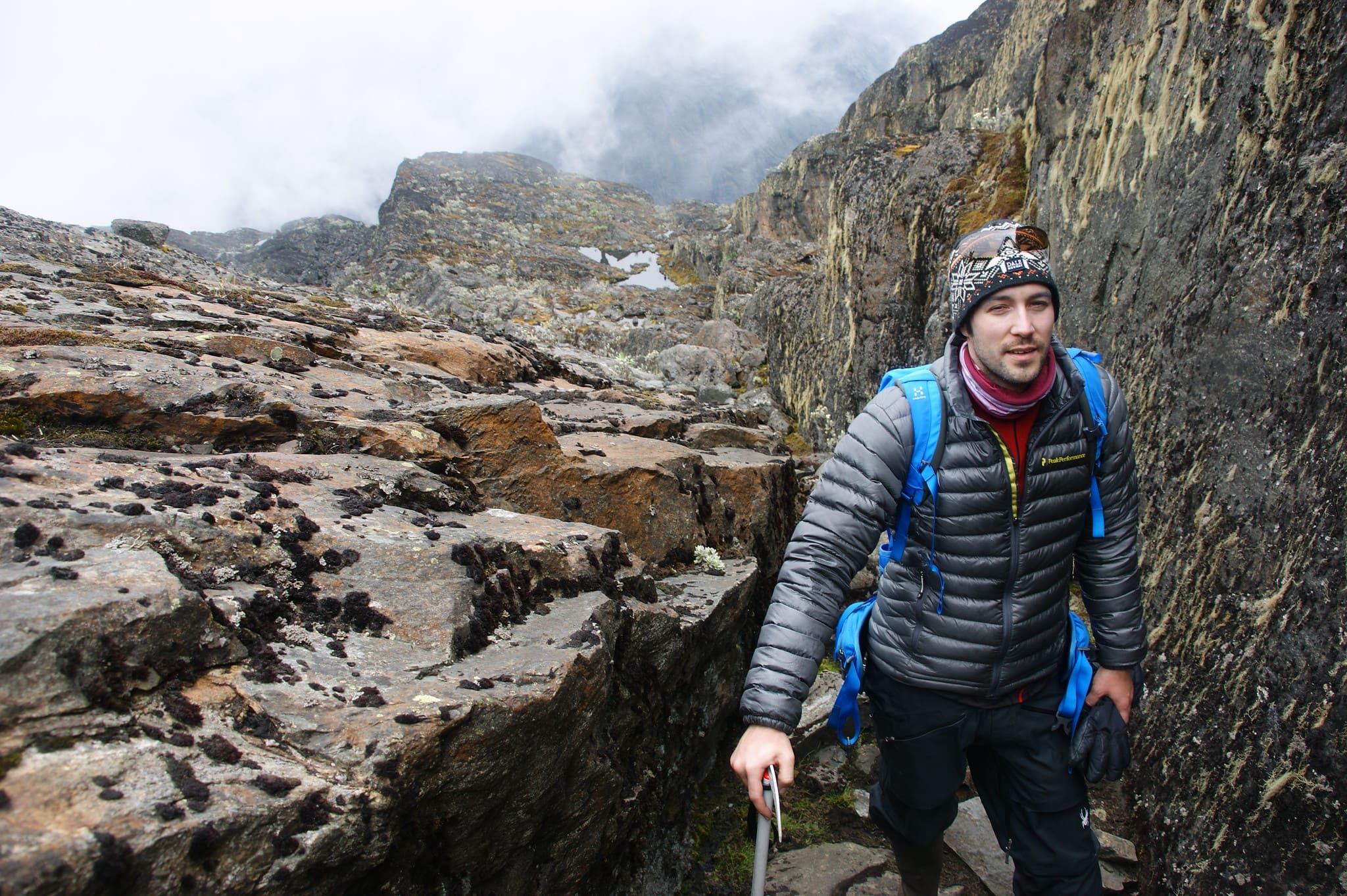
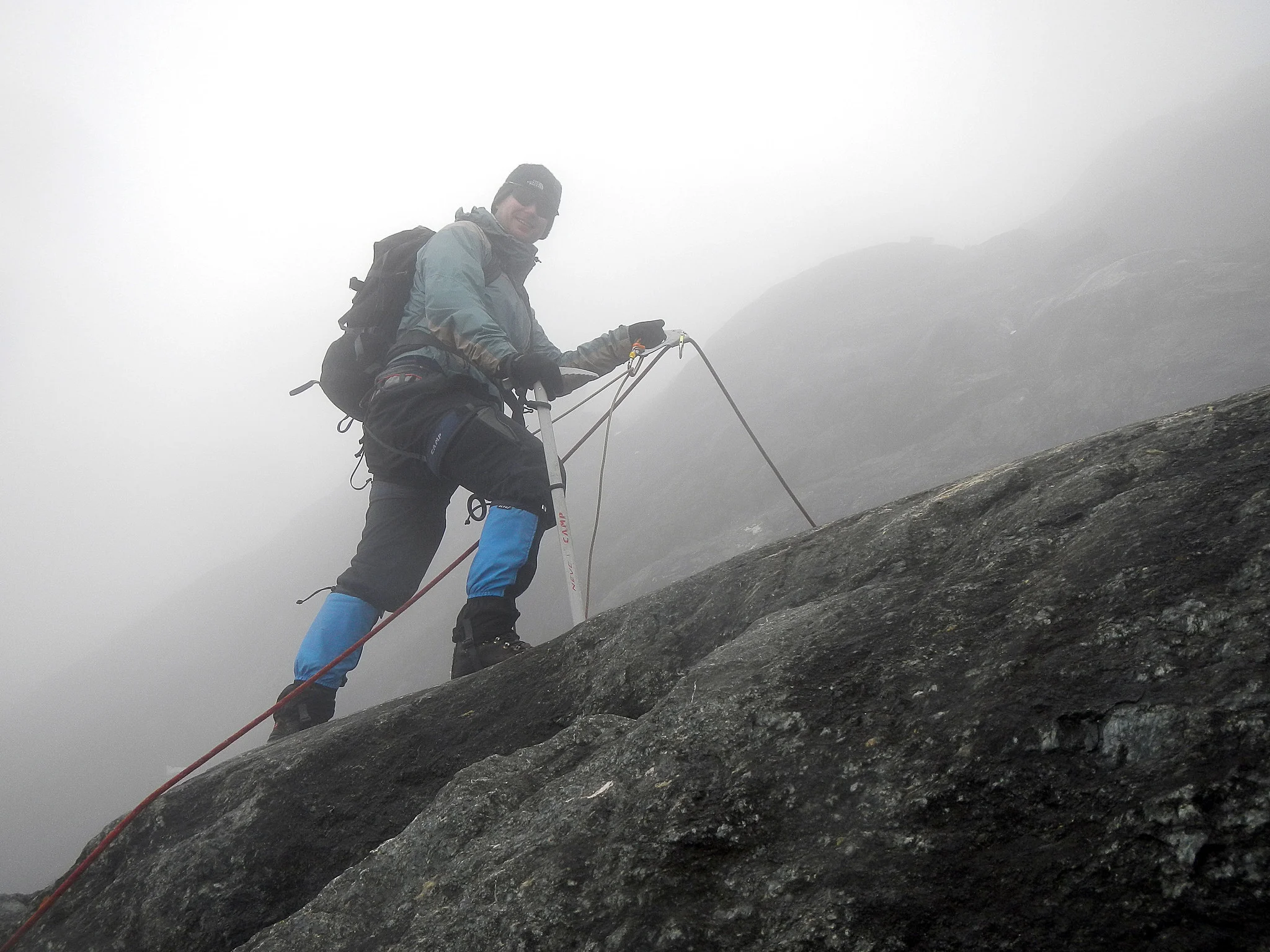
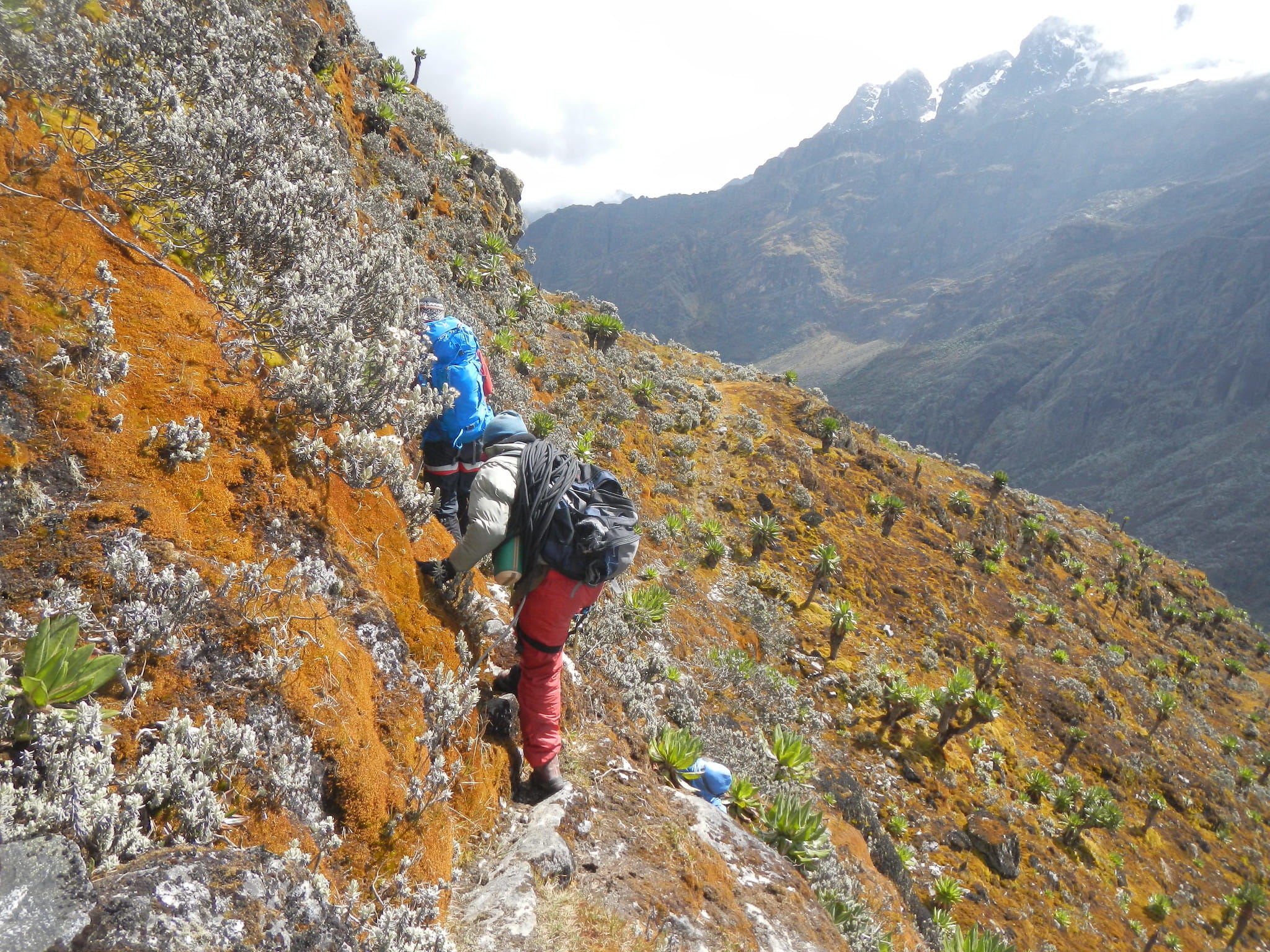
Exploring the lakes and rivers of the Rwenzoris is a truly unforgettable experience. Trekkers cross wooden bridges, walk beside rushing streams, and discover peaceful lakes hidden in the mountains. The sound of flowing water, combined with misty views and fresh air, creates a deep connection to nature.
With In Motion Gorilla Safaris, visitors can experience these natural wonders safely and comfortably. Whether trekking to Lake Bujuku or exploring forest trails near Lake Mahoma, every journey reveals the magic of the Rwenzoris.
Conclusion: Nature’s Lifeline in the Mountains
From glacial lakes high in the clouds to rivers flowing into the valleys, the waterways of the Rwenzoris connect the mountains to the wider world. They are a lifeline for both nature and people, making the park one of Africa’s most valuable ecosystems.
Related Guides