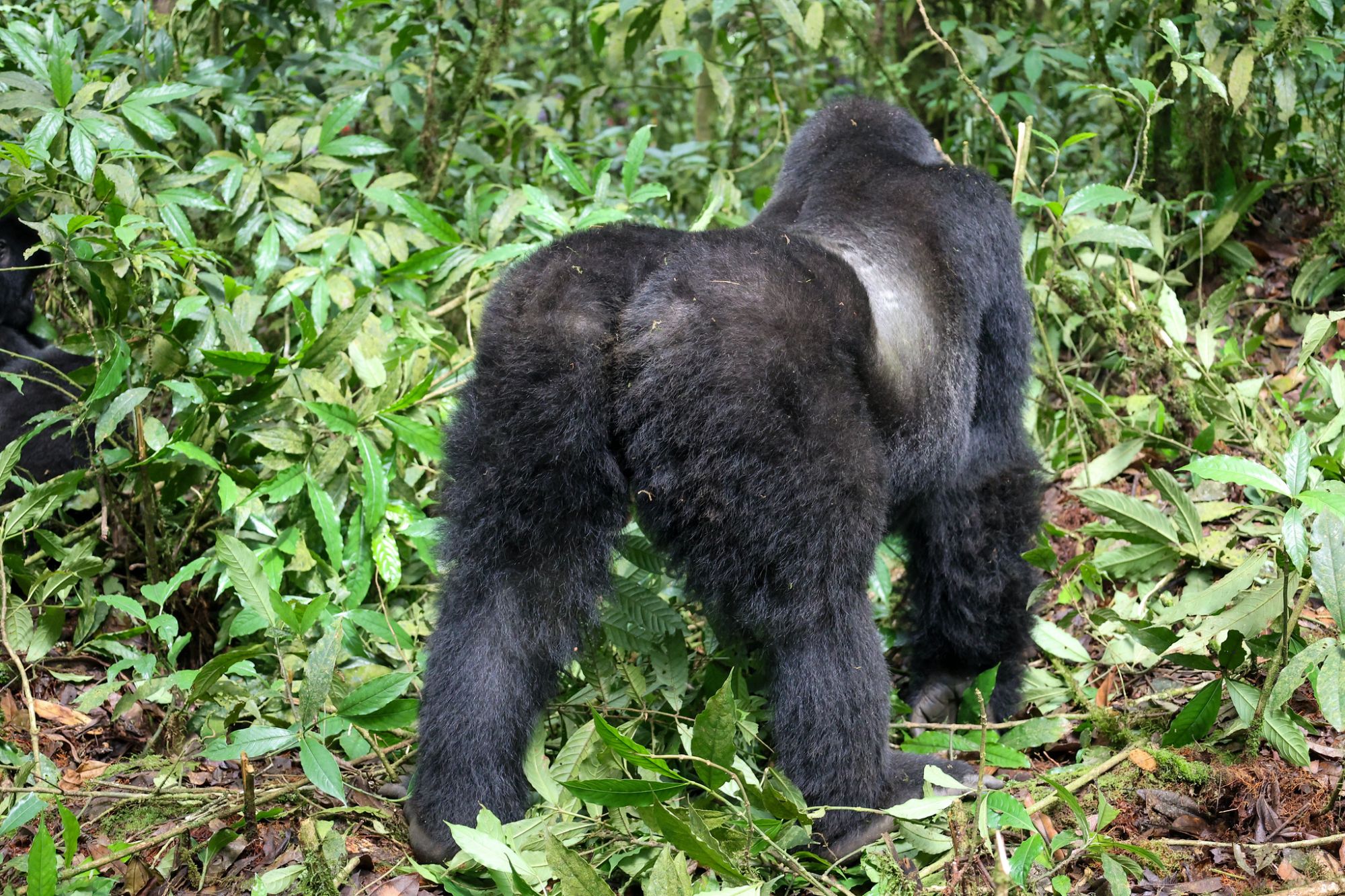
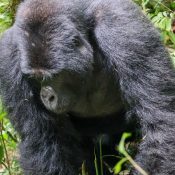
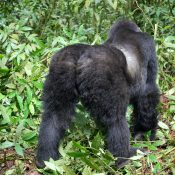
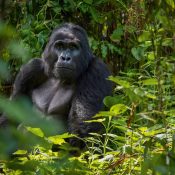
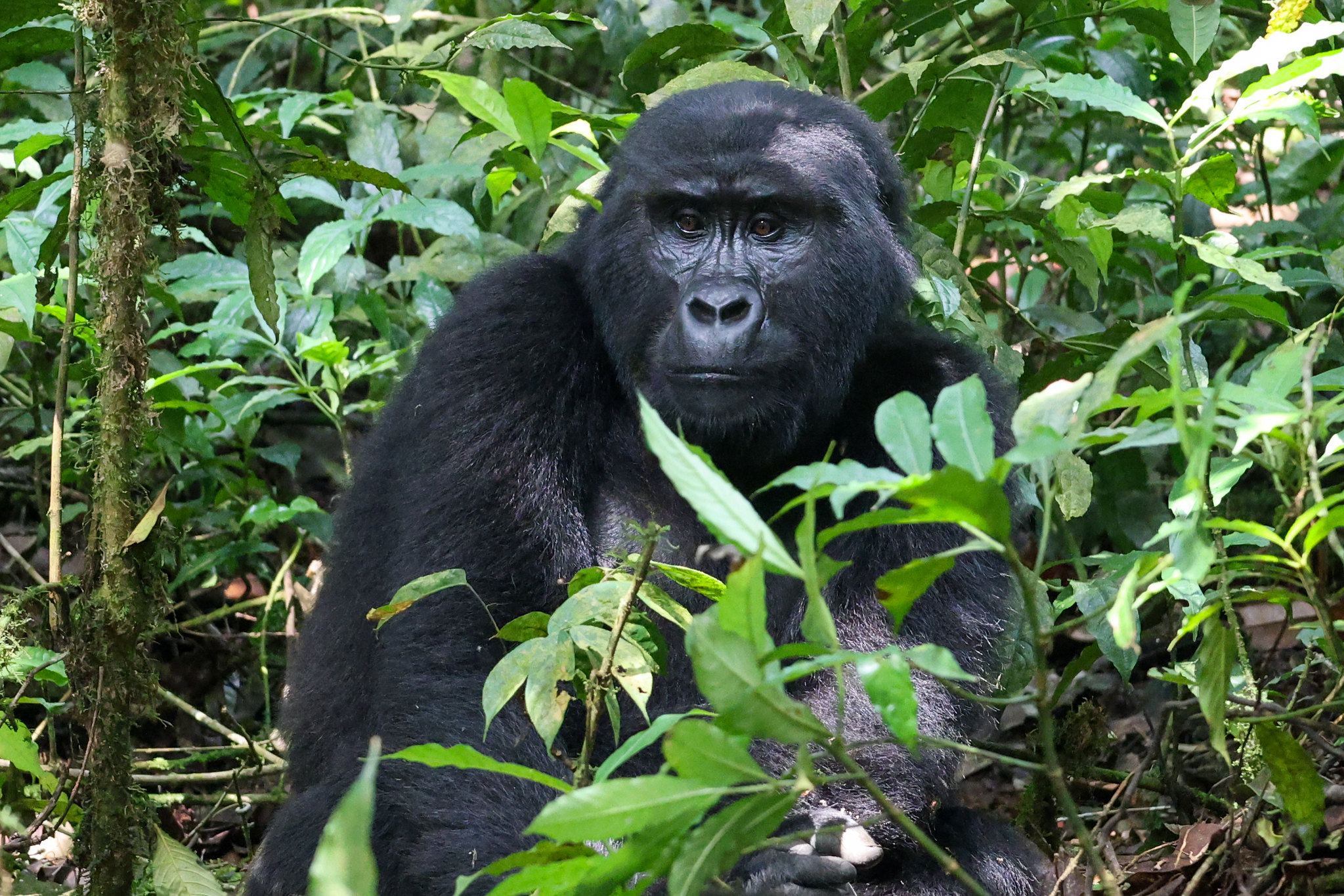
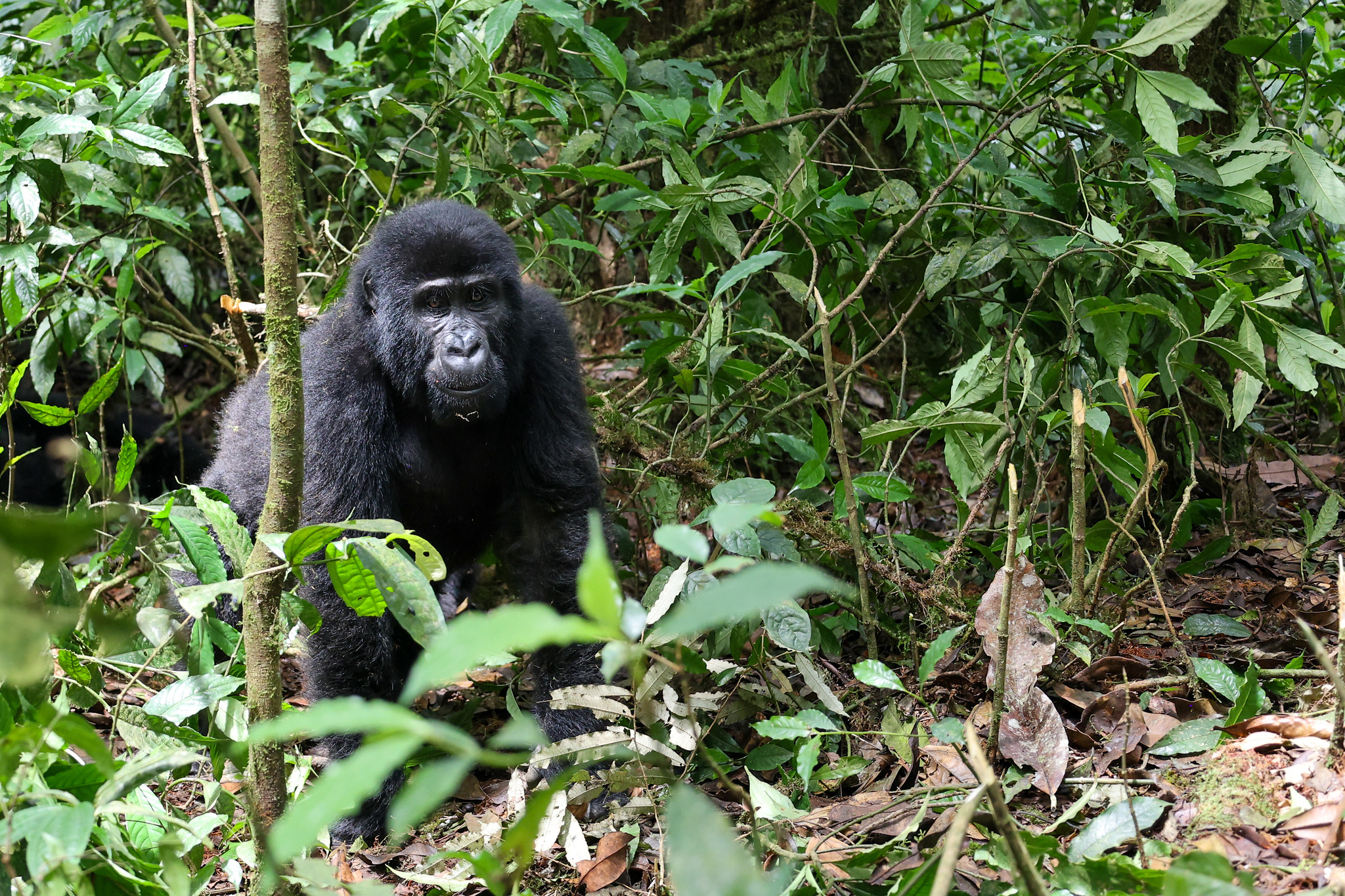
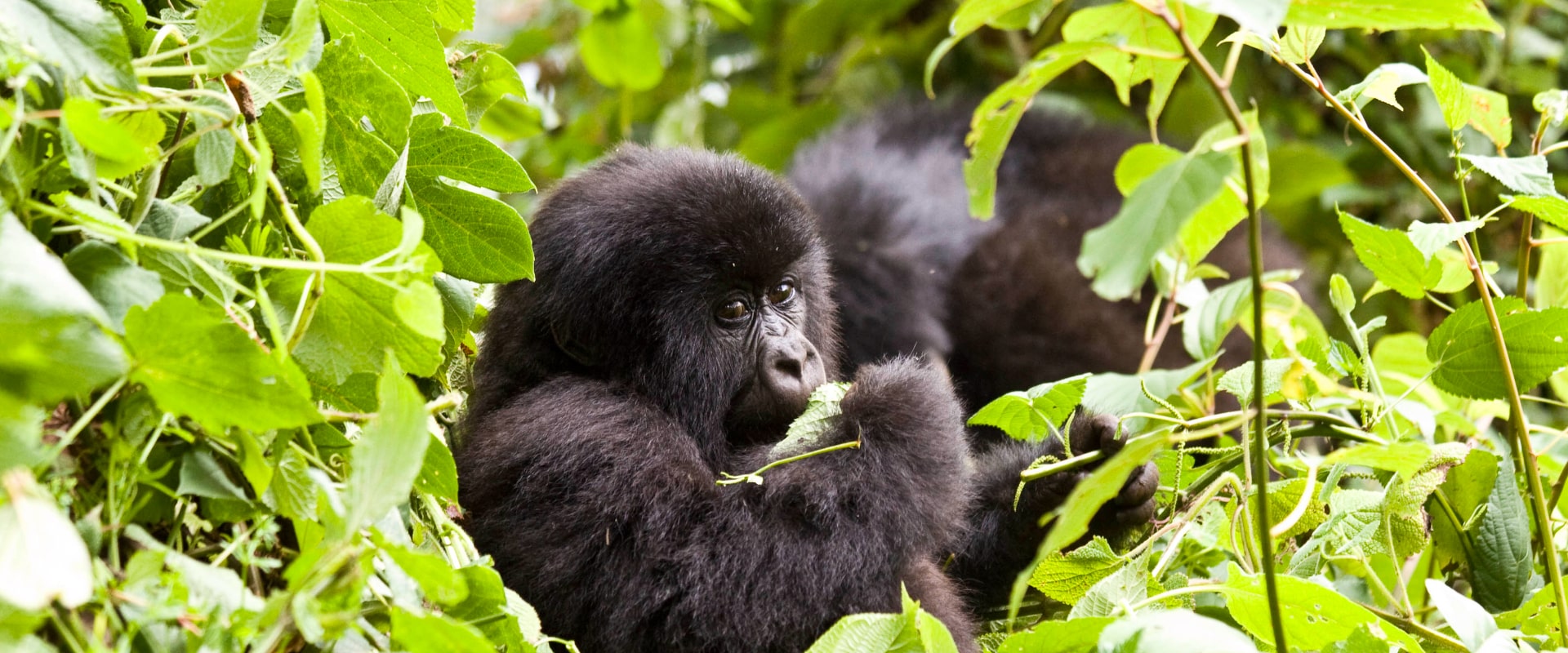
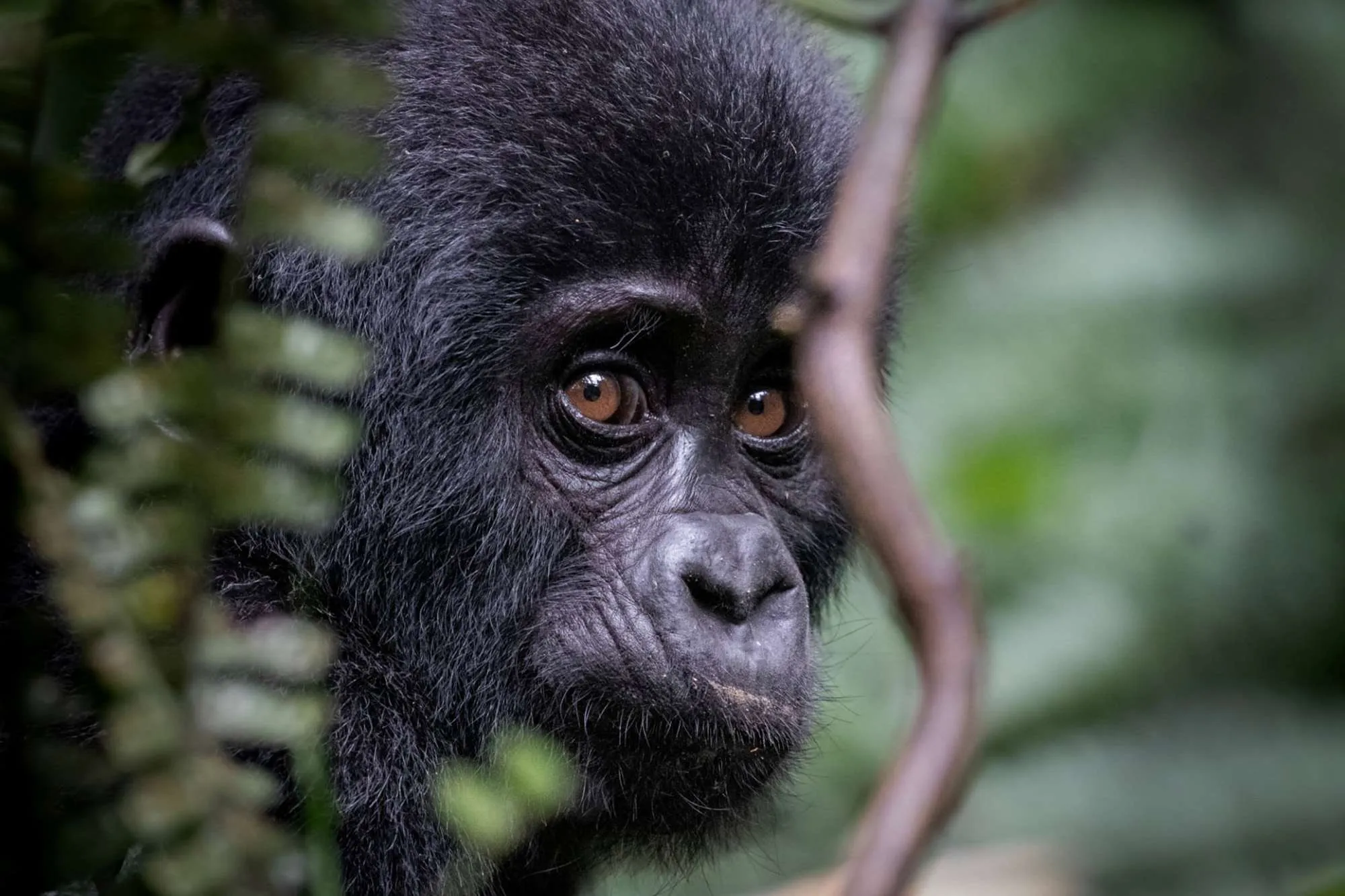
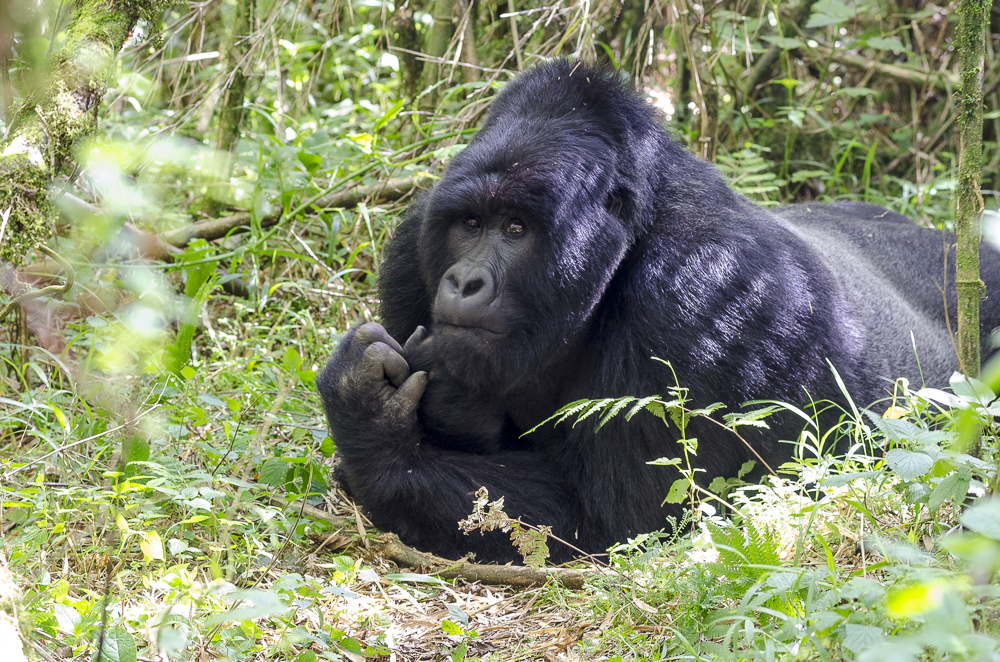
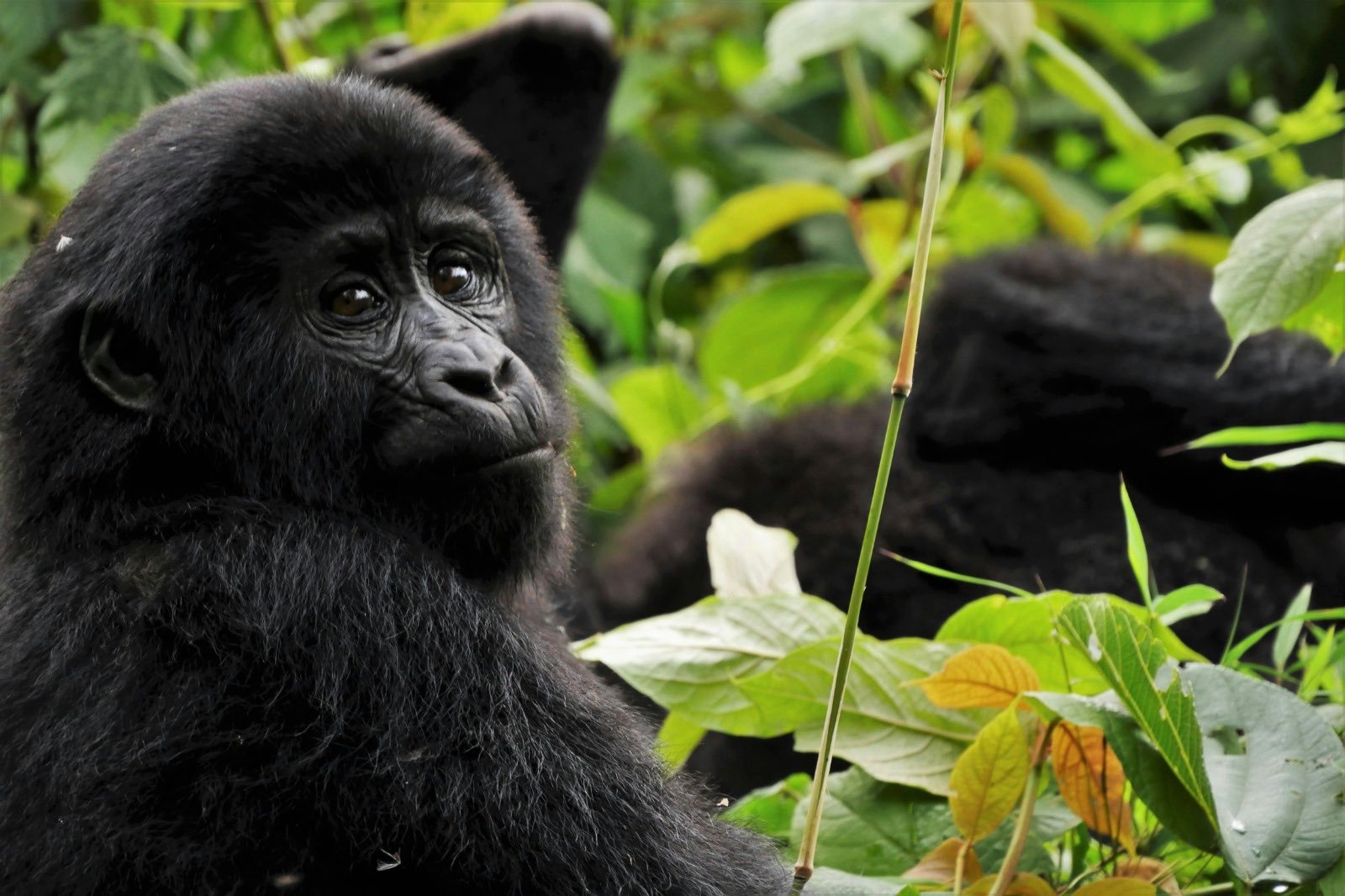
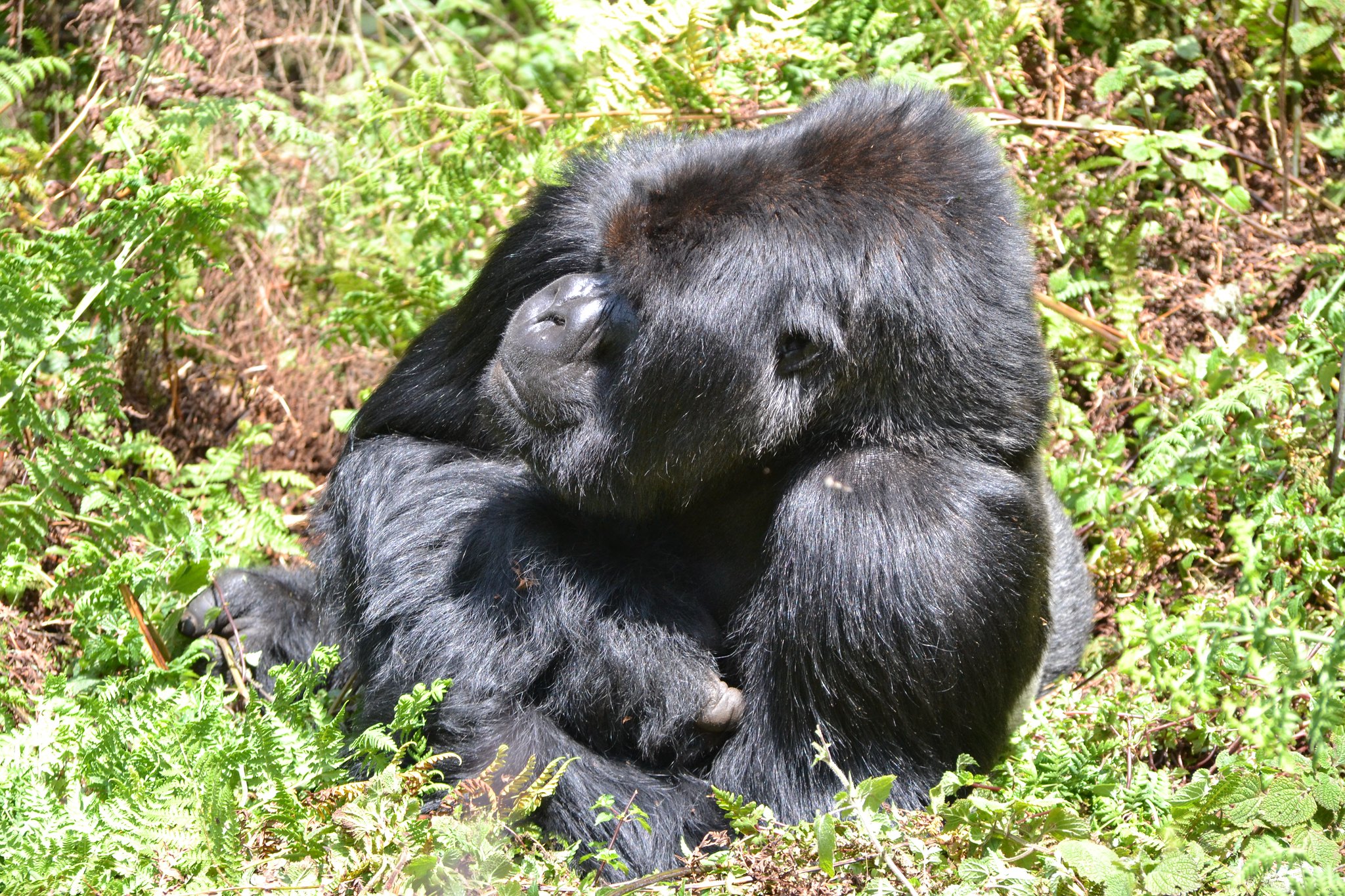
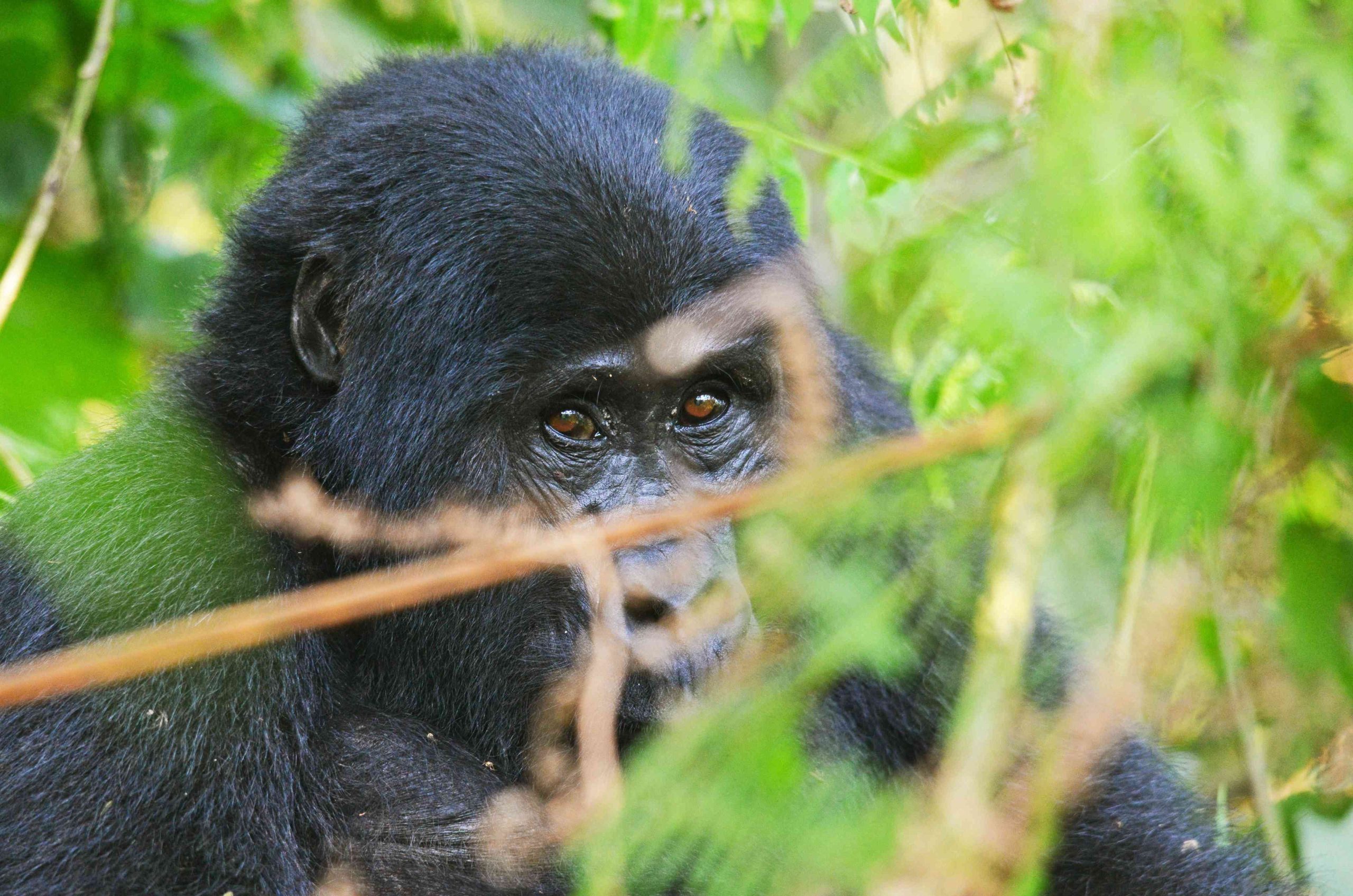
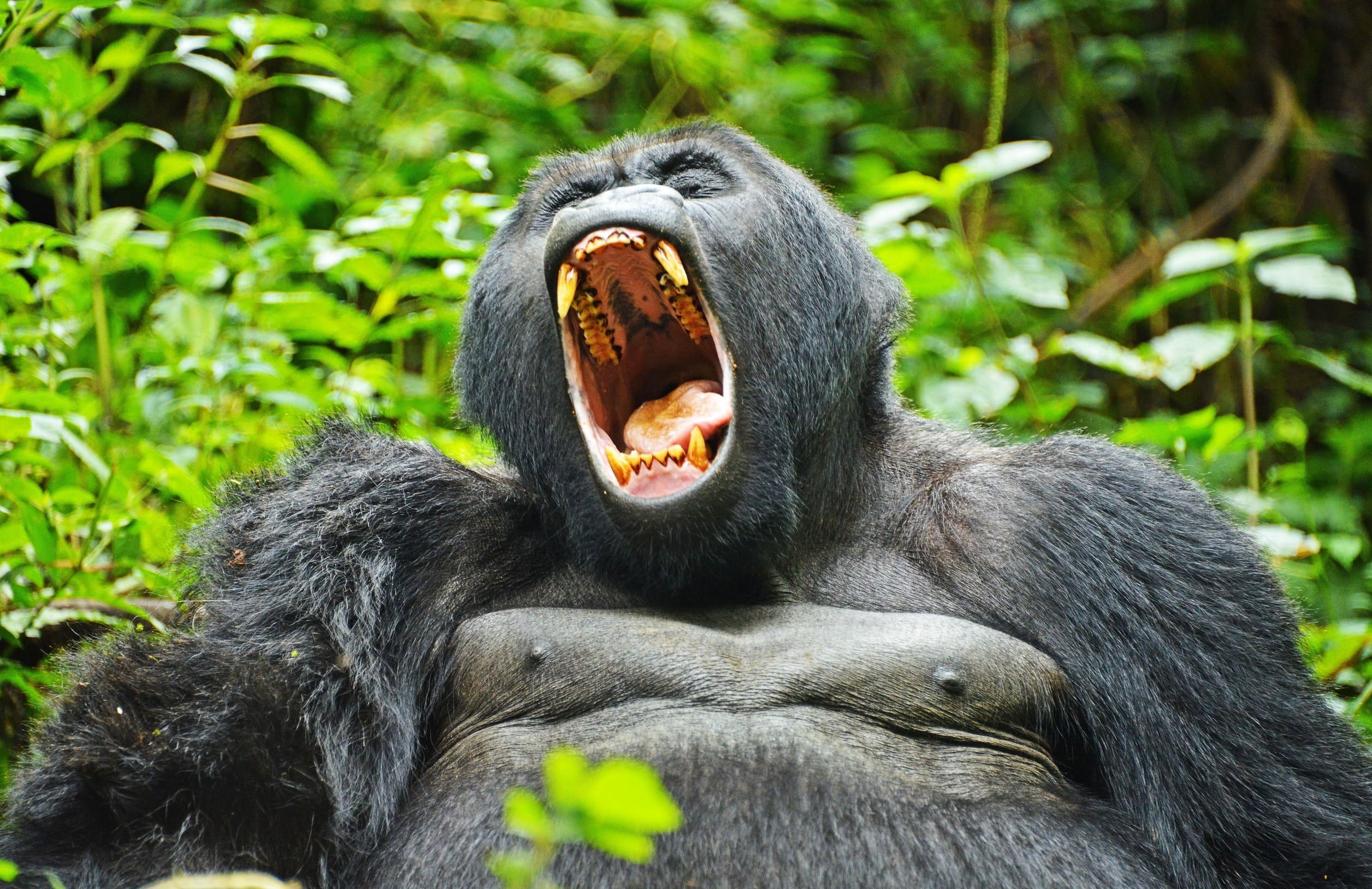
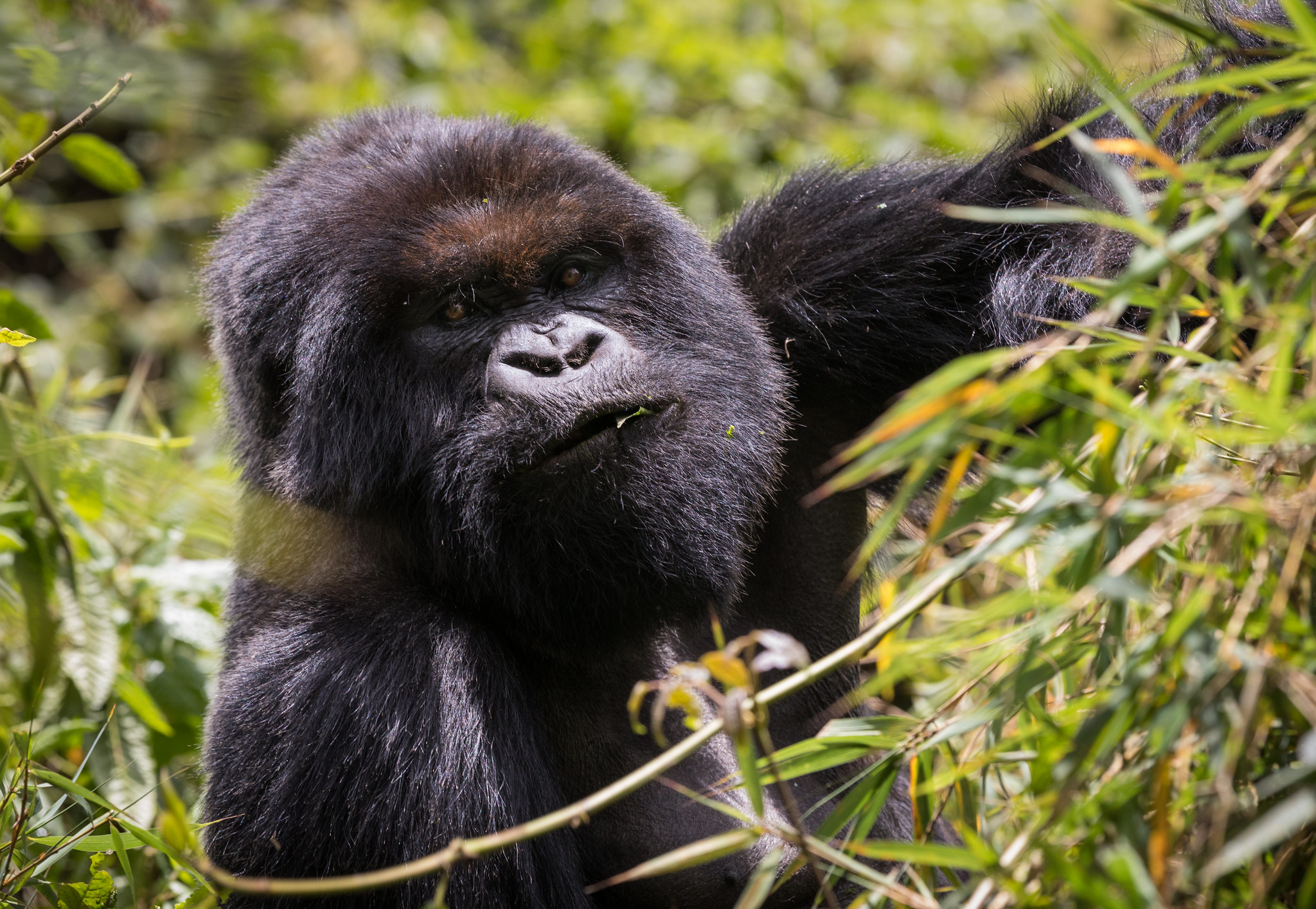
Here’s the truth most safari websites won’t tell you: there is no bad time to see mountain gorillas. Treks run every single day of the year, sightings exceed 95% in every month, and the gorillas don’t migrate. What changes with the seasons is the mud on the trail, the light for photography, the crowds — and since 2026, the price of your permit. Here’s how to pick your month intelligently.
The Two Dry Seasons: June–September and December–February
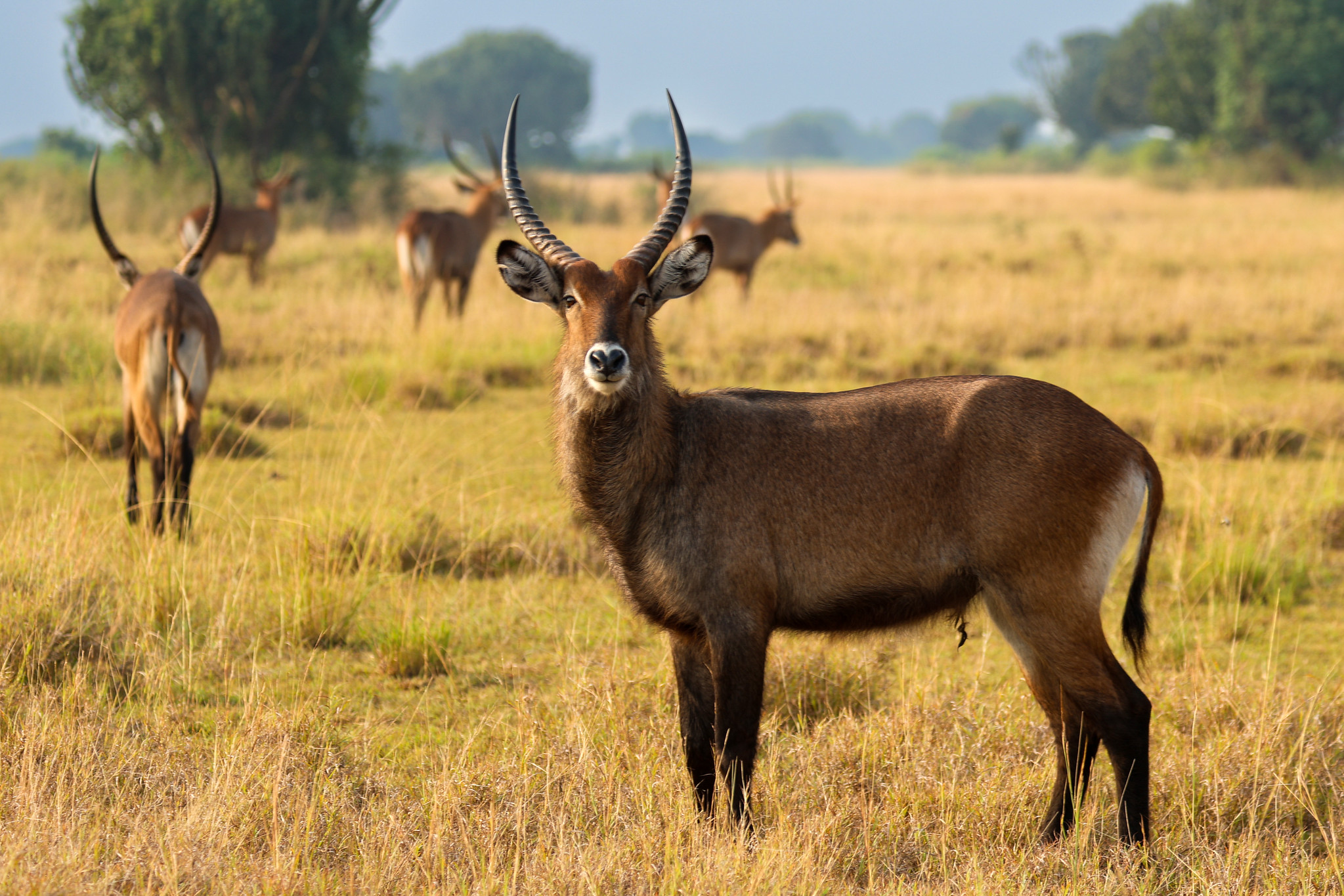
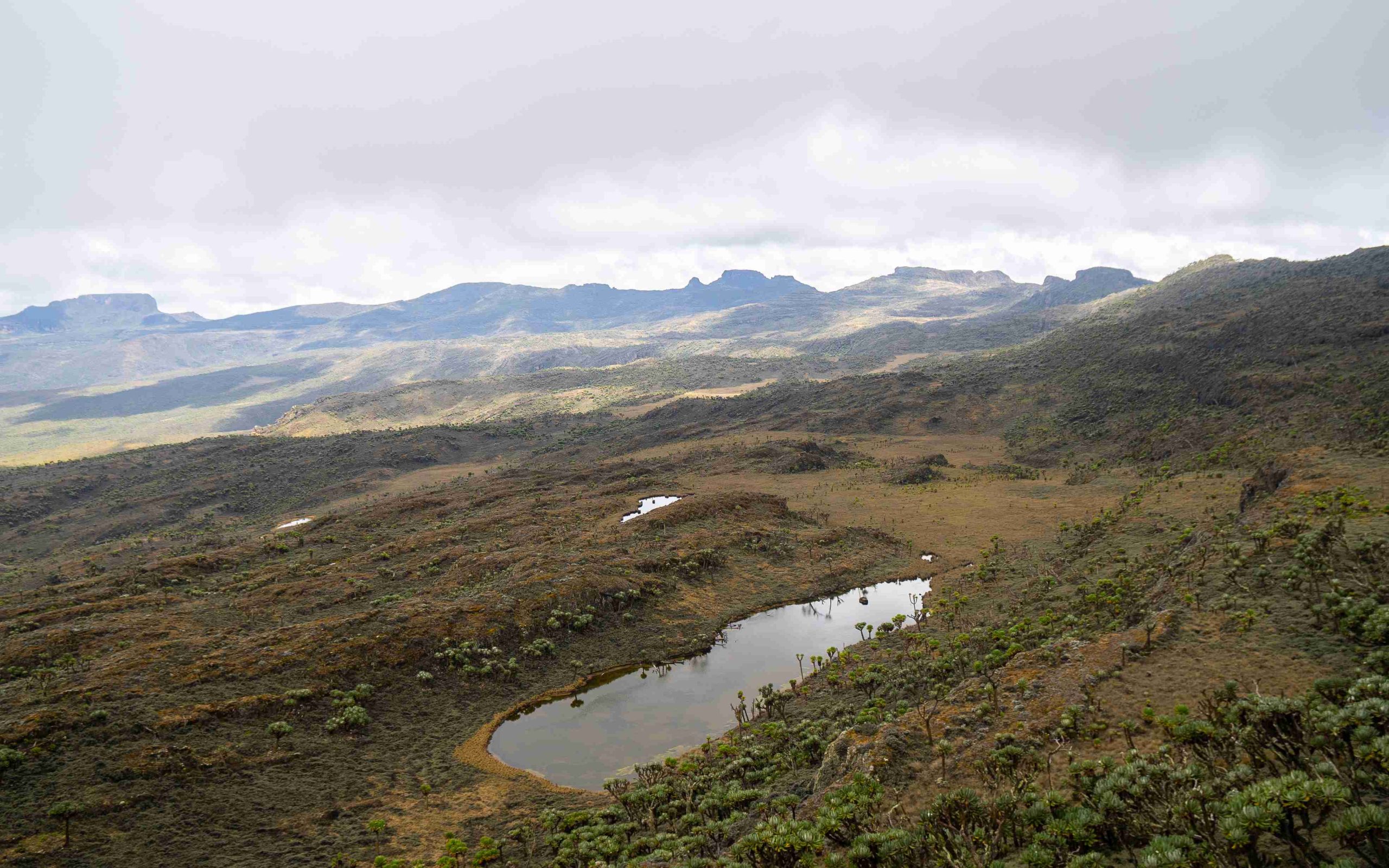
These are the classic windows. Trails in Bwindi Impenetrable National Park are at their firmest, skies are clearer for photography, and lower malaria risk and easier road travel make the whole itinerary smoother. June to September is also perfect for combining your trek with savannah game drives, when wildlife concentrates around water. The trade-offs: permits for these months sell out 6–10 months in advance, and lodges charge peak rates.
The Rainy Seasons — and the 2026 Reason to Reconsider Them
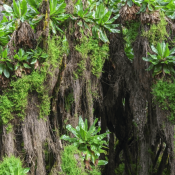
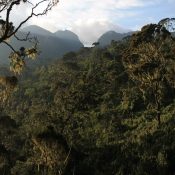
March–May and October–November bring afternoon downpours, slippery trails, and mist — but also the forest at its most alive, dramatic photography, fewer trekkers, and better lodge rates. And UWA’s 2026 tariff added a decisive new factor: in April, May, and November, foreign non-residents pay USD 600 instead of USD 800 for a permit. For a couple, that’s a USD 400 saving — details and the non-reschedulable catch are in our permit guide.
Worth knowing: “rainy season” in an equatorial rainforest means it can rain any day of the year in Bwindi — pack waterproofs whenever you come. The distinction between seasons is frequency, not certainty.
Month-by-Month Quick Guide
- January–February: Dry, warm, excellent — quieter than the mid-year peak.
- March–May: Long rains. Lush forest, low-season permits in April and May, lowest lodge rates.
- June–September: Prime time. Best trail conditions, biggest crowds, book earliest.
- October: Shoulder — short rains begin, but often underrated and quieter.
- November: Short rains, discounted USD 600 permits, misty atmospheric treks.
- December: Dry season returns; the holiday fortnight books out early.
Timing for Photographers
Overcast, post-rain light is actually a gift: soft, even illumination in the forest understory beats harsh dry-season contrast. Many of our favourite guest photos come from November treks. Protect your gear with dry bags, bring a lens cloth for the humidity, and remember flash is prohibited.
If You’re Combining the Trek
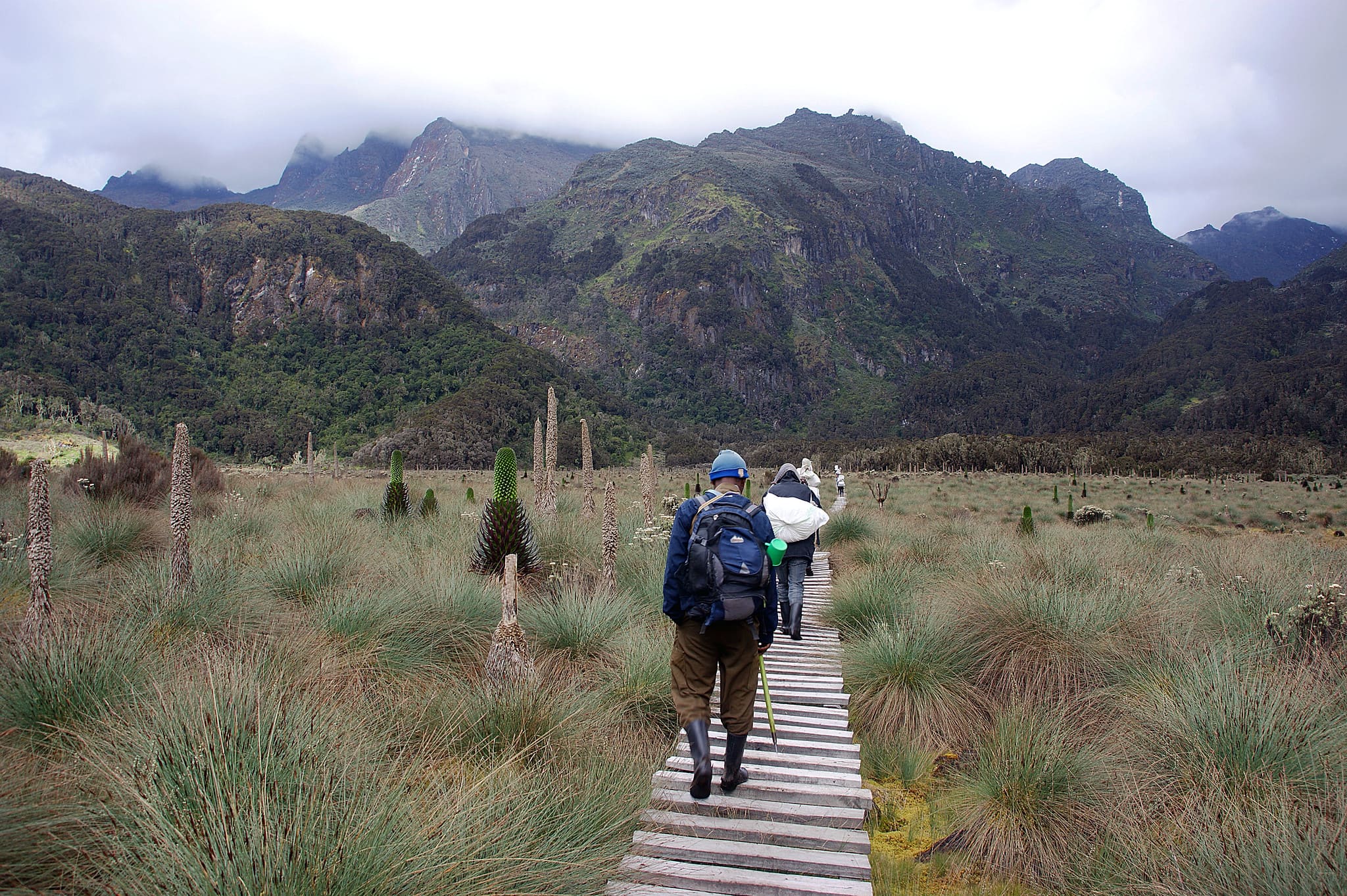
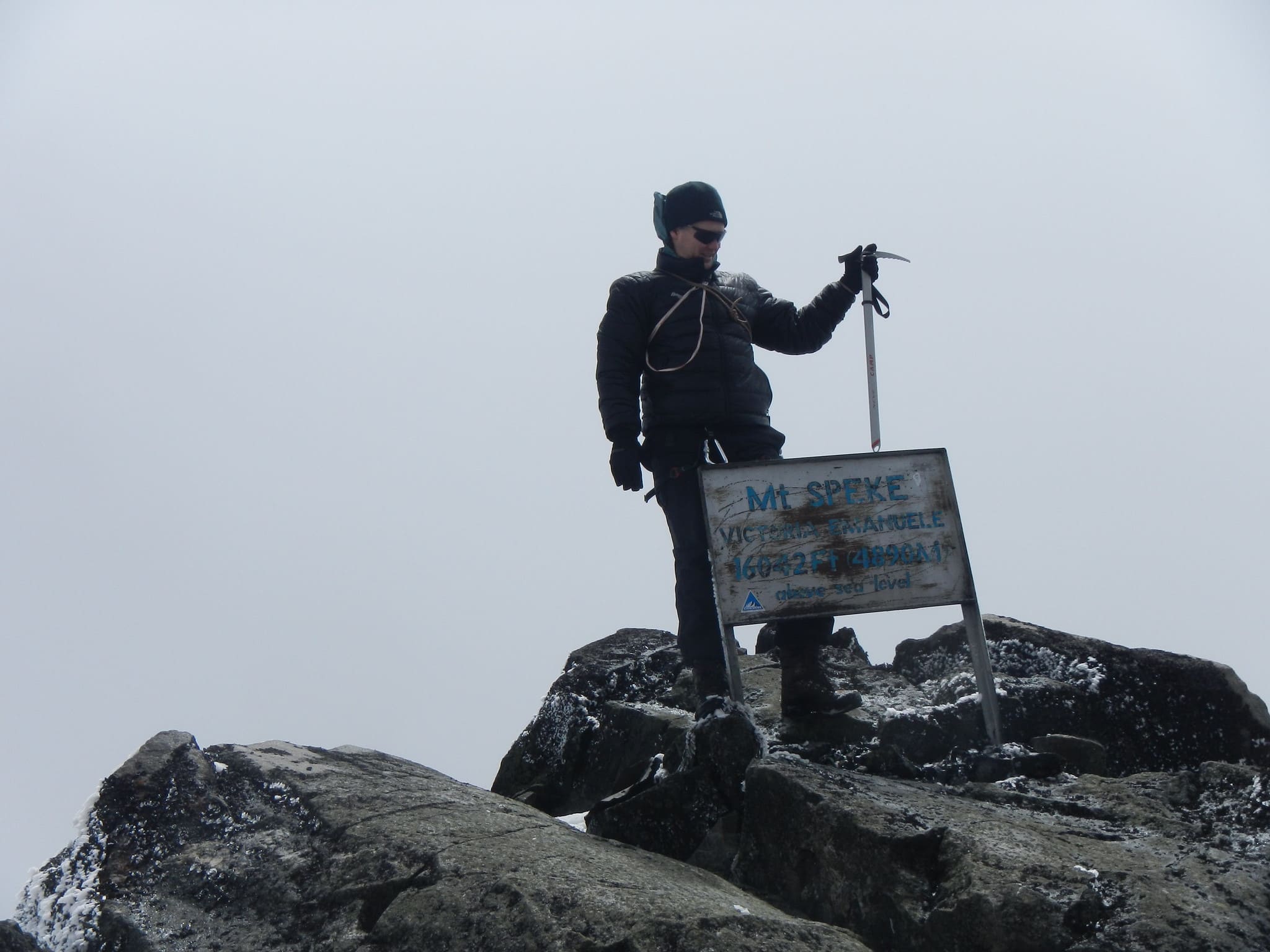
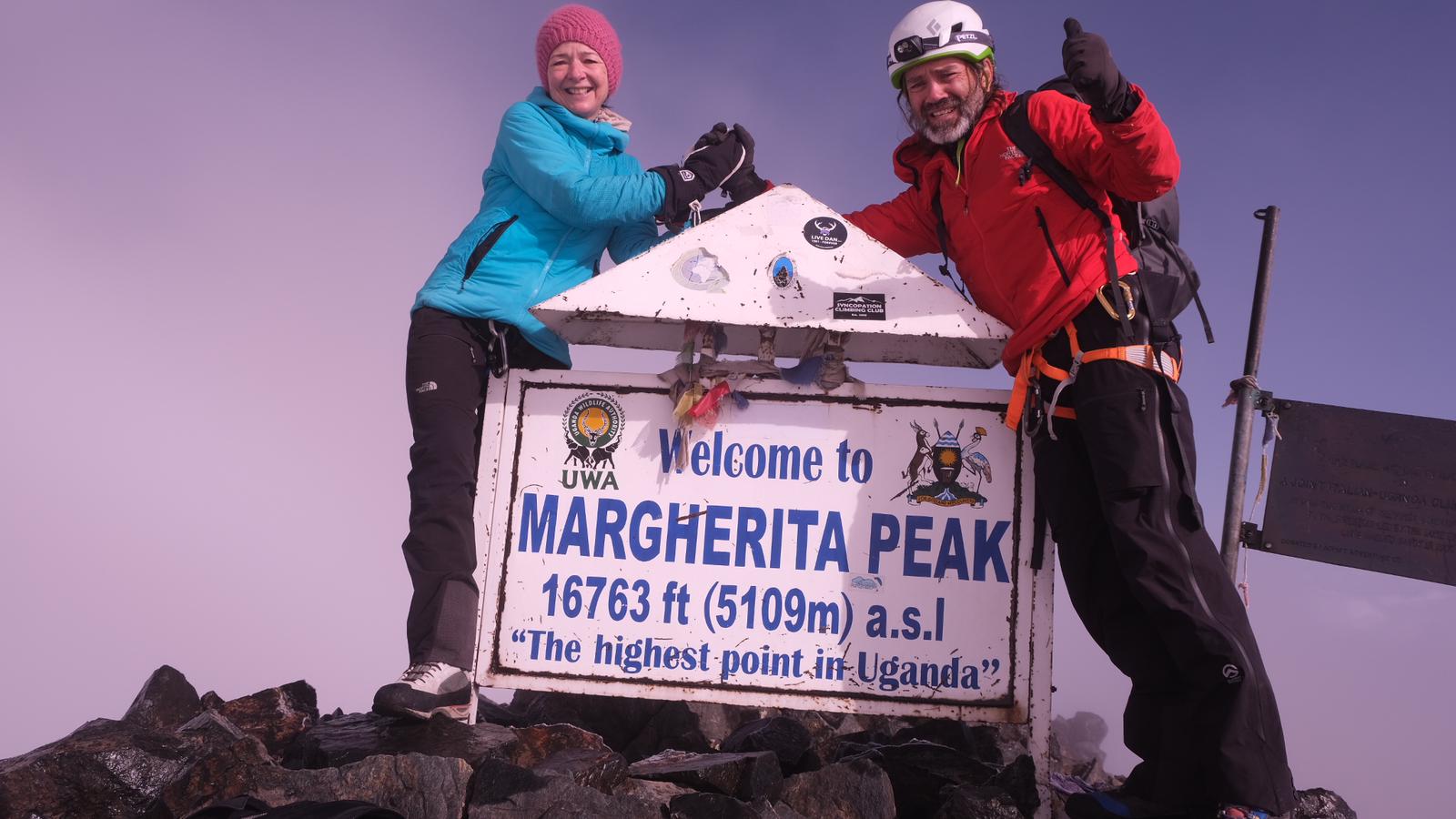
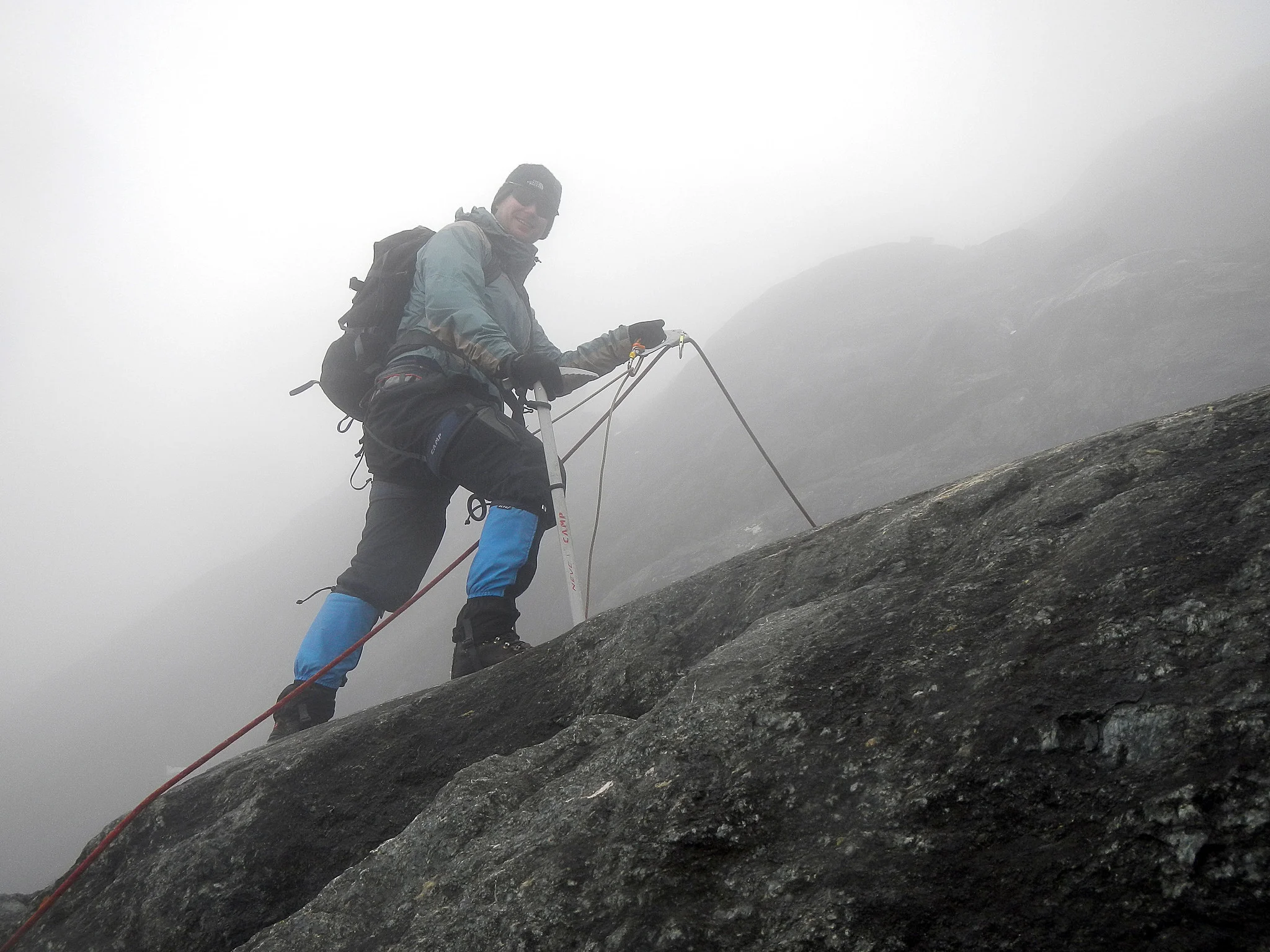
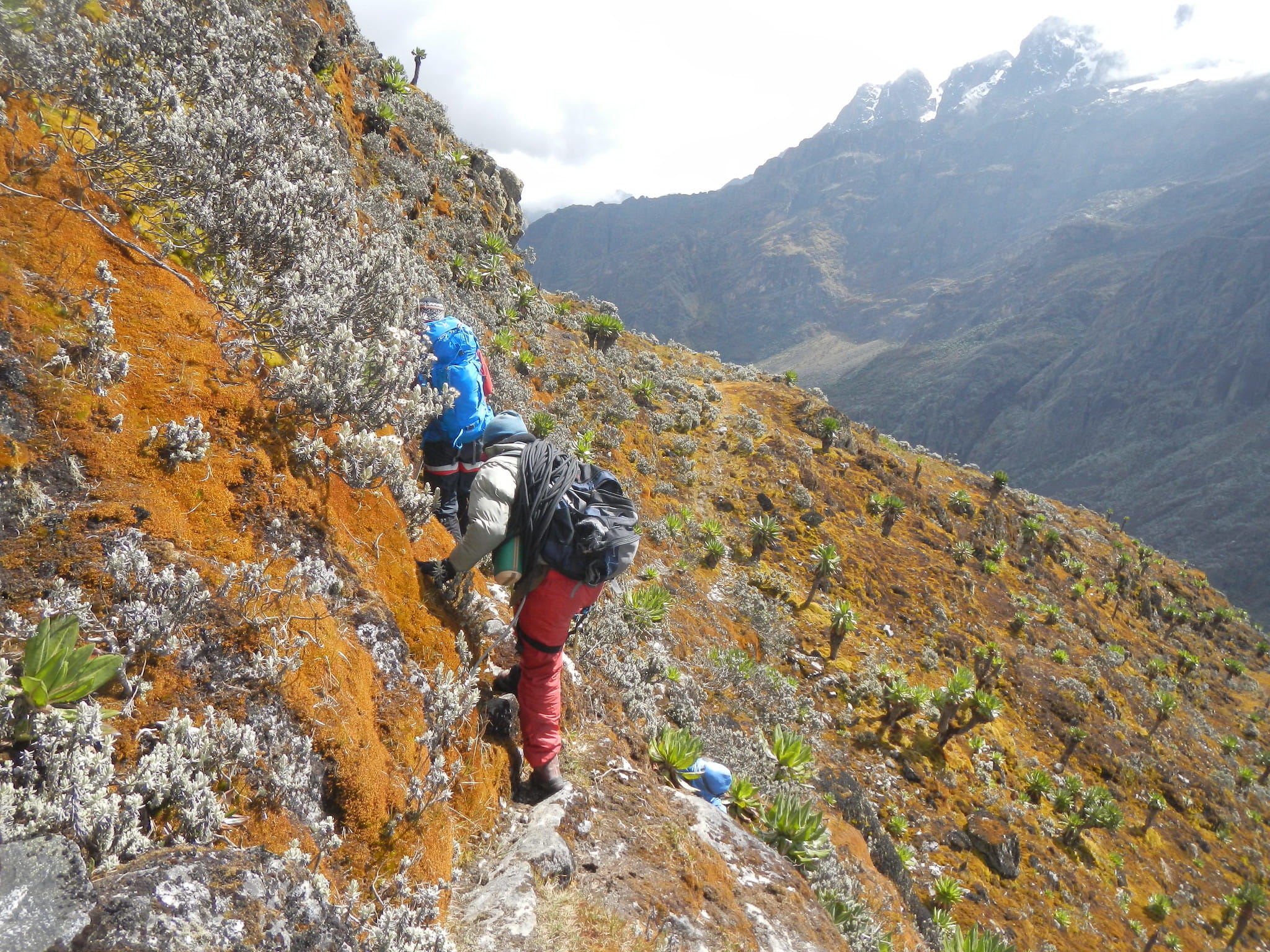
Pairing gorillas with a savannah safari? Prioritize June–September or December–February when game viewing peaks. Pairing with a Rwenzori climb? The same dry windows apply, and our guide to the best time to visit the Rwenzori Mountains covers the mountain side in detail. Just want the gorillas at the best price? April, May, or November — firm dates, waterproof boots, USD 200 saved per permit.
Frequently Asked Questions
Do gorillas hide when it rains?
No — trackers locate your assigned family every morning regardless of weather. Gorillas often descend to lower, warmer elevations in the rains, which can actually shorten your hike.
What’s the single best month?
If budget is no concern: June or September — dry trails without the absolute peak crush. If value matters: November, for discounted permits with lighter rains than April–May.
How far ahead should I book for peak season?
Six to ten months. Since UWA scrapped reservation holds in March 2026, permits are paid in full at booking and popular dates go fast — our cost guide explains the full budget picture.
Pick Your Month, We’ll Do the Rest
Tell us your travel window on the safari planning form and we’ll confirm live permit availability, advise on that month’s conditions, and build the itinerary around it — or browse all our gorilla trekking safaris.
Related Guides