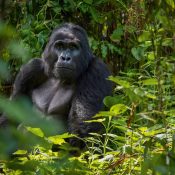
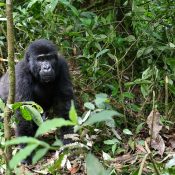
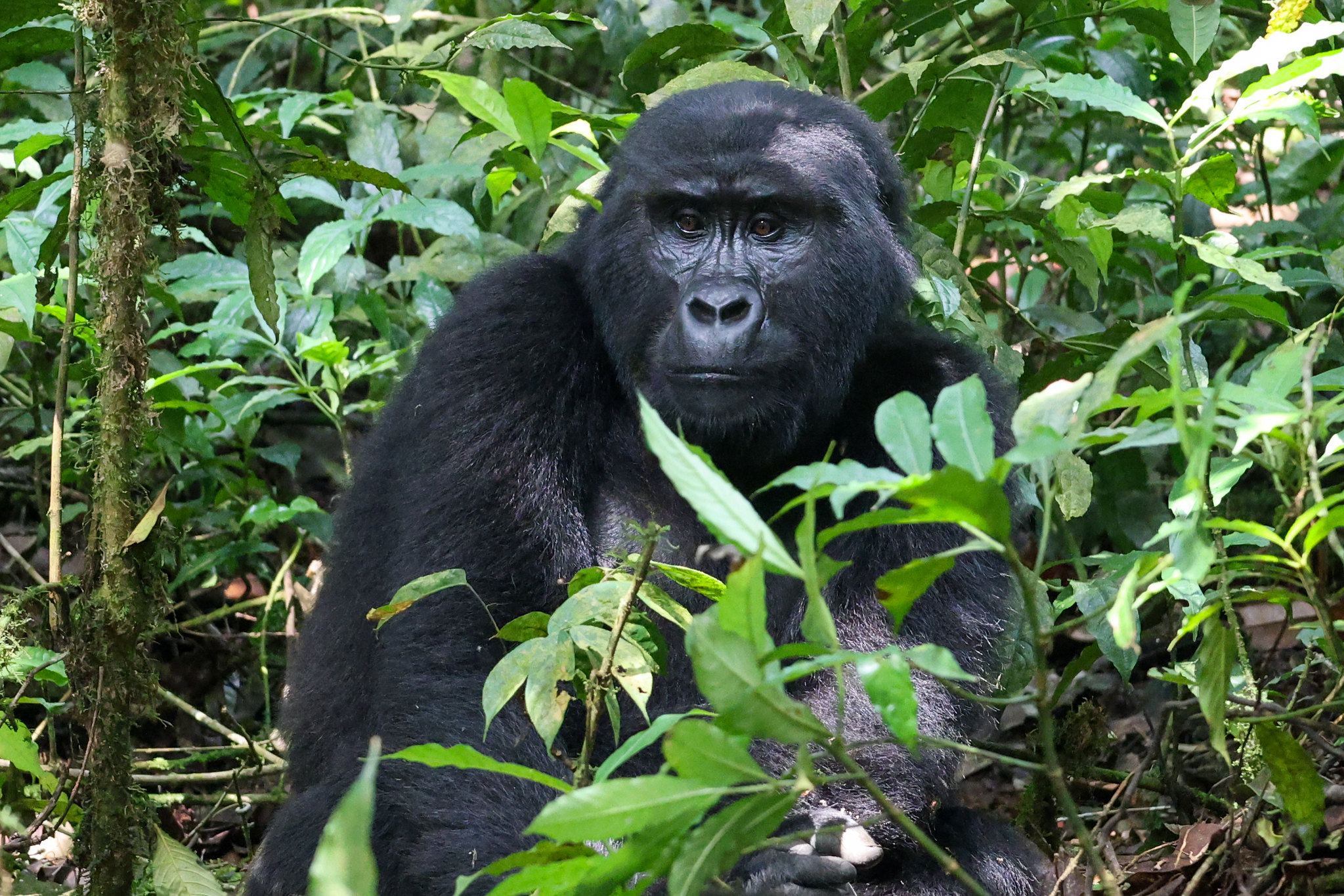
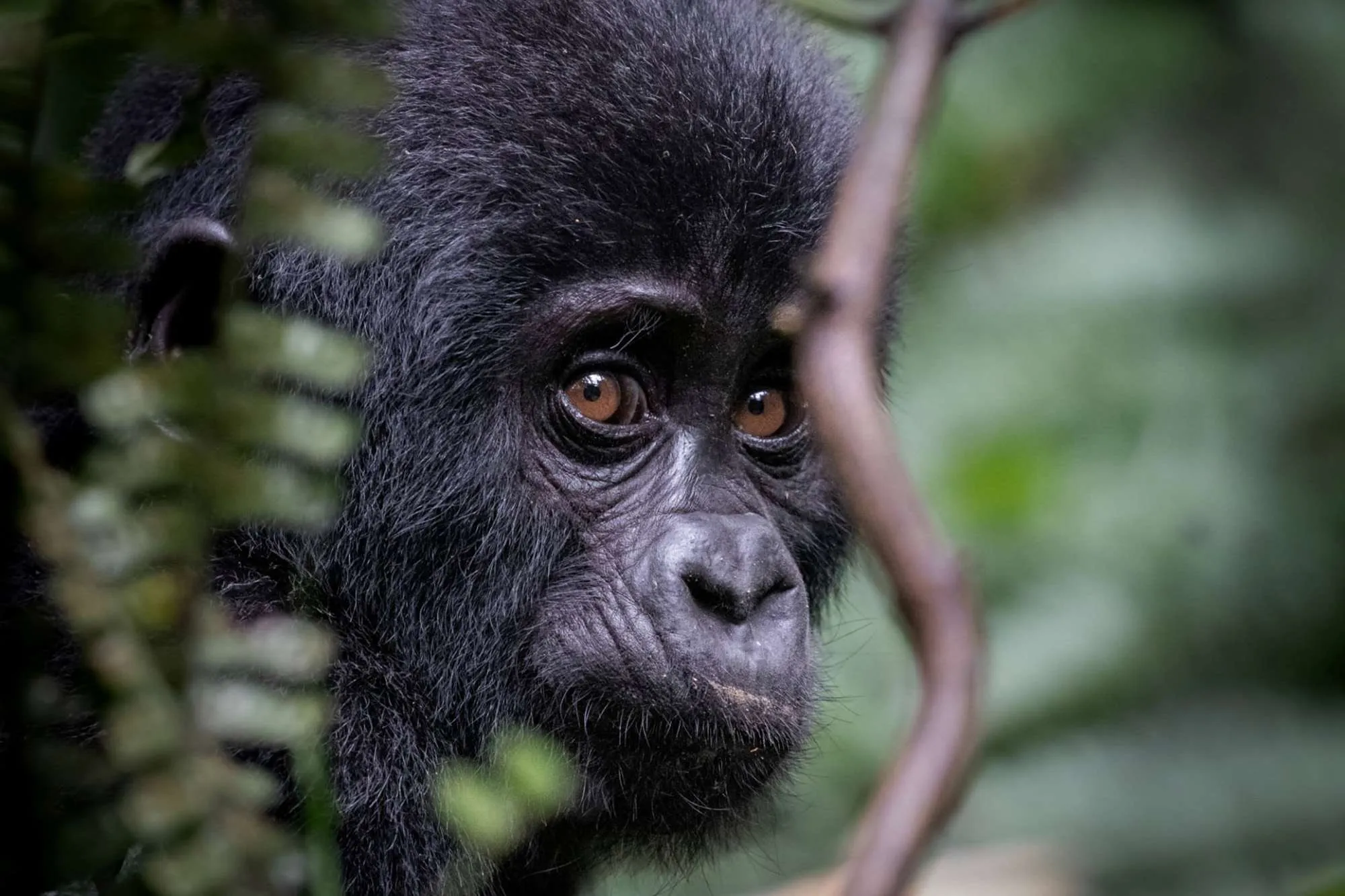
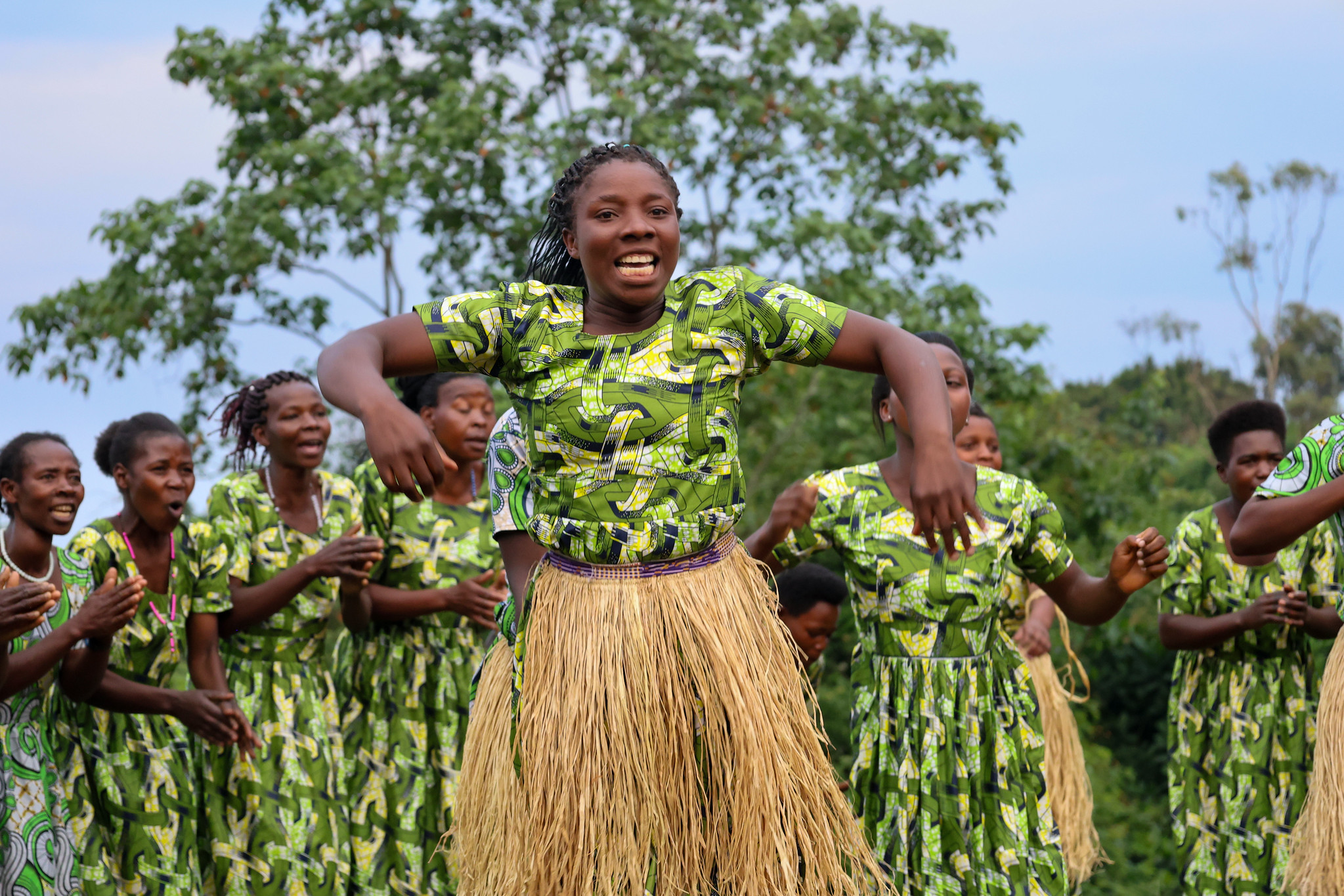
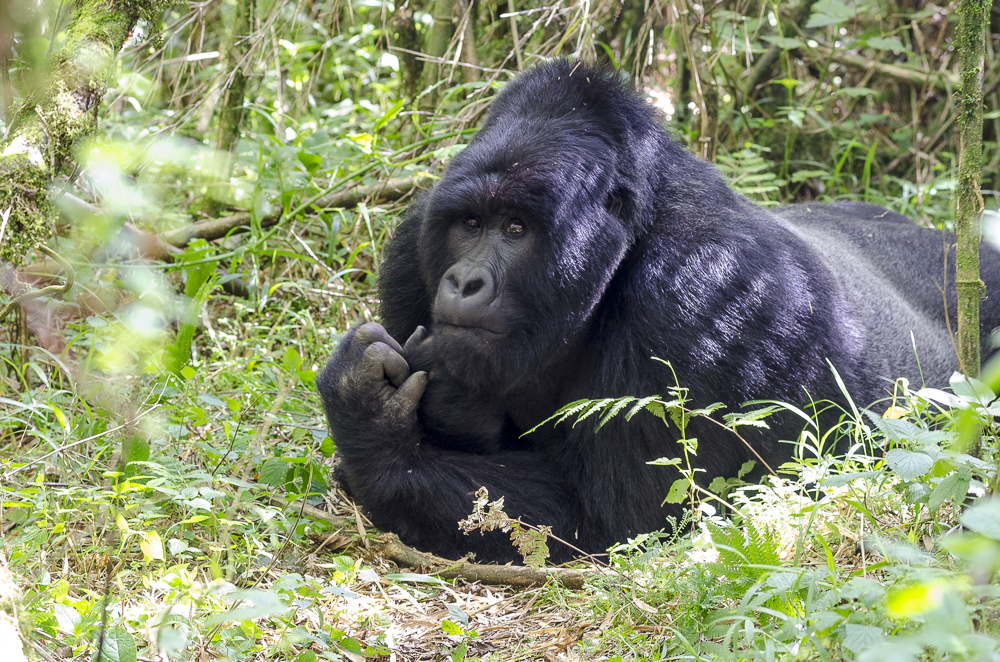
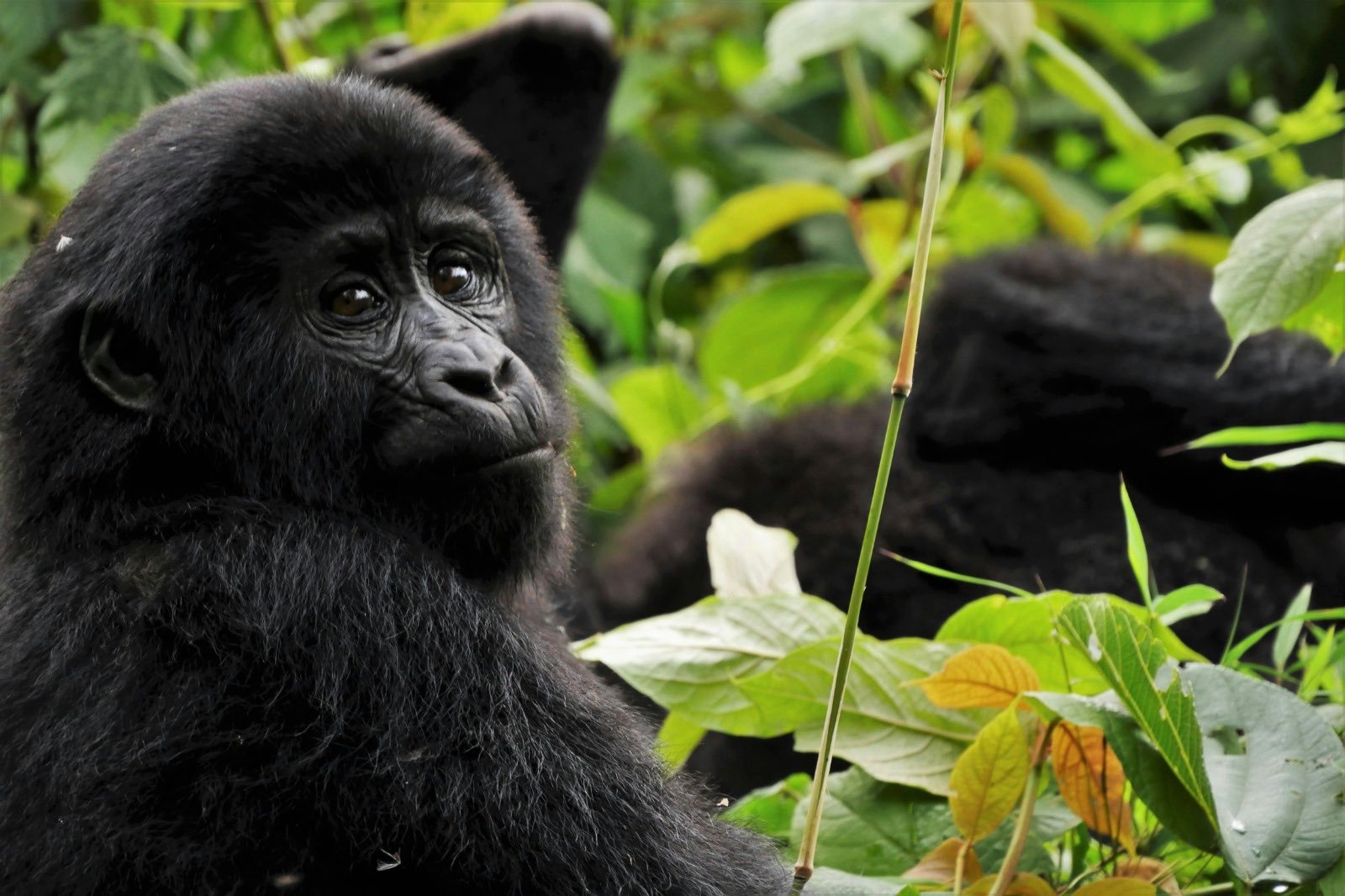
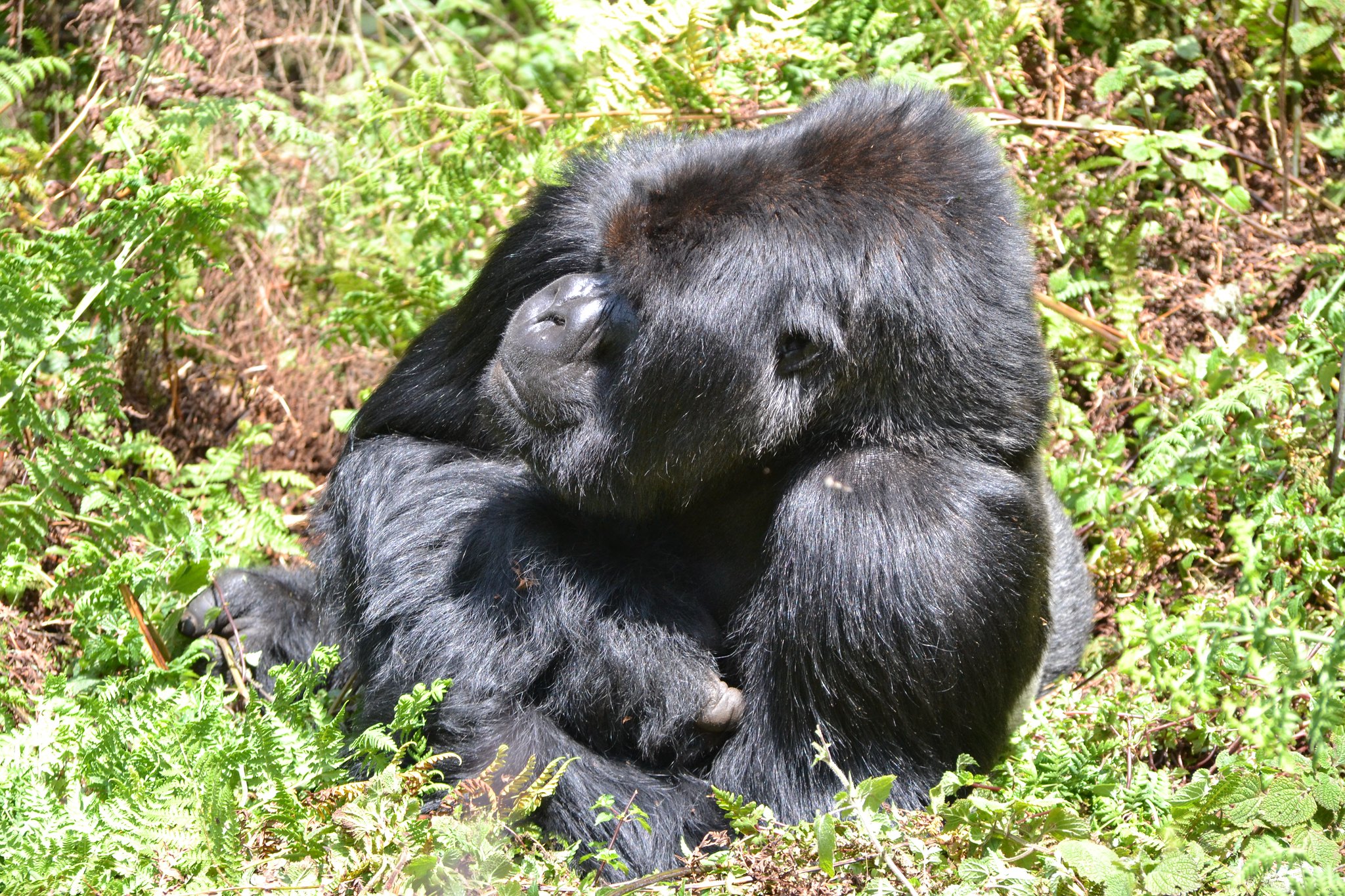
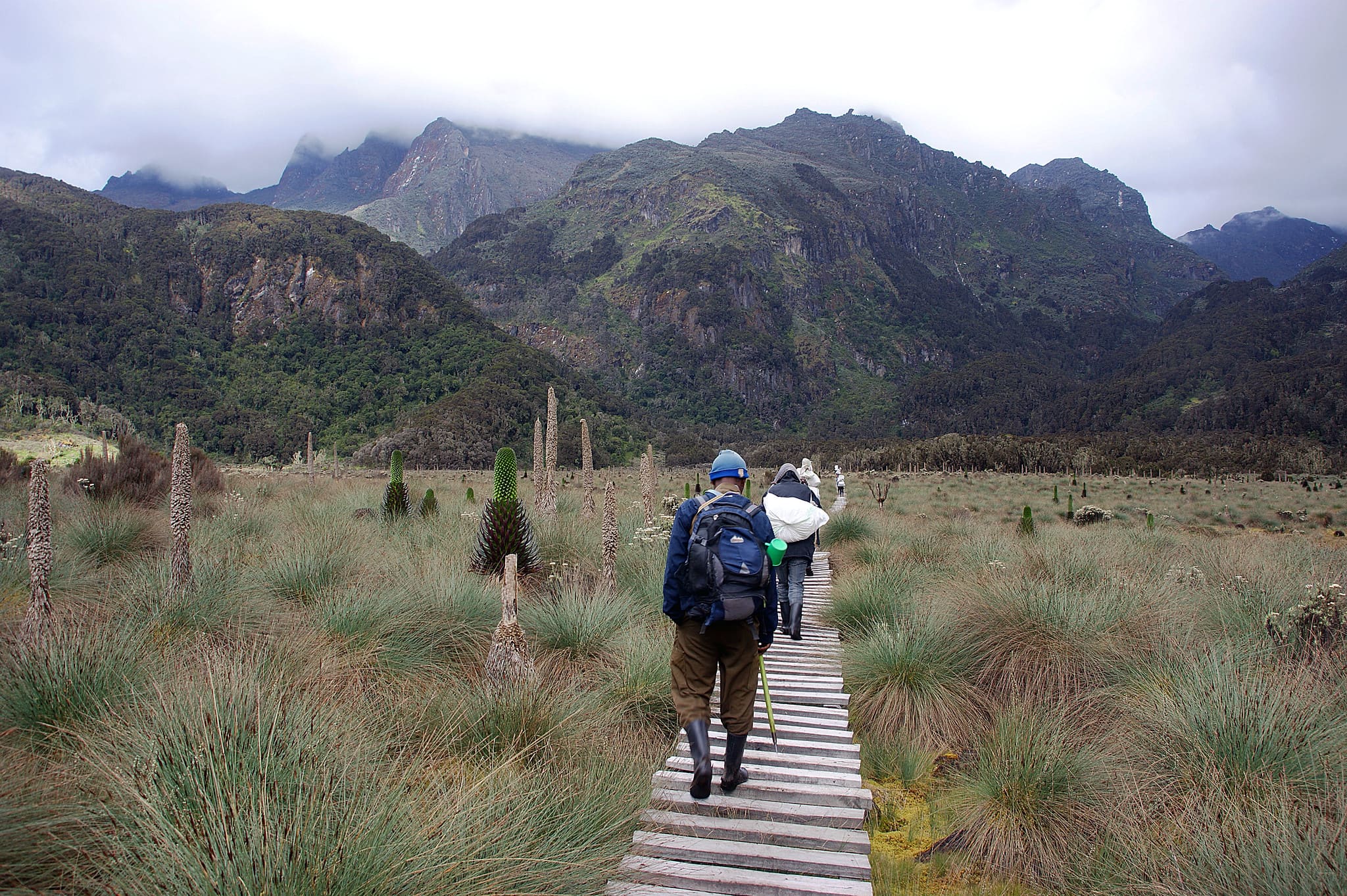
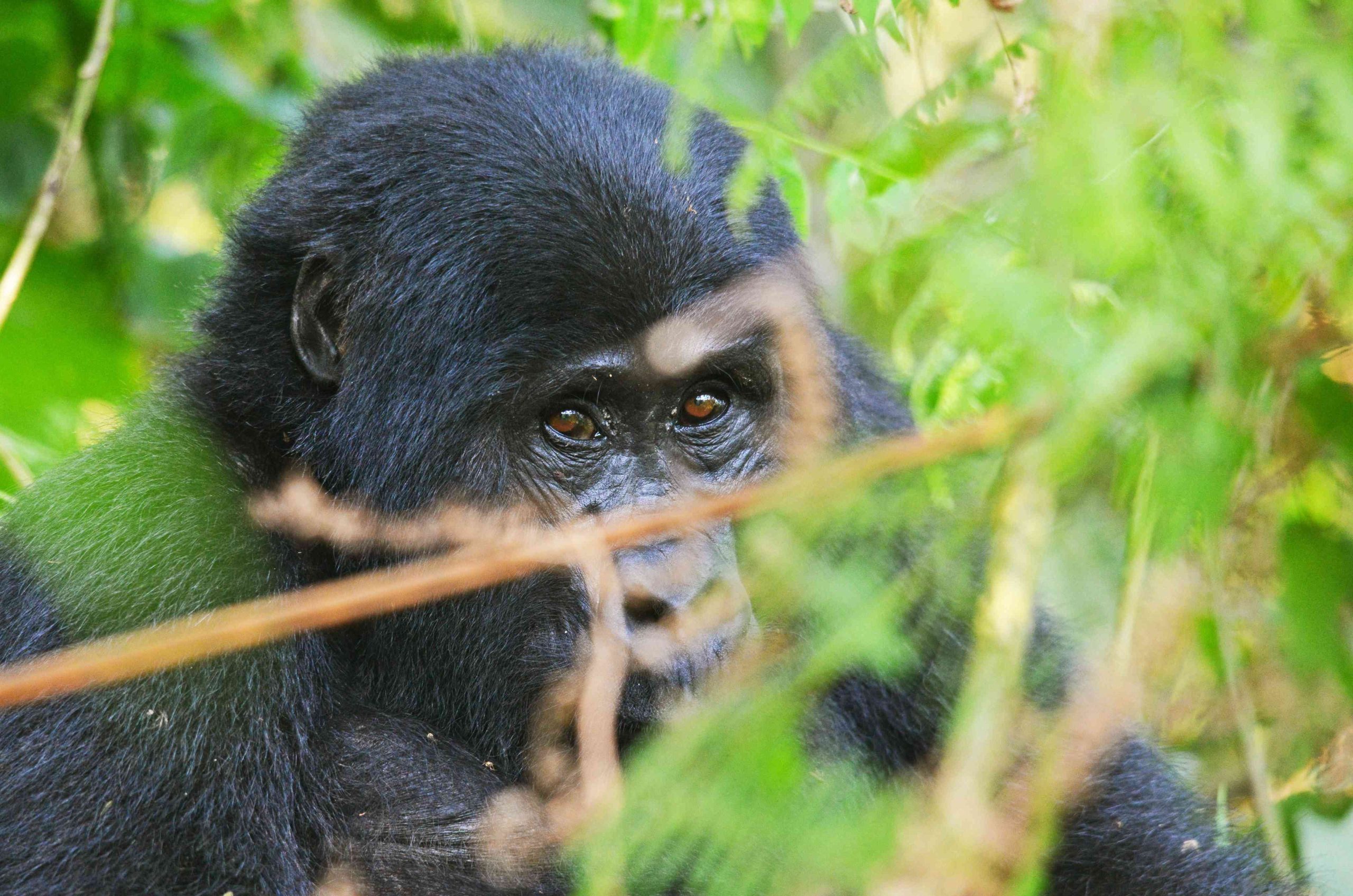
Uganda and Rwanda are the only two countries where seeing mountain gorillas is straightforward, safe, and well-organized — and they offer genuinely different experiences. Having guided treks on both sides of the Virunga volcanoes, here is our honest comparison of price, access, trek difficulty, and atmosphere, so you can choose the right country for your trip (or sensibly combine both).
The Short Answer
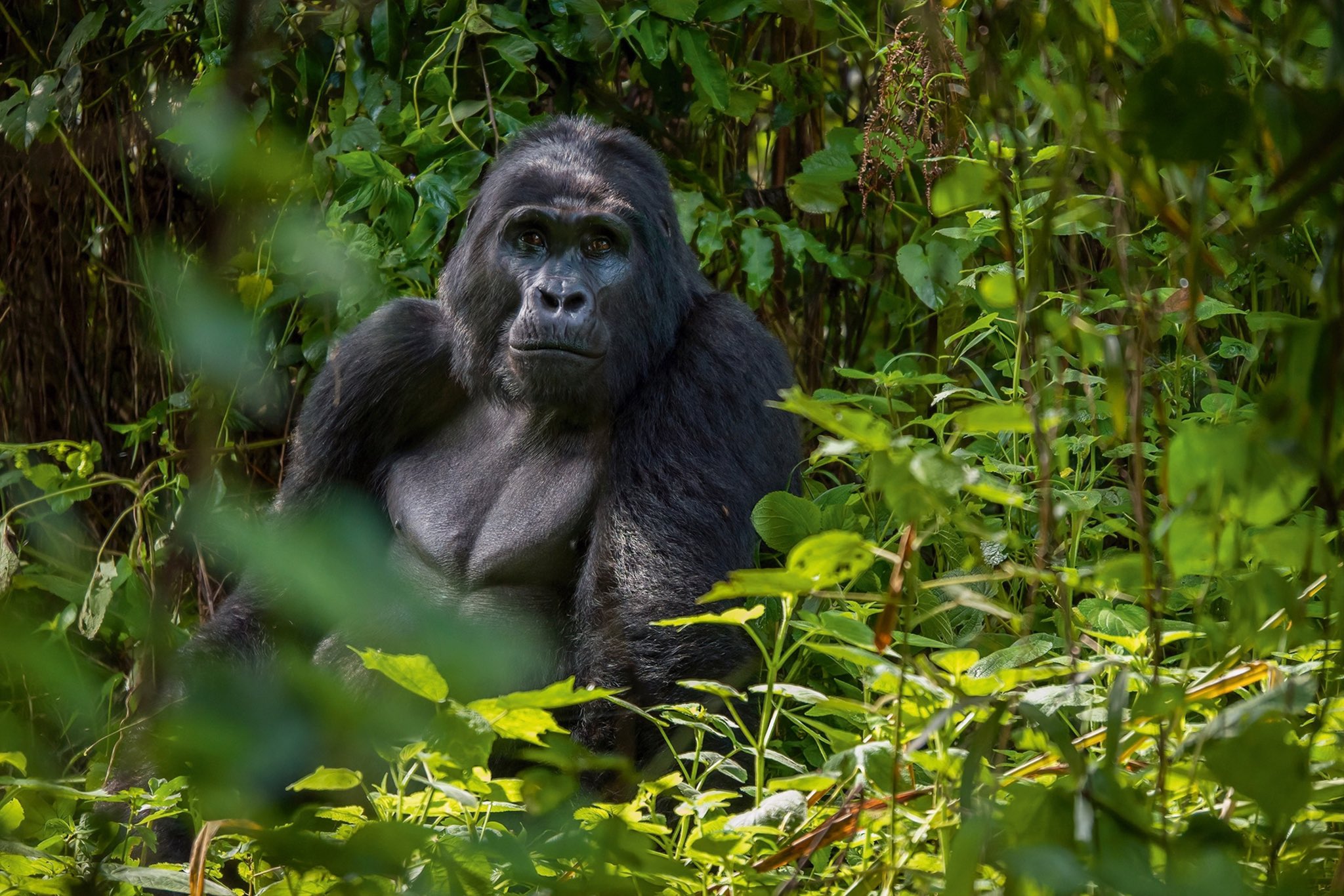
Choose Uganda for value, variety, and wilder forest trekking: permits are nearly half Rwanda’s price, Bwindi has the most habituated gorilla families anywhere, and Uganda alone offers the four-hour habituation experience. Choose Rwanda for speed and polish: you can land in Kigali, trek the next morning, and be home in a weekend. Combine both if your schedule allows — the border is genuinely easy.
Permit Prices: Uganda Wins on Value
A Uganda permit costs USD 800 — or USD 600 in April, May, and November under UWA’s 2026 low-season tariff — against Rwanda’s USD 1,500. For a couple, that’s a difference of up to USD 1,800, enough to fund several extra safari days. The full pricing tables and 2026 booking rules are in our gorilla permit guide and cost breakdown.
Getting There: Rwanda Wins on Speed
Rwanda’s Volcanoes National Park is a smooth 2–3 hour drive from Kigali International Airport on excellent roads. Uganda’s Bwindi Impenetrable National Park is 8–9 hours from Entebbe by road — a beautiful drive through the countryside, but a full day each way — or a 90-minute domestic flight. The insider move: fly into Kigali and cross into southern Bwindi in about 4–5 hours, getting Uganda’s permit prices with most of Rwanda’s convenience. That routing is exactly how our 3-day Bwindi trek from Kigali works.
The Trekking Experience
Uganda: ancient rainforest, wilder trails
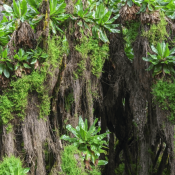
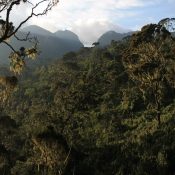
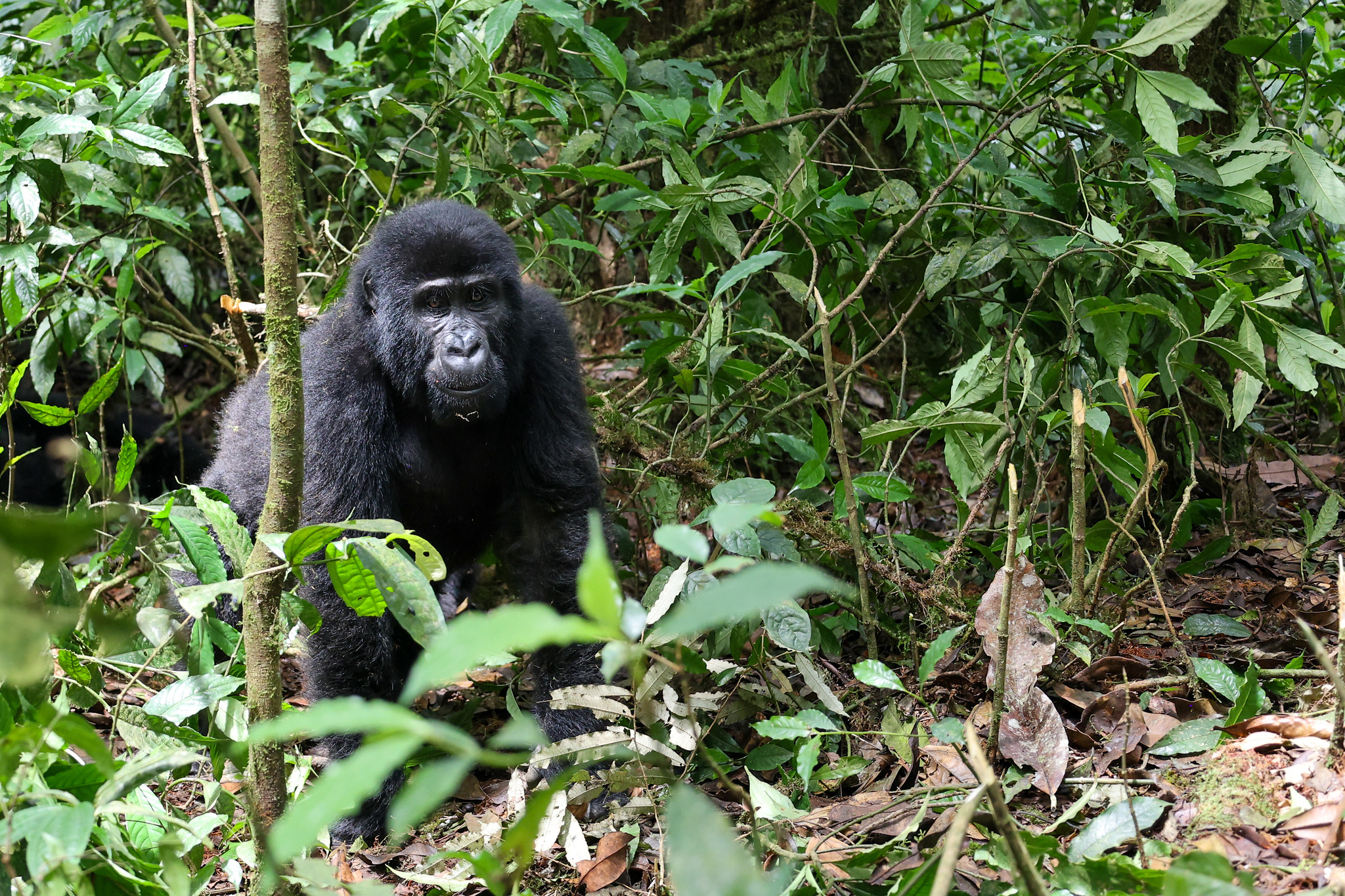
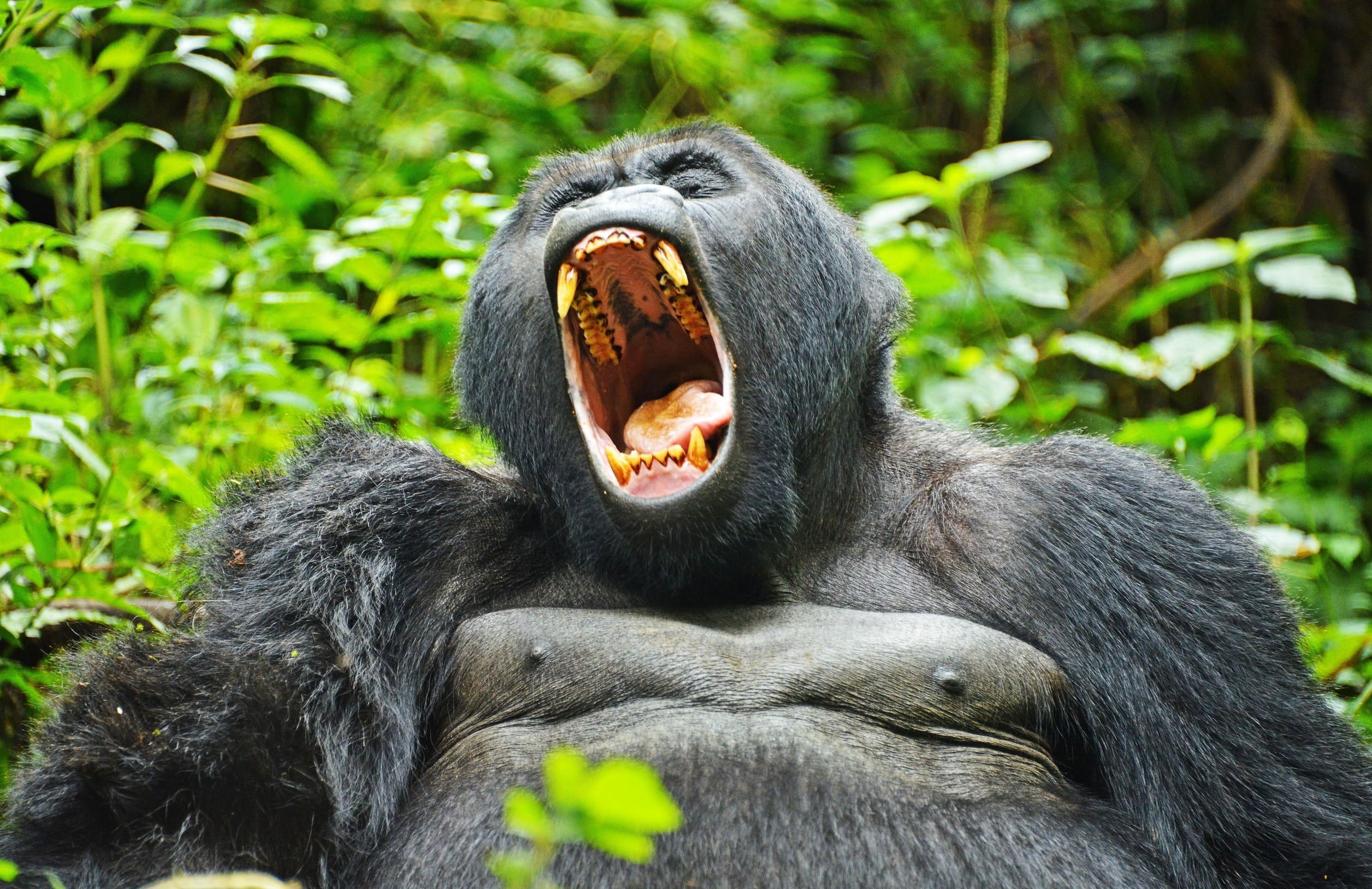
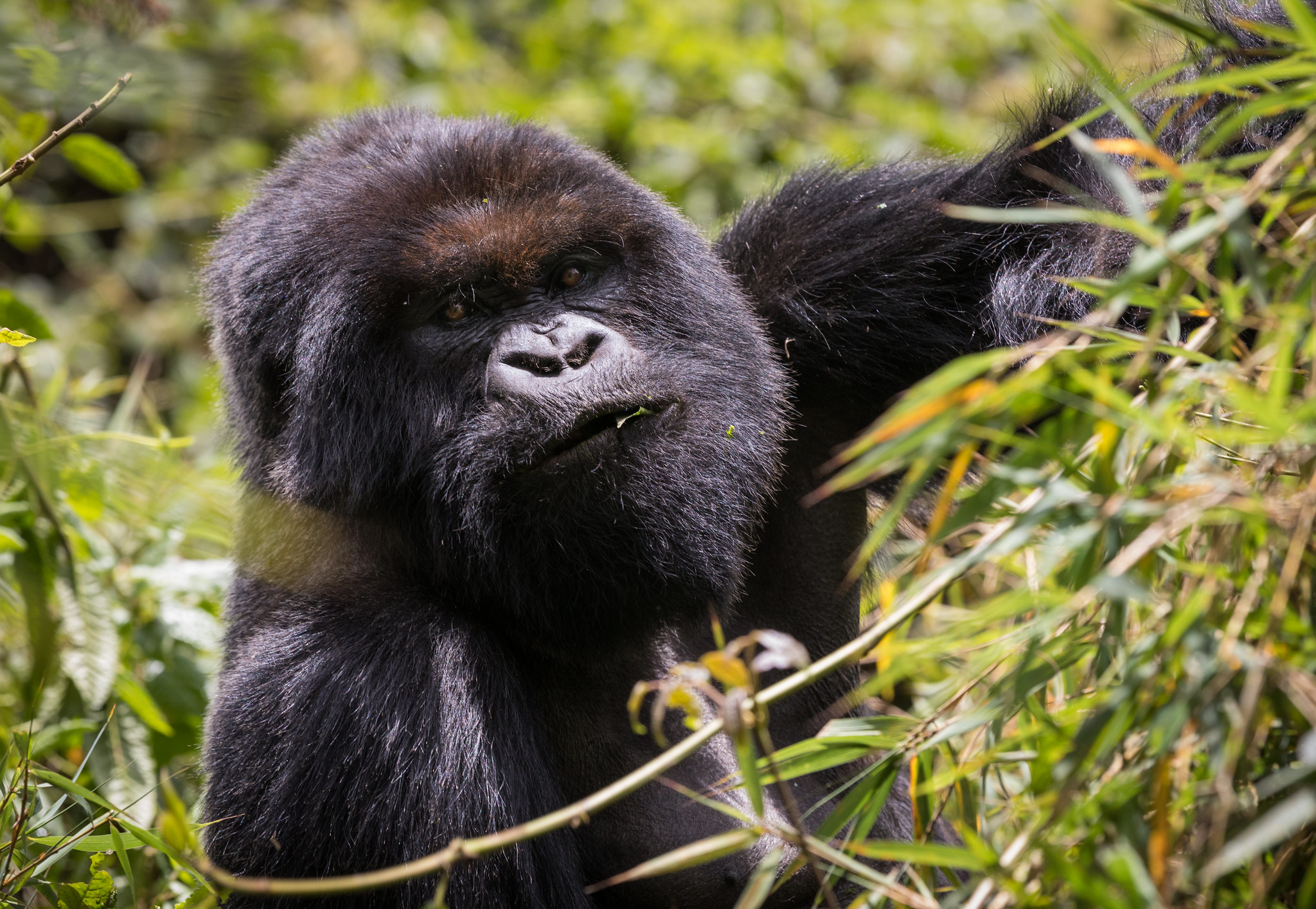
Bwindi is a 25,000-year-old lowland-to-montane rainforest — dense, steep, tangled, and utterly primeval. Treks range from one hour to a full day depending on where your family has moved, and reaching the gorillas feels earned. With over 20 habituated families across four sectors, Bwindi also offers the widest choice of trek difficulty: tell your briefing ranger your fitness level and they will assign an appropriate family. Mgahinga Gorilla National Park adds a second option: open bamboo slopes on the Virunga volcanoes with grand views.
Rwanda: volcano slopes, gentler approach
Volcanoes National Park treks start higher (around 2,500 m) but move through more open bamboo and hagenia forest — generally shorter, less tangled walking, with the dramatic Virunga cones as a backdrop. Roughly a dozen habituated families receive visitors. The overall operation is famously polished, matching Rwanda’s positioning as a premium destination.
What Only Uganda Offers
The Gorilla Habituation Experience in Bwindi’s Rushaga sector — four hours with a semi-habituated family alongside researchers, limited to four visitors per day — exists nowhere else on earth. If depth matters more to you than convenience, this alone settles the question. It anchors our 8-day habituation safari.
Beyond the Gorillas
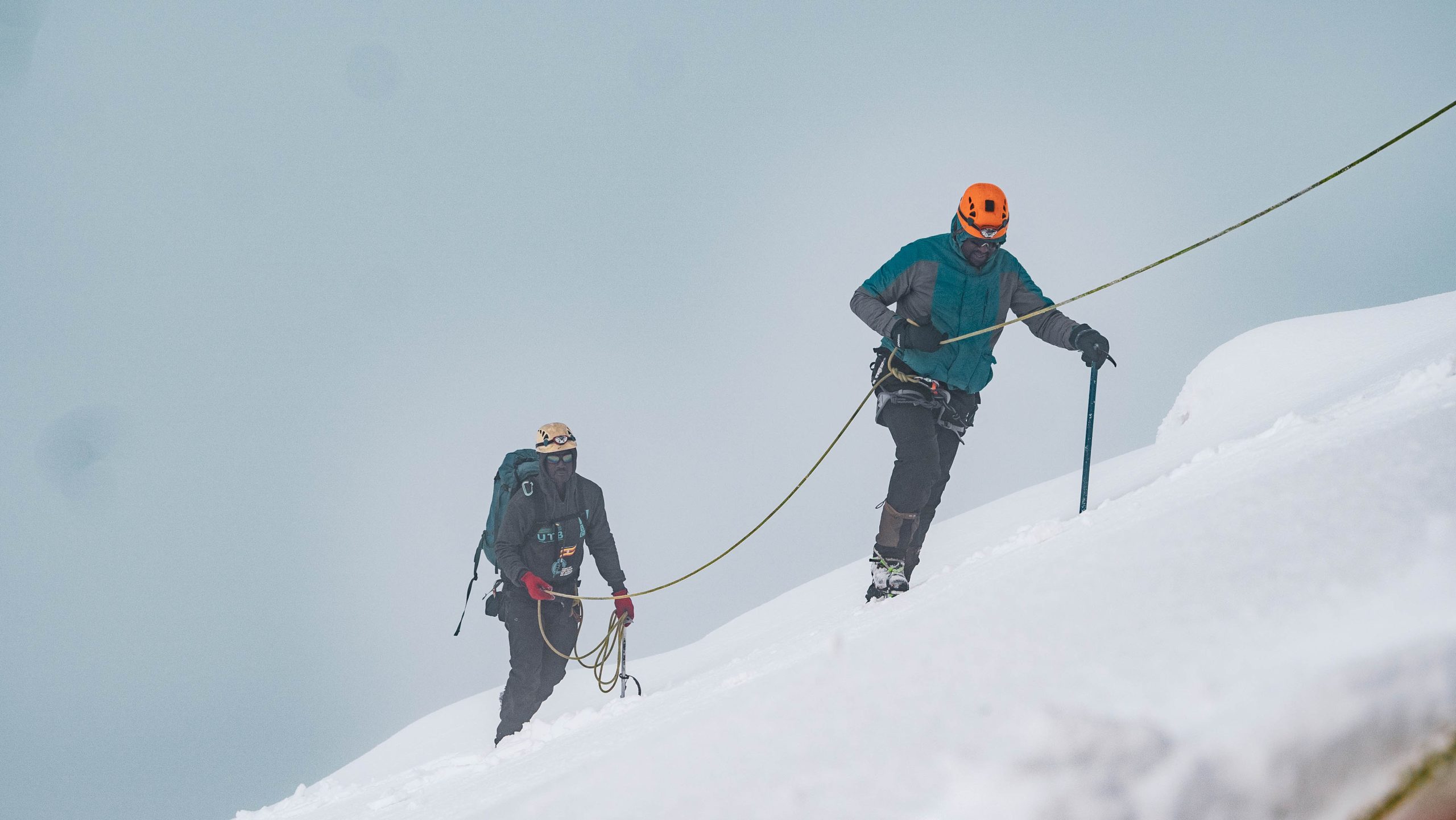
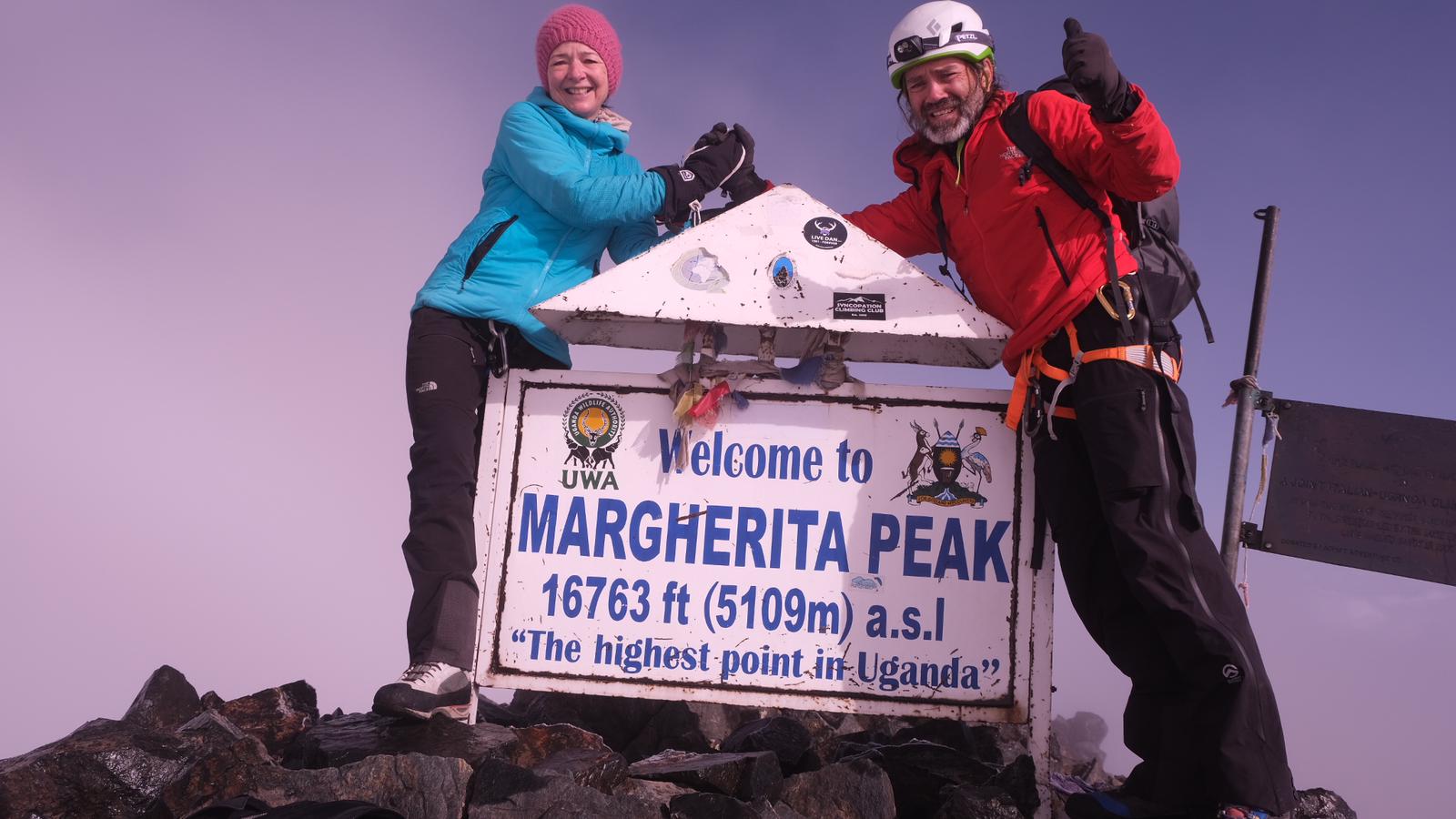
Uganda surrounds your trek with more: chimpanzees in Kibale, tree-climbing lions and the Kazinga Channel in Queen Elizabeth, the Nile at Murchison Falls, and the Rwenzori Mountains for serious trekkers. Rwanda counters with Kigali’s excellent museums, Lake Kivu, golden monkeys in Volcanoes, and Akagera’s Big Five — a compact circuit suited to shorter trips like our 7-day Rwanda classic safari.
Verdict by Traveler Type
- Tight schedule (3–4 days): Rwanda, or Kigali-to-Bwindi for the price advantage.
- Best value and variety: Uganda — especially in low season.
- Photographers and gorilla obsessives: Uganda, for the habituation experience.
- Luxury with minimum logistics: Rwanda.
- Can’t decide: Do both — our 9-day Uganda & Rwanda gorilla highlights safari treks both countries in a single loop.
Frequently Asked Questions
Are the gorillas different in Uganda and Rwanda?
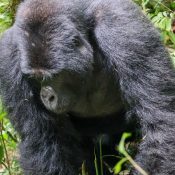
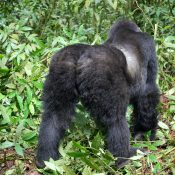
They are the same subspecies — mountain gorillas of the Virunga-Bwindi ecosystem. Bwindi’s population is the world’s largest; the Virunga population roams across Rwanda, Uganda, and DR Congo.
Which country has a higher chance of seeing gorillas?
Both exceed 95%. Trackers locate each family every morning before visitors set off, in both countries.
Is one country safer than the other?
Both Uganda and Rwanda’s gorilla regions have excellent, long-standing safety records and a strong ranger presence. Treks are escorted throughout.
Can I use one visa for both countries?
Yes — the East Africa Tourist Visa (USD 100) covers Uganda, Rwanda, and Kenya on a single multiple-entry visa, perfect for a combined trek.
Still Weighing It Up?
Tell us your dates, group size, and what matters most — budget, time, or depth — on our safari planning form, and we’ll recommend the routing that fits, with live permit availability for both countries.
Related Guides