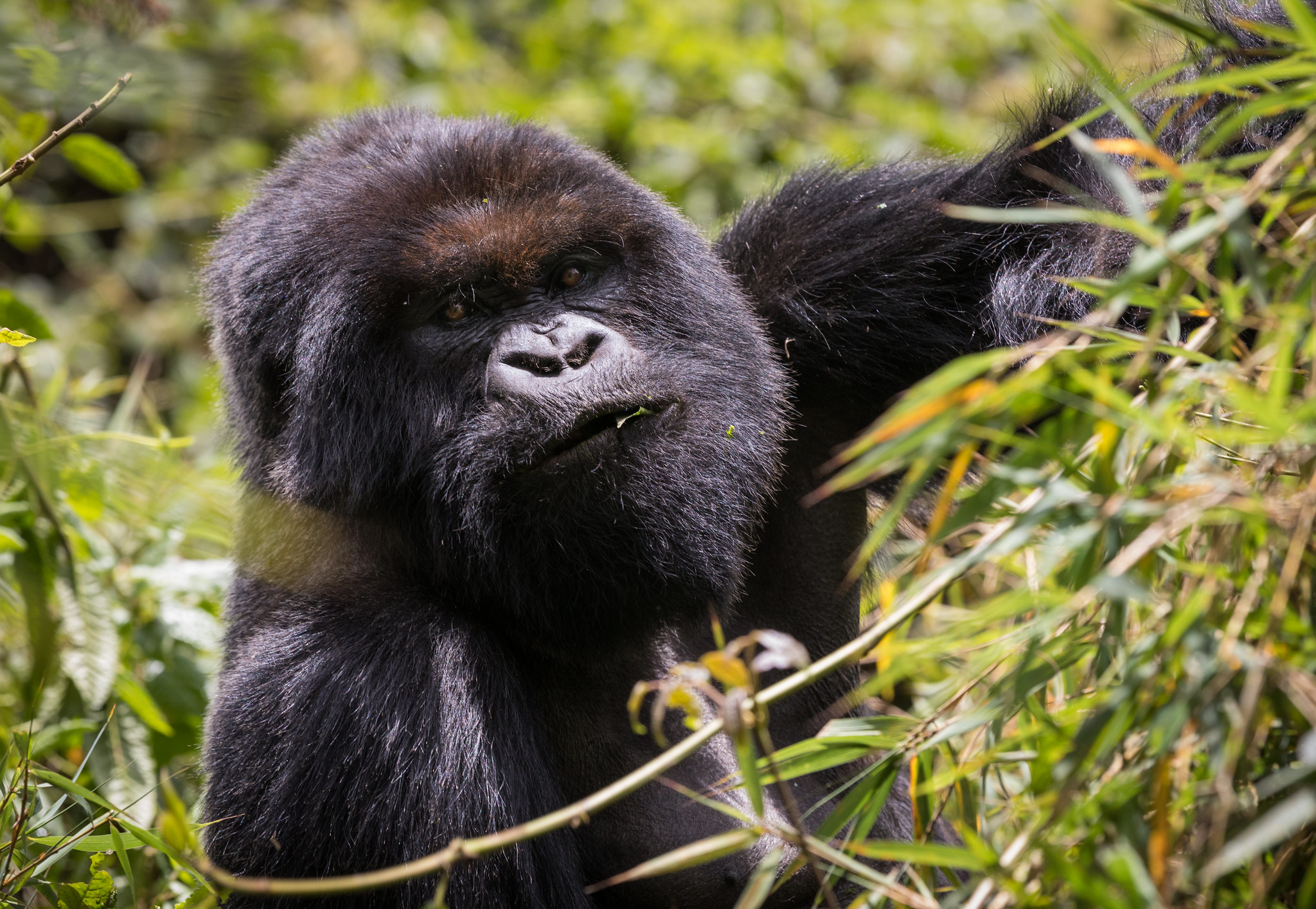
Where You Can Trek
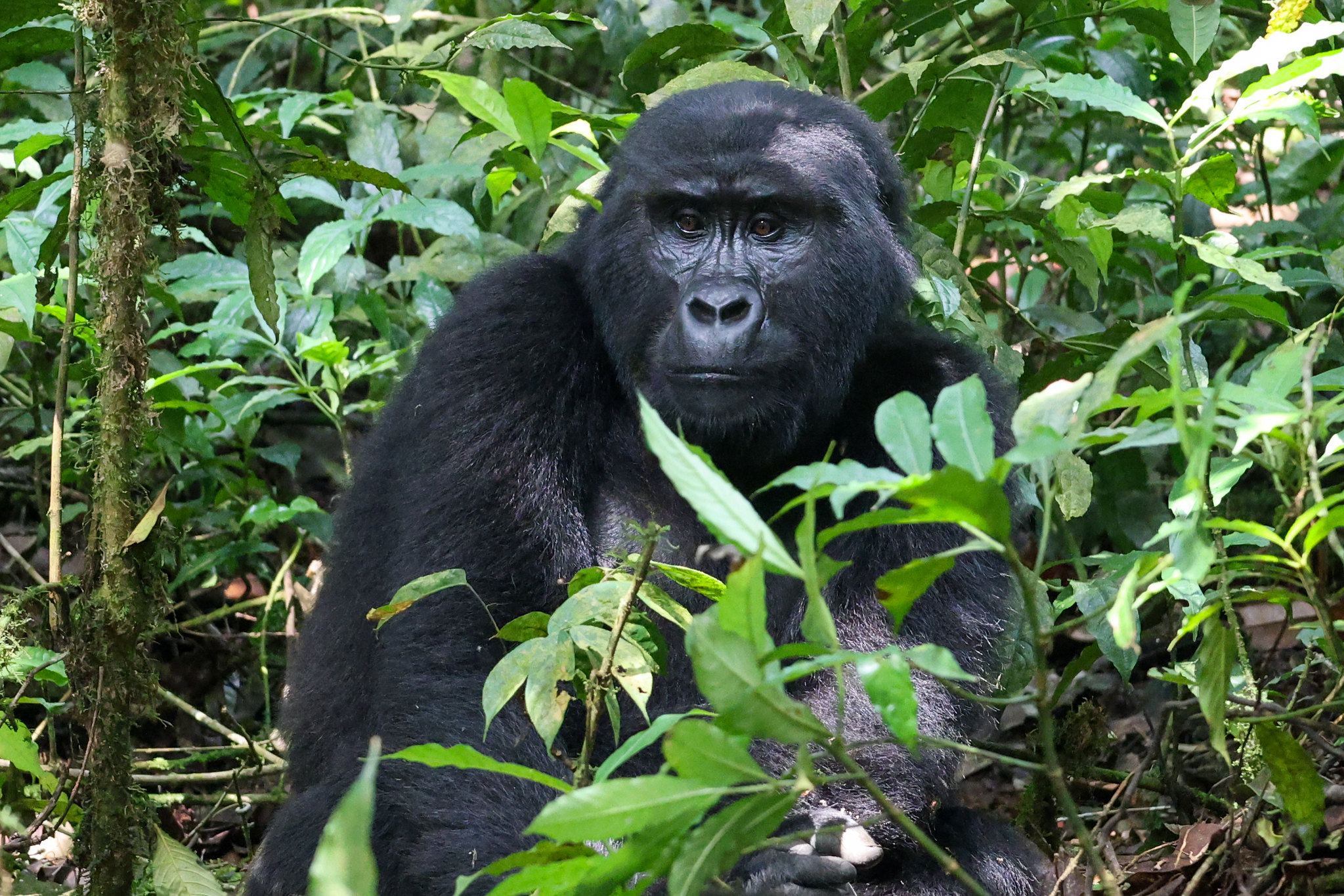
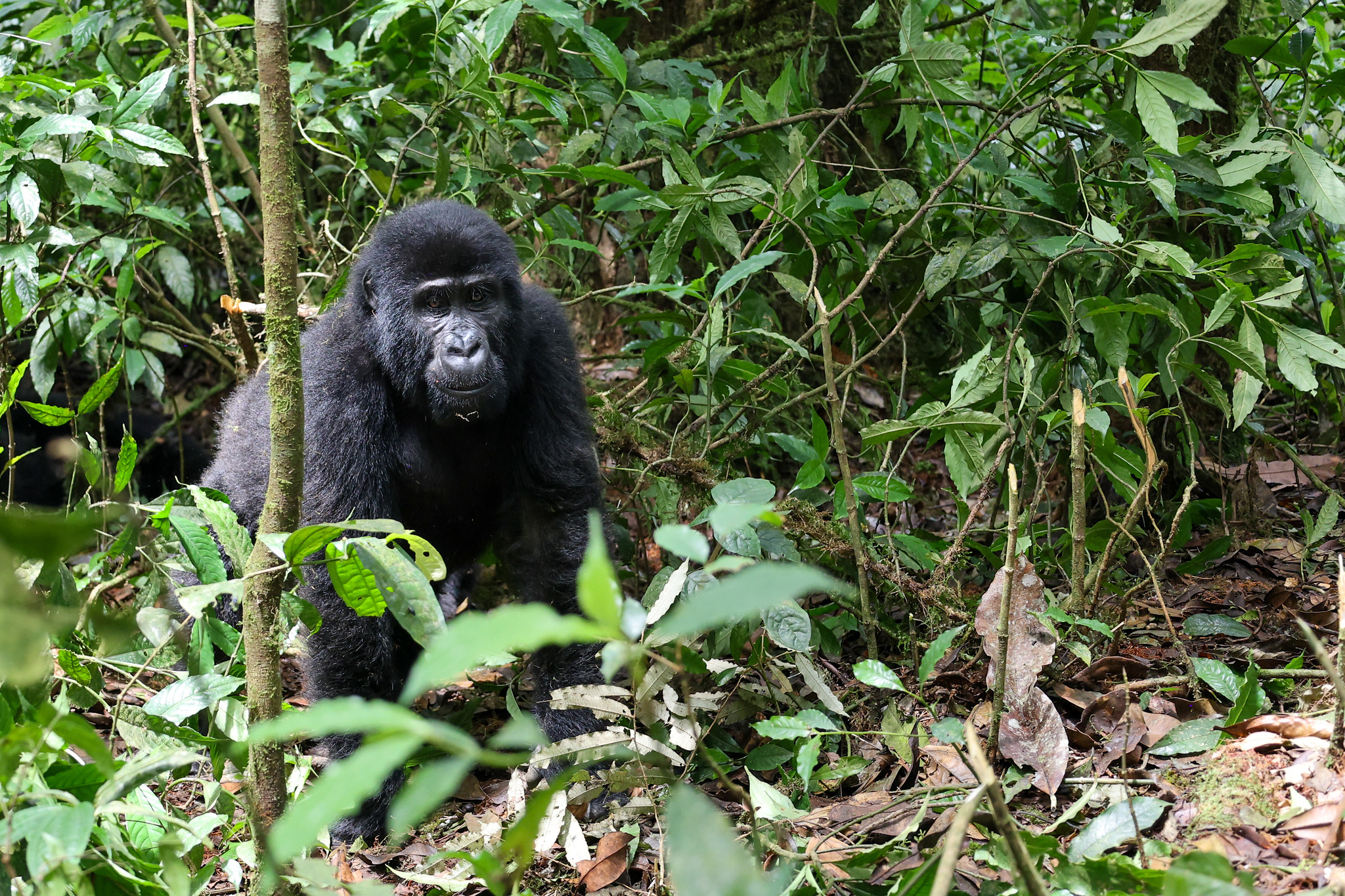
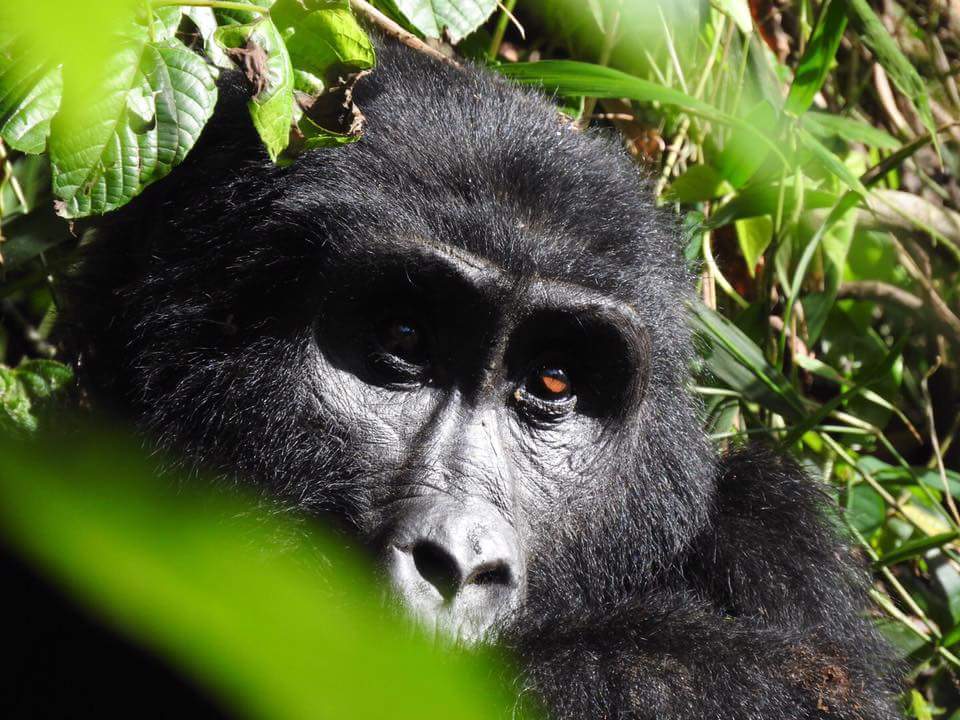
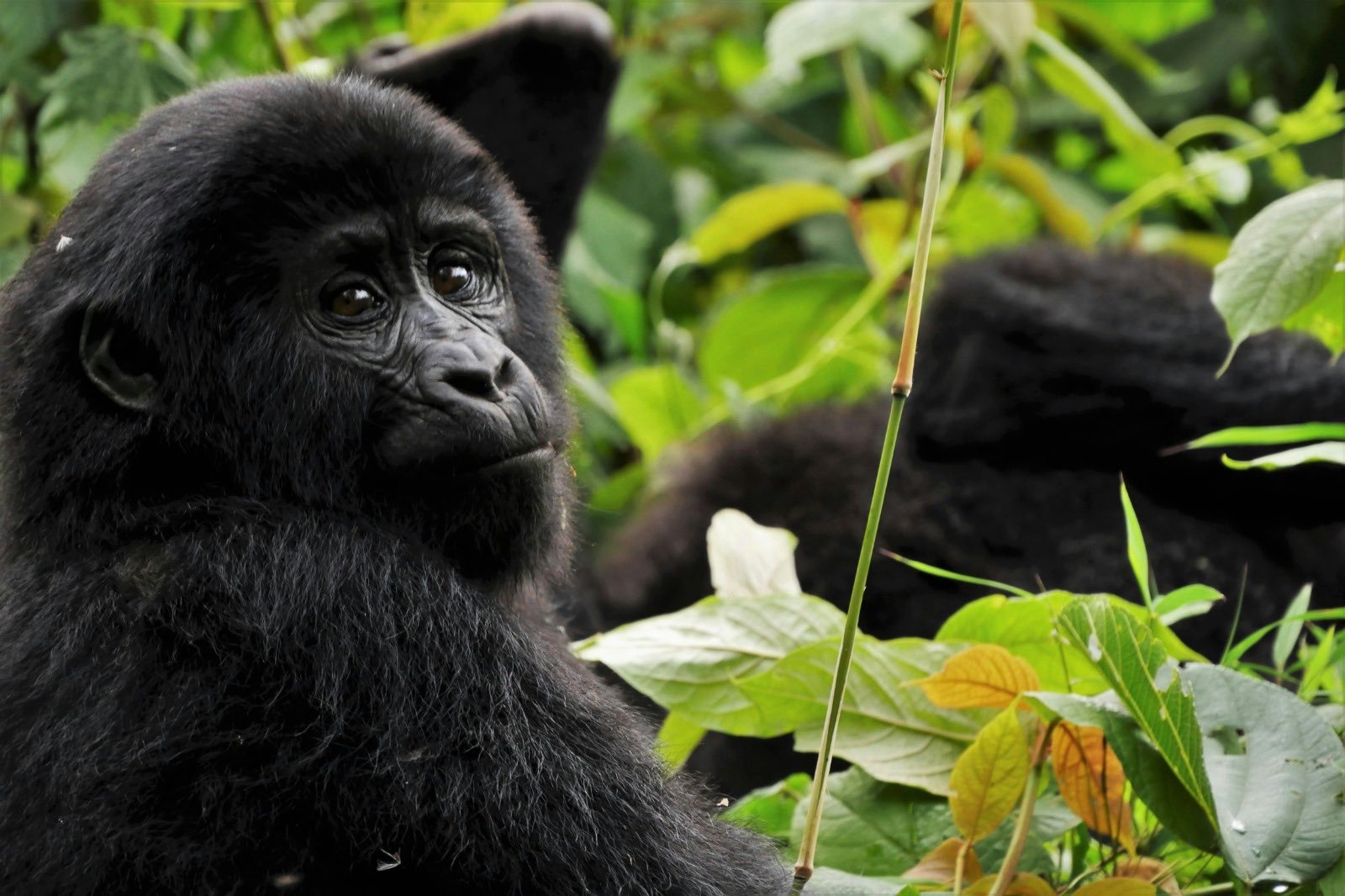
Bwindi Impenetrable National Park holds the largest population of mountain gorillas anywhere and more than twenty habituated families across four trekking sectors — Buhoma in the north, Ruhija in the east, and Rushaga and Nkuringo in the south. Your permit is issued for a specific sector, and that decides where you sleep the night before your trek. Booking a lodge in the wrong sector is the single most common and most expensive mistake independent travellers make.
Mgahinga Gorilla National Park offers a different landscape entirely: open bamboo slopes on the flank of the Virunga volcanoes, with long views and a single habituated family. It pairs naturally with golden monkey tracking.
Volcanoes National Park in Rwanda is the fastest option — two to three hours from Kigali airport on good roads, so a trek is possible on a long weekend. It costs considerably more. Our guide to Uganda versus Rwanda compares the two honestly.
What a Permit Costs in 2026
Under the tariff the Uganda Wildlife Authority announced in February 2026, a standard Uganda permit is USD 800 for foreign non-residents, USD 700 for foreign residents, USD 500 for African citizens and UGX 300,000 for East African citizens. Rwanda charges USD 1,500 year-round.
The most useful change for 2026 is the return of low-season pricing: trek in April, May or November and a foreign non-resident permit drops to USD 600. Those months are wetter and the discounted permits cannot be rescheduled, so your dates need to be firm — but for a couple it is a USD 400 saving. Full detail sits in our 2026 permit guide and cost breakdown.
The Rule That Catches People Out
Since 1 March 2026 the Uganda Wildlife Authority no longer holds permits for seven days without payment. Full payment is due at the time of booking, and foreign non-residents must buy through a licensed Ugandan operator. In practice this means popular dates disappear quickly and “I’ll confirm next week” often costs you the date. For the dry seasons — June to September and December to February — book six to ten months ahead.
What the Day Actually Looks Like
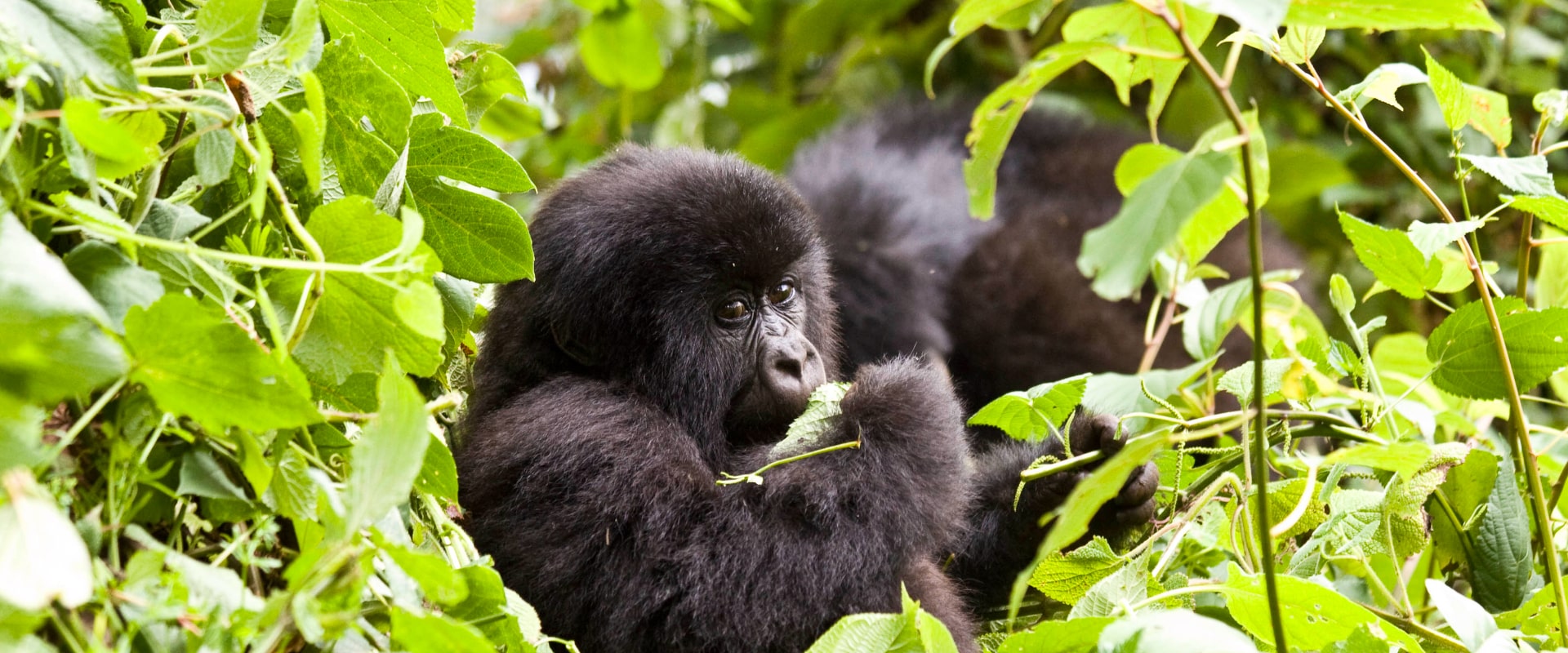
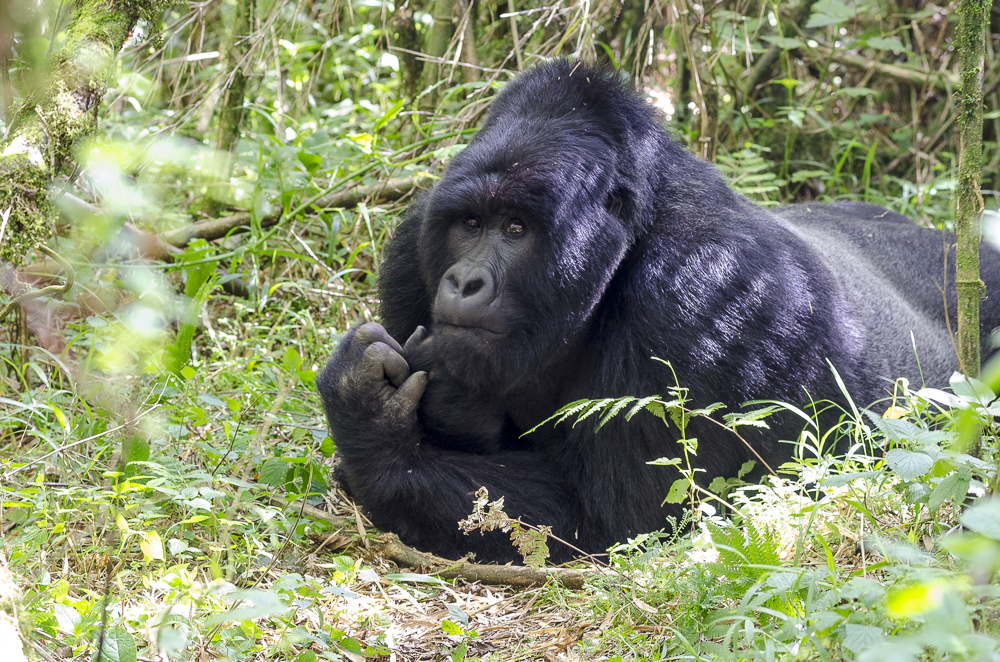
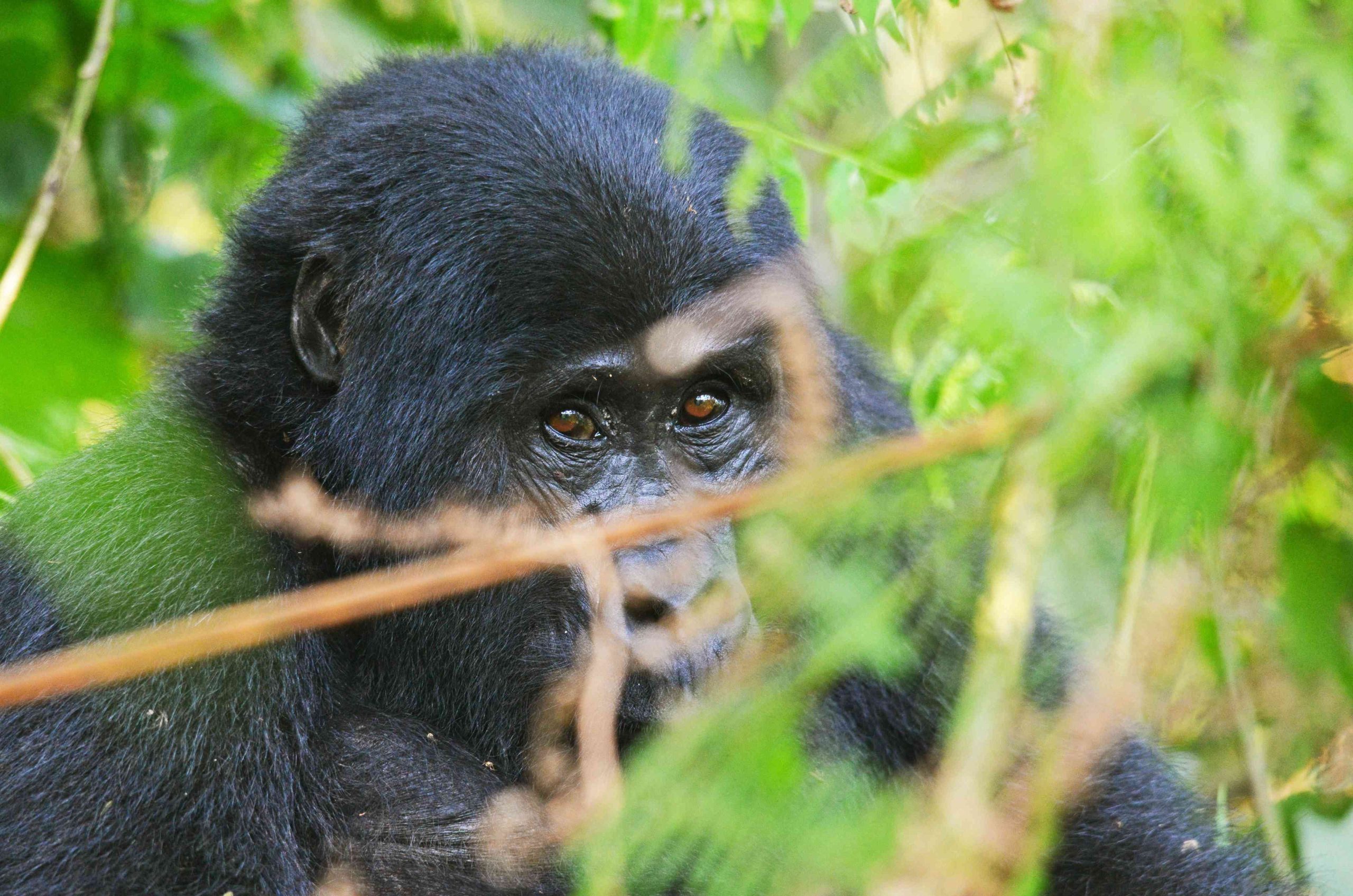
Briefing starts around 7:30 AM at the sector headquarters, where you are assigned a gorilla family matched to your fitness. The walk that follows may take one hour or most of the day; trackers radio ahead with the family’s position. When you reach them, you leave your bags, keep a ten-metre distance and wear a mask — gorillas share around 98% of our DNA and human respiratory illness can be fatal to them. Then the hour begins. Sightings run above 95%, and hiring a porter for USD 15–20 is worth it whatever your fitness: it employs the community and leaves you free to watch rather than scramble.
Going Deeper: The Habituation Experience
Uganda offers something Rwanda does not. In Bwindi’s Rushaga sector, a maximum of four visitors per day join researchers for up to four hours with a semi-habituated family. It is the closest a traveller gets to the work of gorilla conservation itself. Read about the habituation experience before you decide.
When to Go
Trekking runs every day of the year and the gorillas do not migrate, so no month is a bad month. The dry seasons give firmer trails and clearer light; the rains give lush forest, fewer people, lower lodge rates and — in April, May and November — a cheaper permit. Bwindi is equatorial rainforest, so pack waterproofs whenever you come. Our month-by-month guide lays it out.
Practical Essentials
The minimum age is 15 in both countries, with no upper limit — porters and, where needed, sedan chairs assist older trekkers. Uganda’s single-entry e-visa is USD 50; the East Africa Tourist Visa covering Uganda, Rwanda and Kenya is USD 100 and is the better buy for a combined trip. Bring broken-in boots with ankle support, waterproofs, garden gloves for grabbing vegetation, and travel insurance that covers trekking.
Choose Your Safari
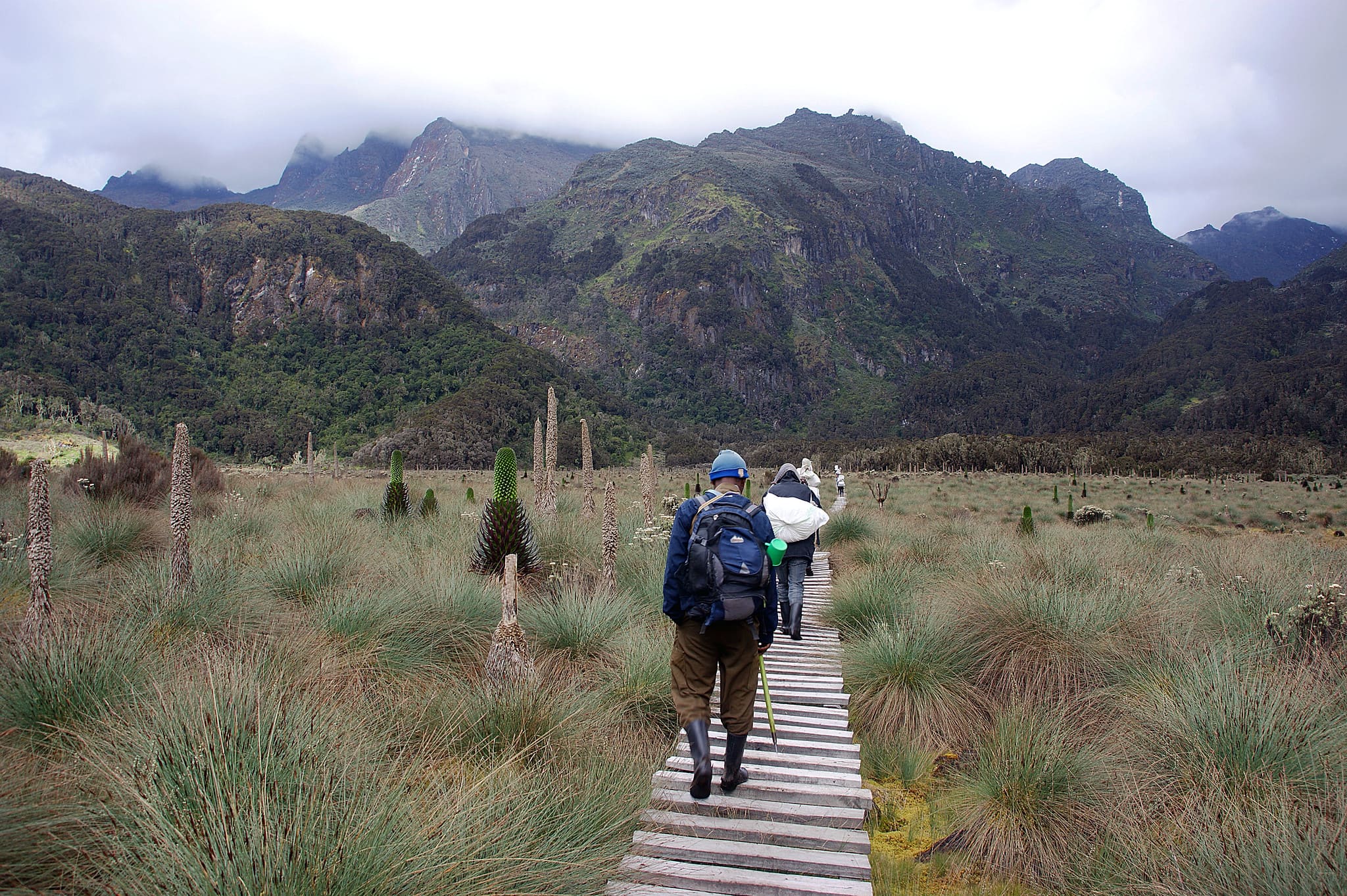
Our gorilla itineraries run from a three-day trek out of Kigali through to multi-week Uganda and Rwanda expeditions, and several combine gorillas with chimpanzees, savannah game drives or a Rwenzori climb. Browse the packages below, or tell us your dates on the safari planning form and we will check live permit availability the same day.