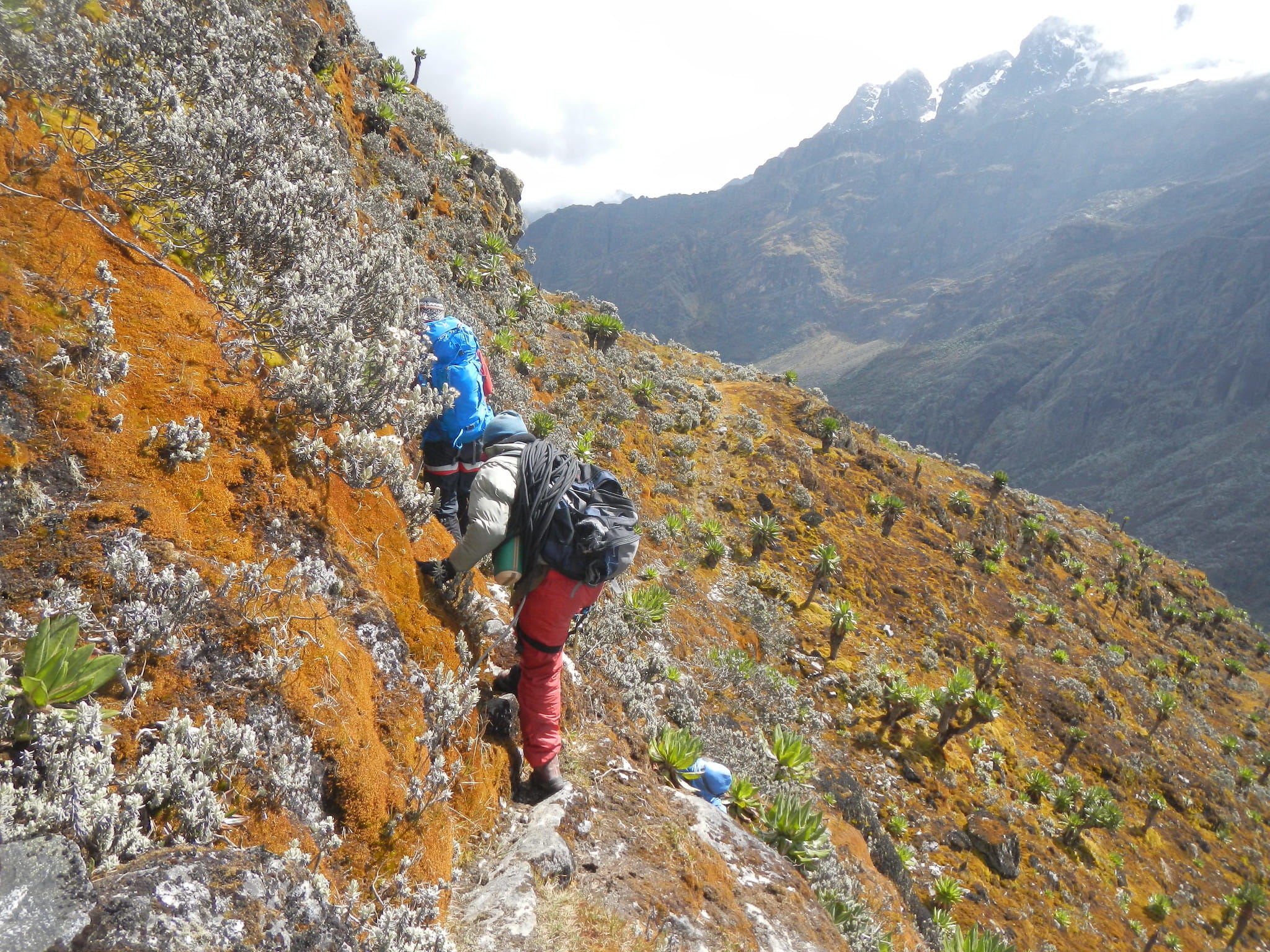
Packing for a trek in the Rwenzori Mountains requires preparation, but less is often more. Your gear should keep you safe, warm, and comfortable while allowing mobility in the high-altitude environment. Here’s a complete guide to what to wear and bring for a successful trek.
Essential Gear & Clothing
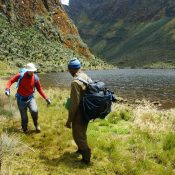
Day Pack / Small Bag
- A lightweight, durable backpack to carry water, sunglasses, rain gear, camera, binoculars, and snacks.
- Large enough to hold everything needed for the day, as main luggage is not accessible during the trek.
Footwear
- Two pairs recommended: trekking boots and training shoes.
- Both should be mid-weight with good ankle support for rocky or slippery trails.
Gaiters
- Optional, but useful for keeping trousers clean in wet, muddy, or dusty conditions.
Socks
- Bring 3–4 pairs of outer socks, 2–3 liner socks, and thick thermal socks for summit nights.
Gloves & Hats
- Heavyweight, insulated, water-resistant gloves for warmth.
- Thermal hat for nights and a sun-protection hat for daytime.
Clothing Layers
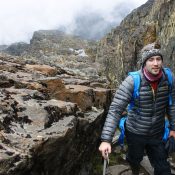
- Lightweight and medium-weight trekking trousers.
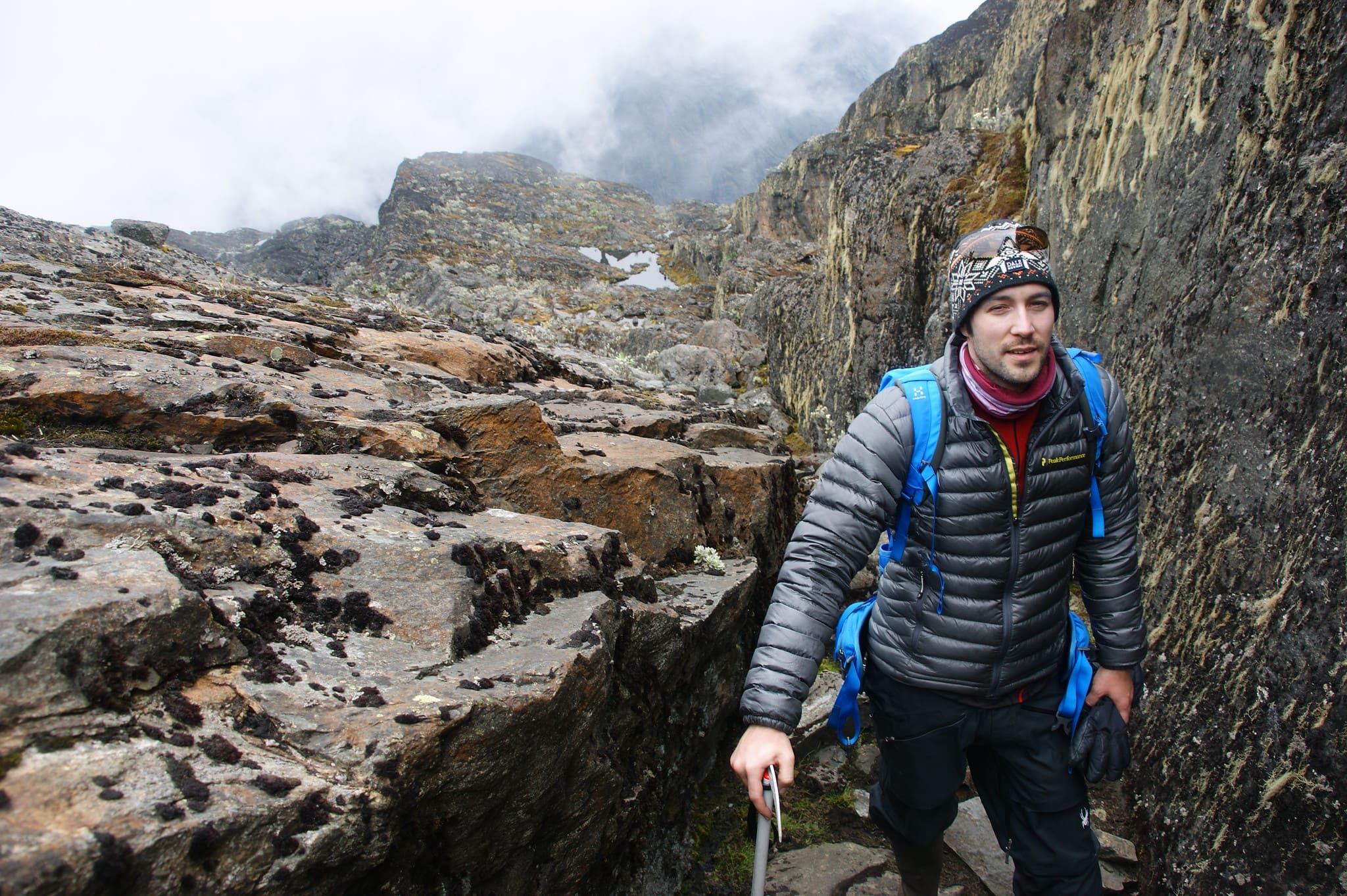
- Warm insulated jacket for evenings and summit days.
- Waterproof jacket and rain pants.
Accessories
- Sunglasses with 100% UV protection.
- Sunscreen and unscented moisturizer.
- Lip balm, face mask, personal toiletries, and anti-bacterial wipes.
- Headlamp with spare batteries.
- Binoculars and camera equipment with extra memory and batteries.
High-Altitude & Technical Gear
Sleeping Bag
- 0°F (-15°C) recommended, can rent or bring your own.
- Include a sleeping bag liner for hygiene and added warmth.
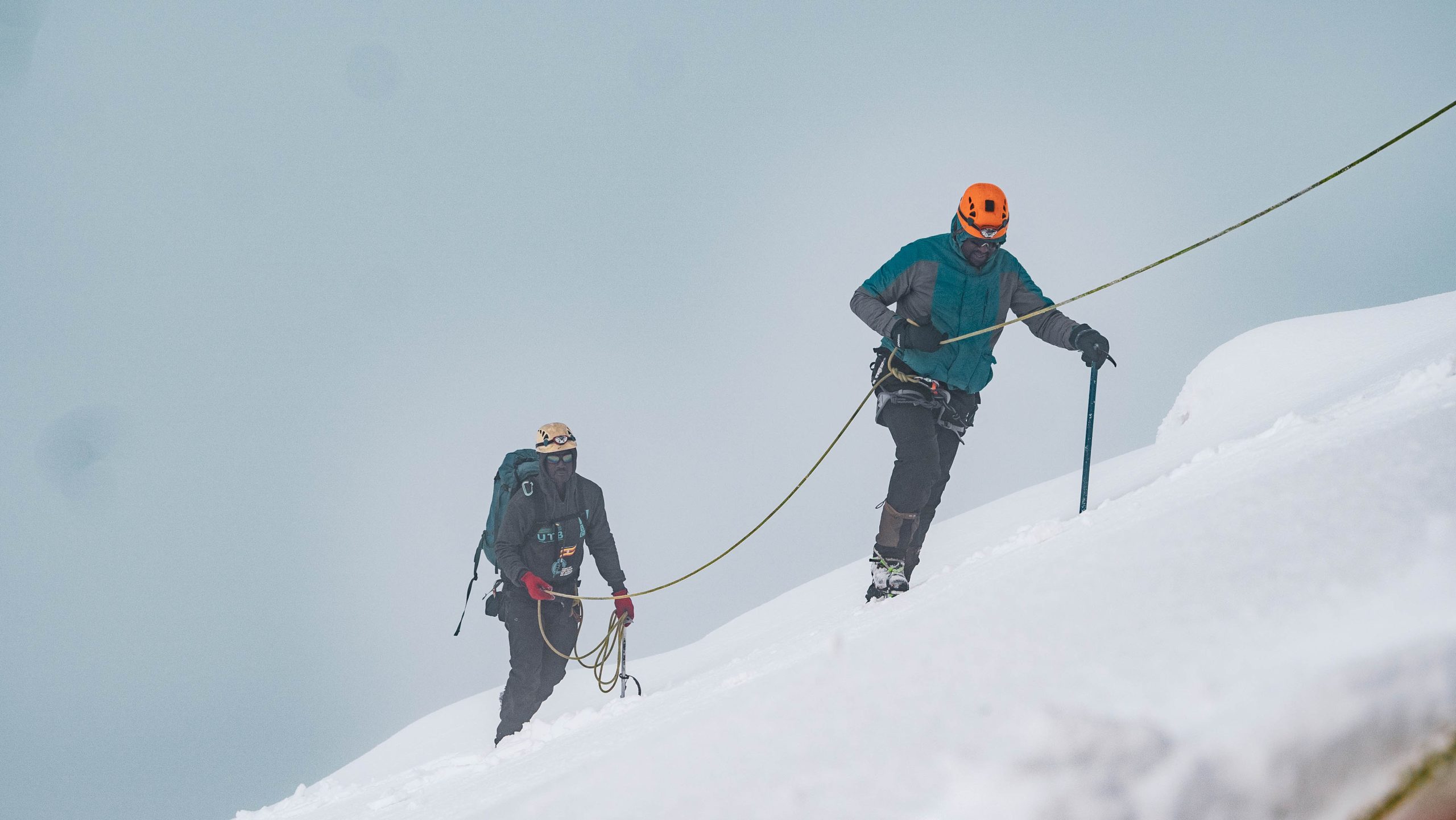
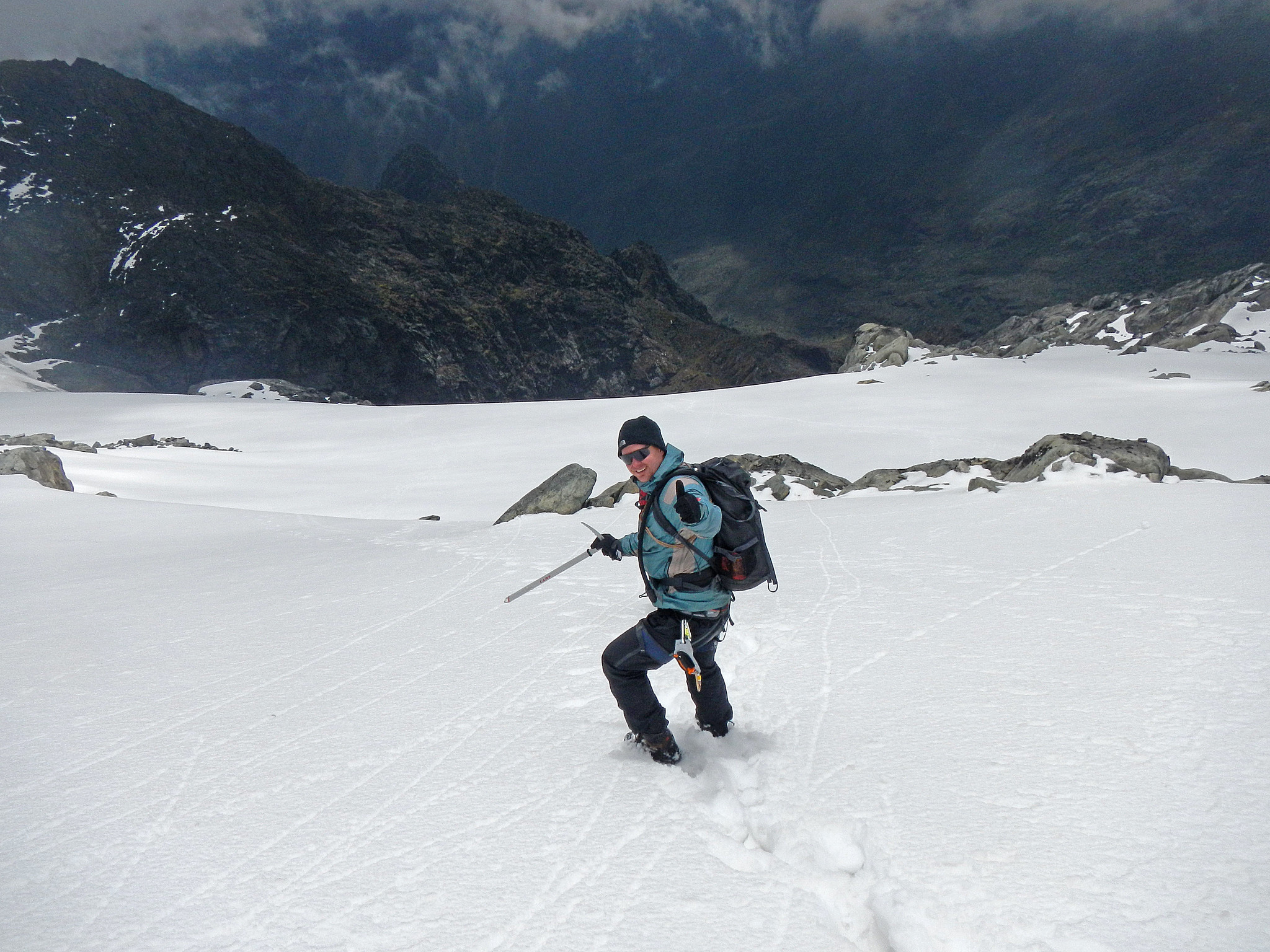
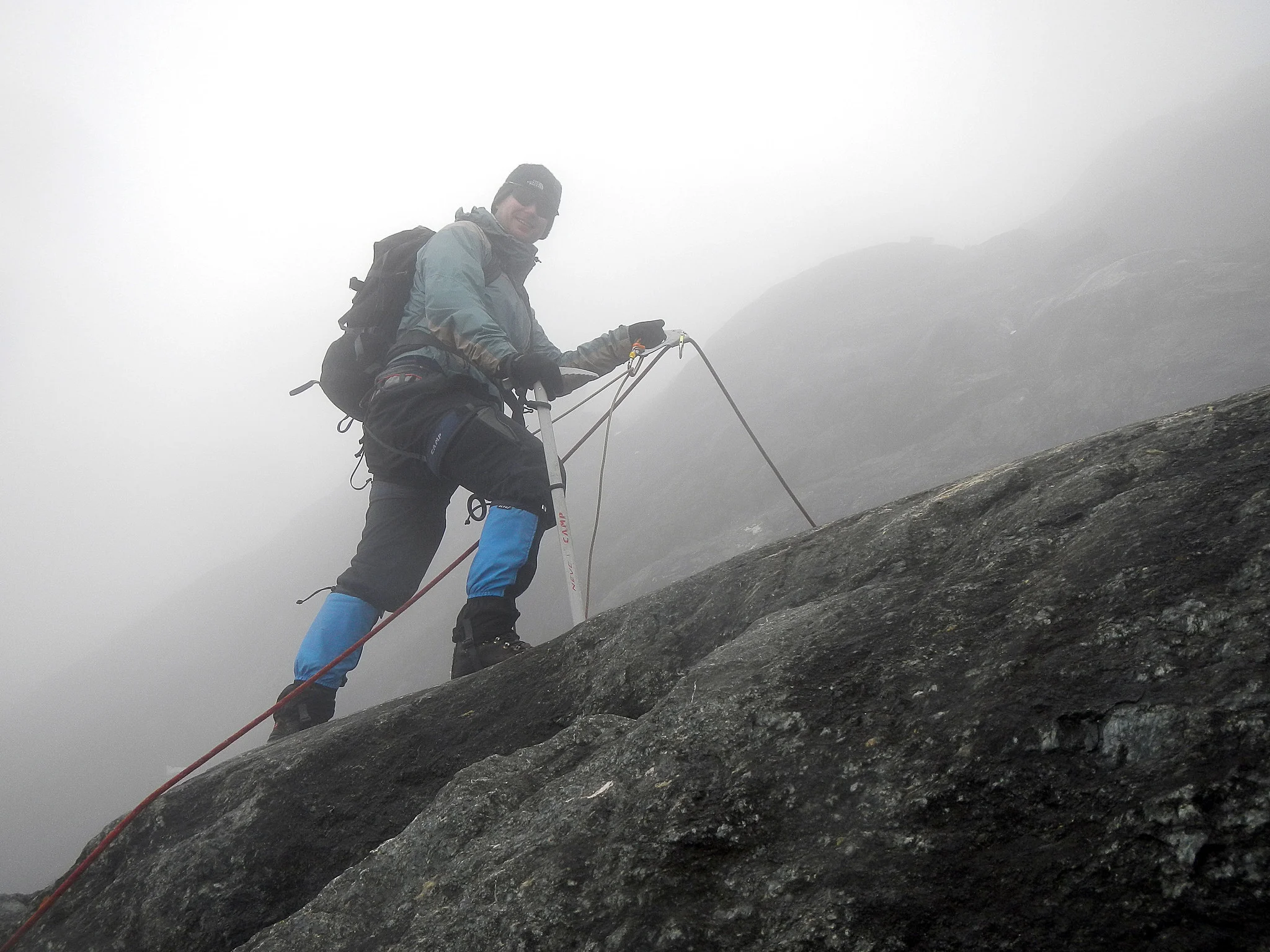
Crampons & Harness
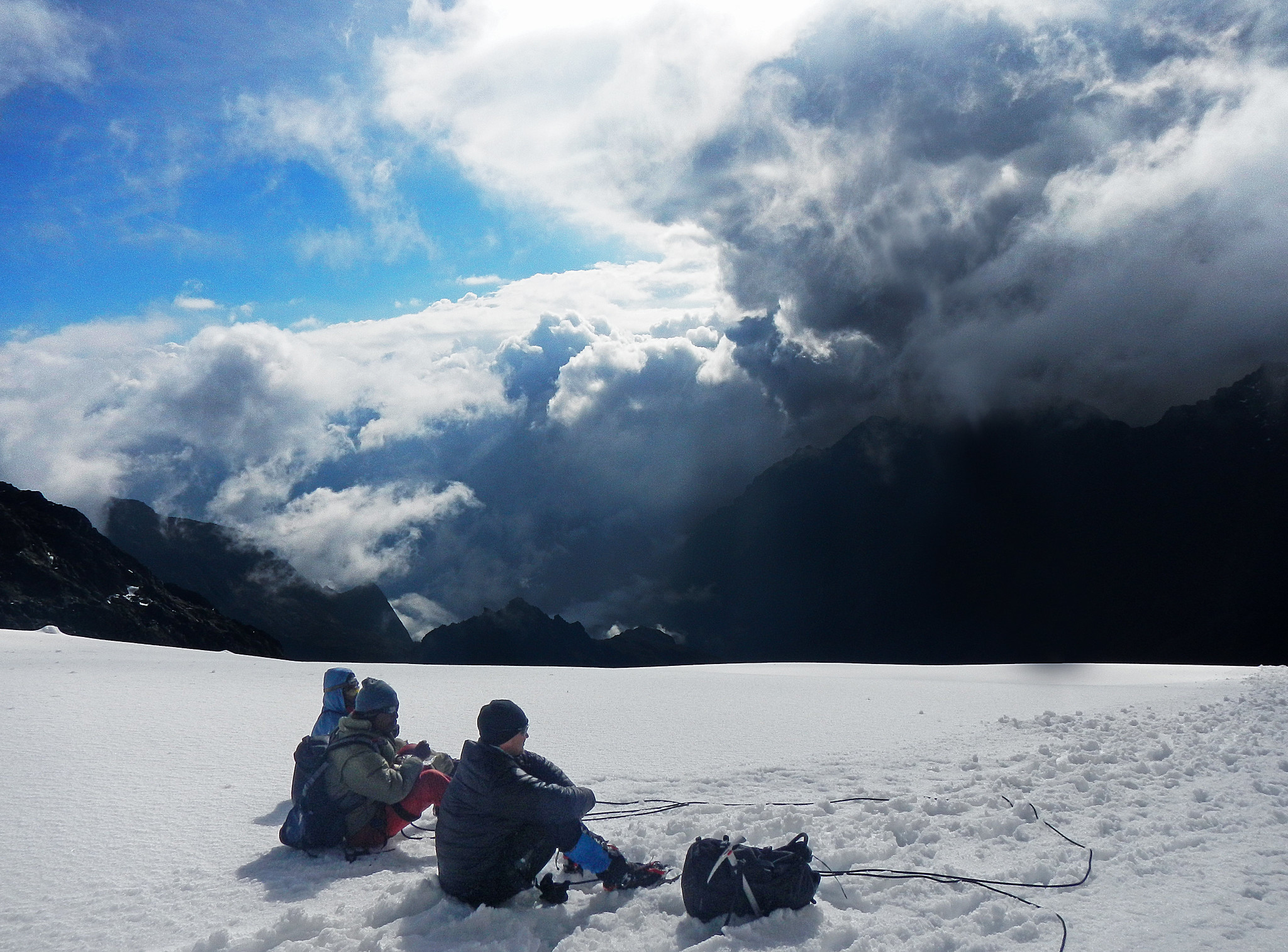
- Required for icy or glaciated sections.
- Rentable locally or bring your own; ensure you differentiate between ice and glacier crampons.
Trekking Poles
- Optional but helpful for balance and reducing fatigue on long treks.
Miscellaneous Essentials
- Personal first aid kit including prescription medicines.
- Plug adapter for charging devices before/after the trek.
- Snacks like energy bars, nuts, and dried fruit.
- Passport, visas, airline tickets, and extra money.
- Small flashlight, travel alarm clock, and optional harness for safety on technical sections.
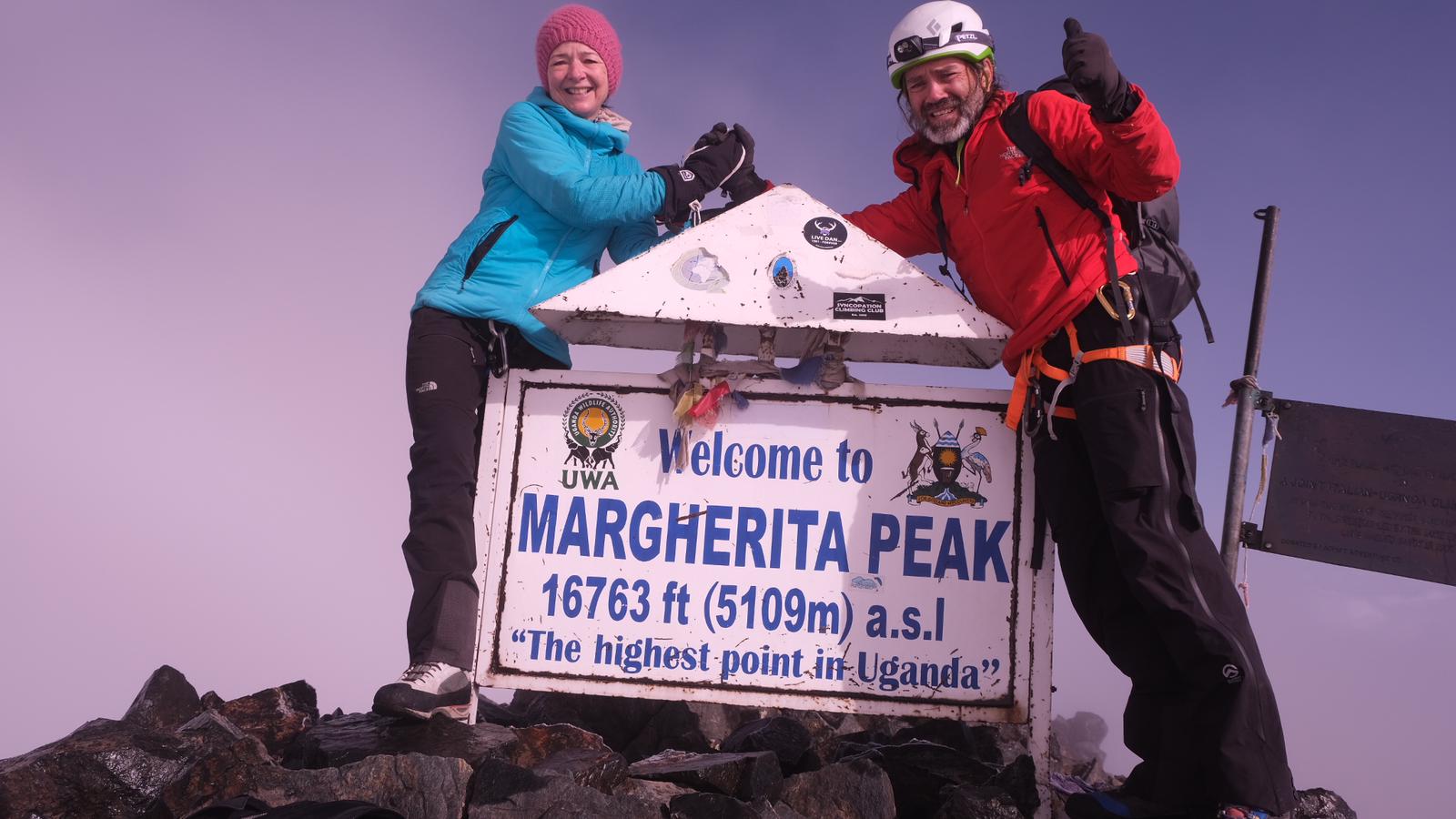
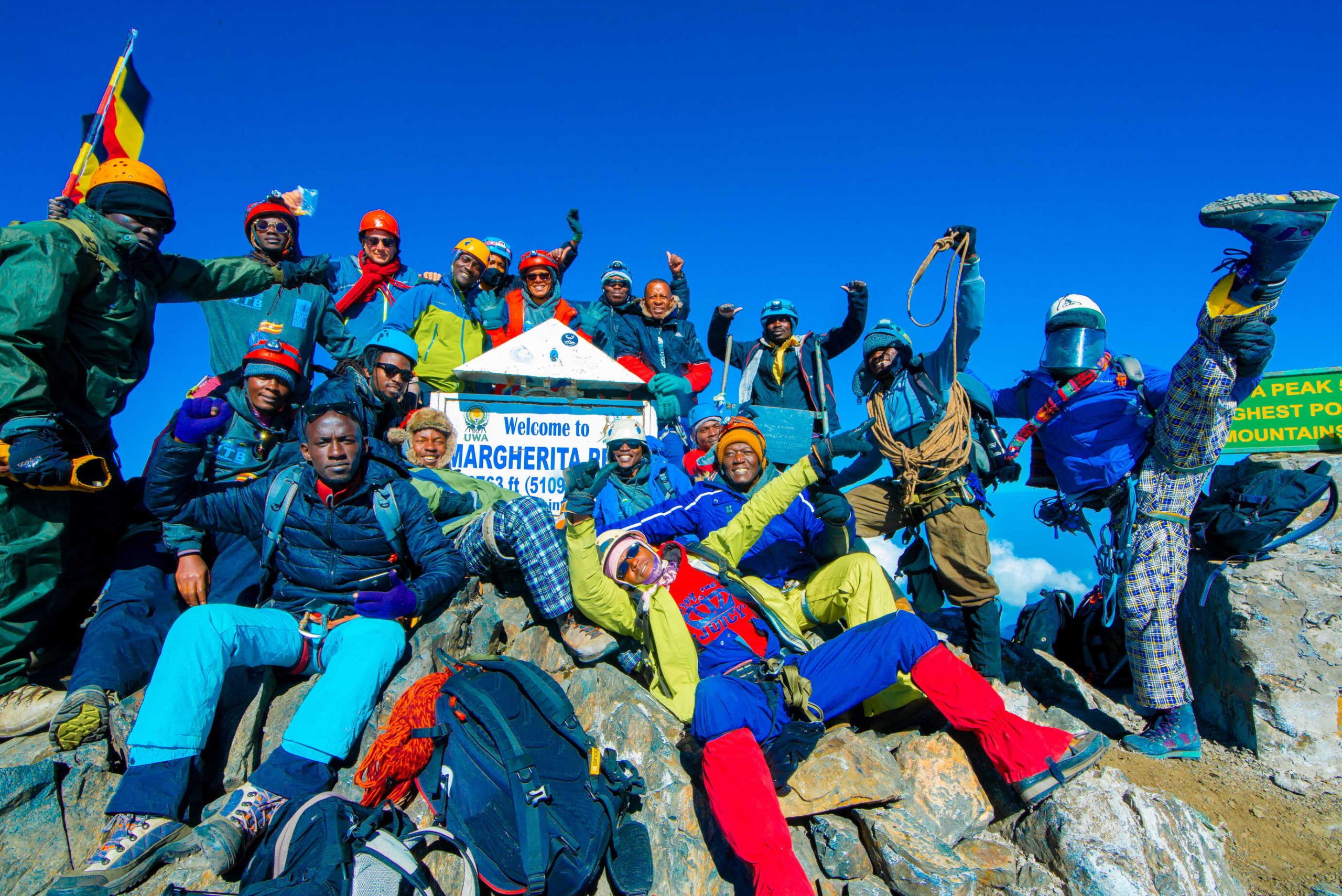
Safety Update: Hiking to Margherita Peak
The Uganda Wildlife Authority has resumed hiking to Margherita Peak with enhanced safety measures:
- A bridge over the Margherita Glacier crevasse.
- Additional climbing ropes on challenging sections.
- Routes are closely monitored for safety.
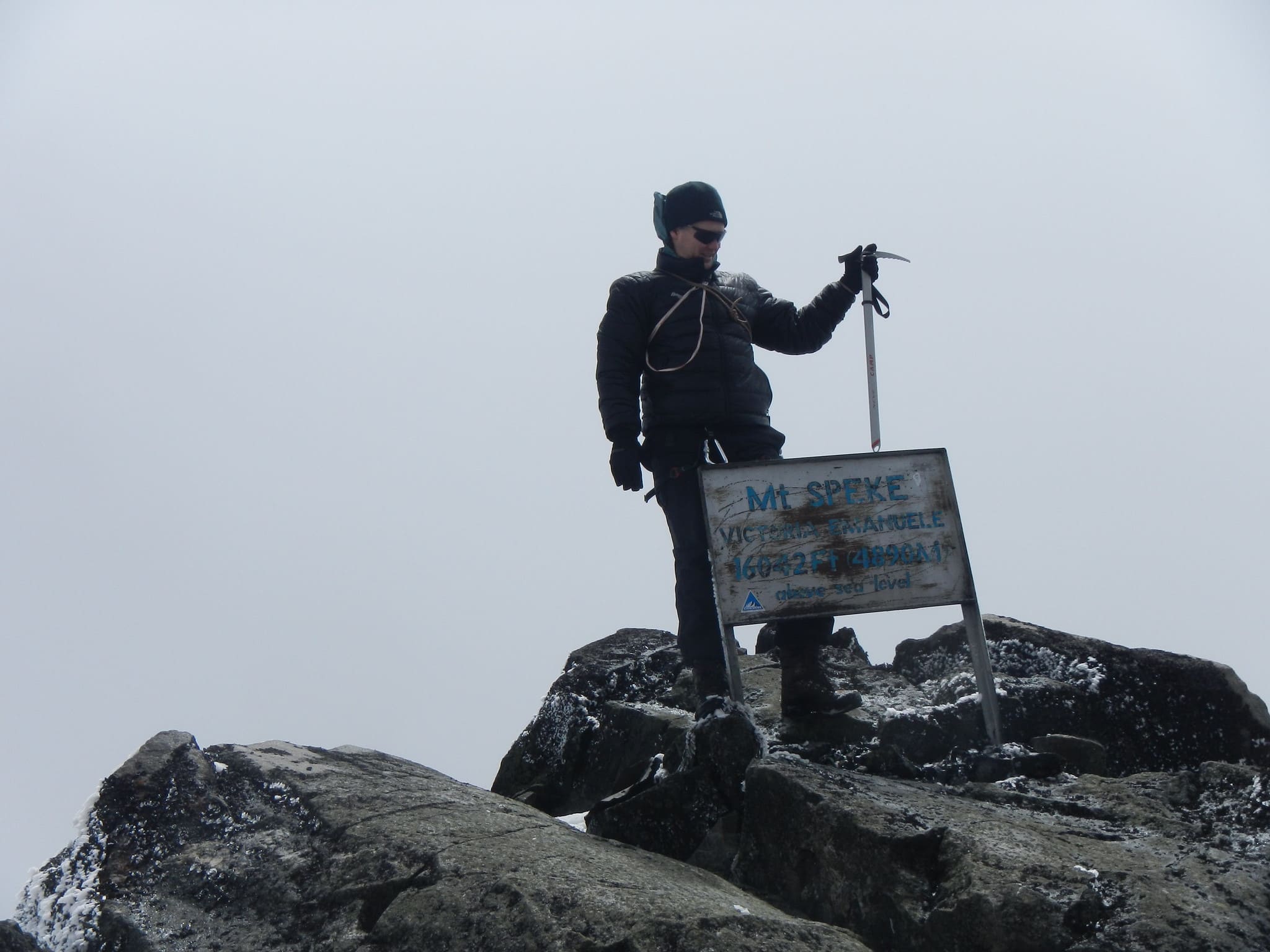
These improvements make summiting Margherita Peak safer and more enjoyable. Beyond Margherita, trekkers can explore Mount Speke, Mount Baker, and Cheptegei Peak, each offering a unique alpine adventure.
Tip: Proper gear is key to enjoying the Rwenzori Mountains safely. With the right clothing, technical equipment, and packing strategy, you’ll be prepared for the challenging trails, cold nights, and stunning scenery.
Ready to trek the Rwenzori Mountains? Contact In Motion Gorilla Safaris to plan your expedition with expert guidance.