Discover the Mountain Gorillas of East Africa
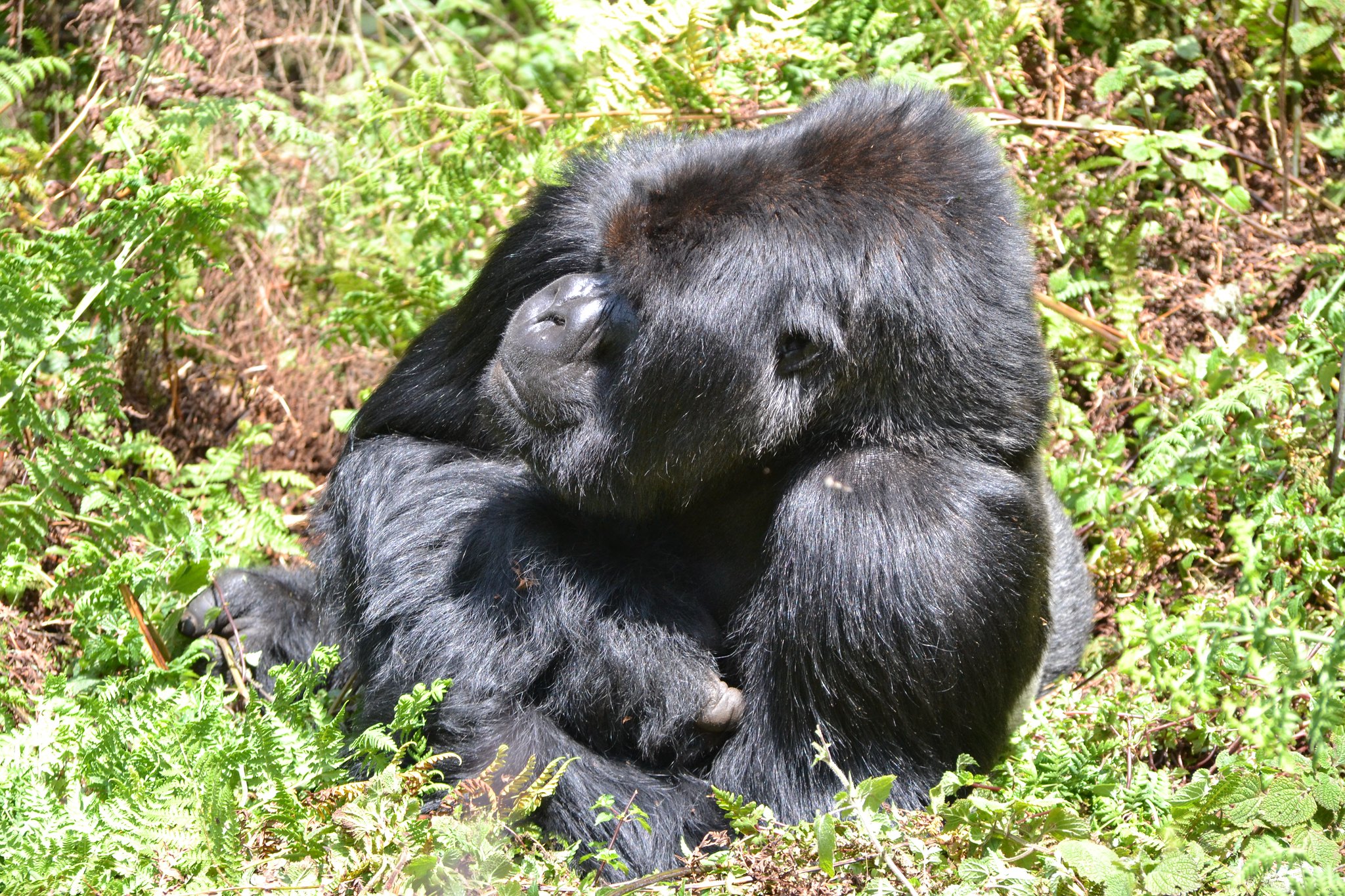
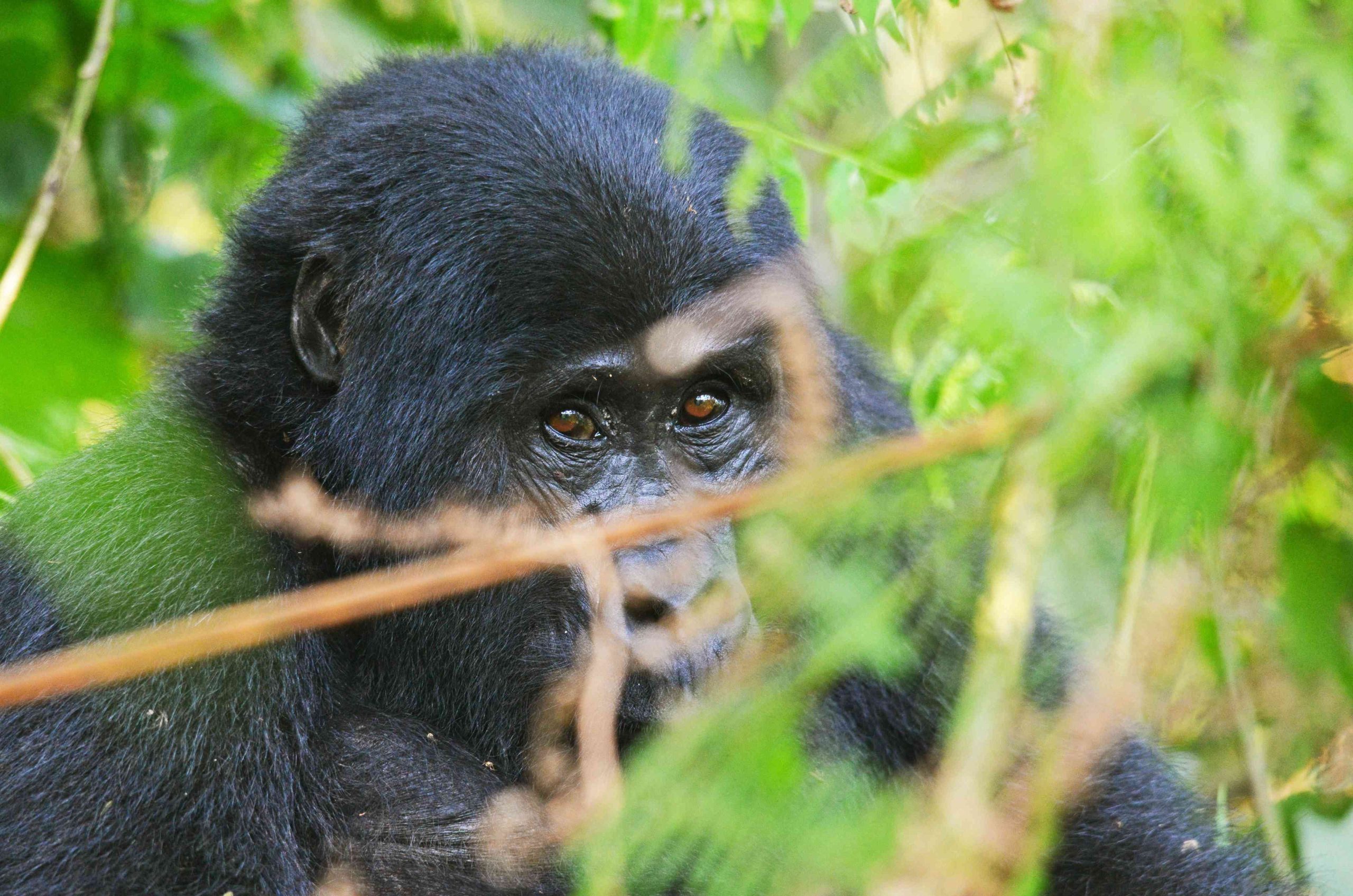
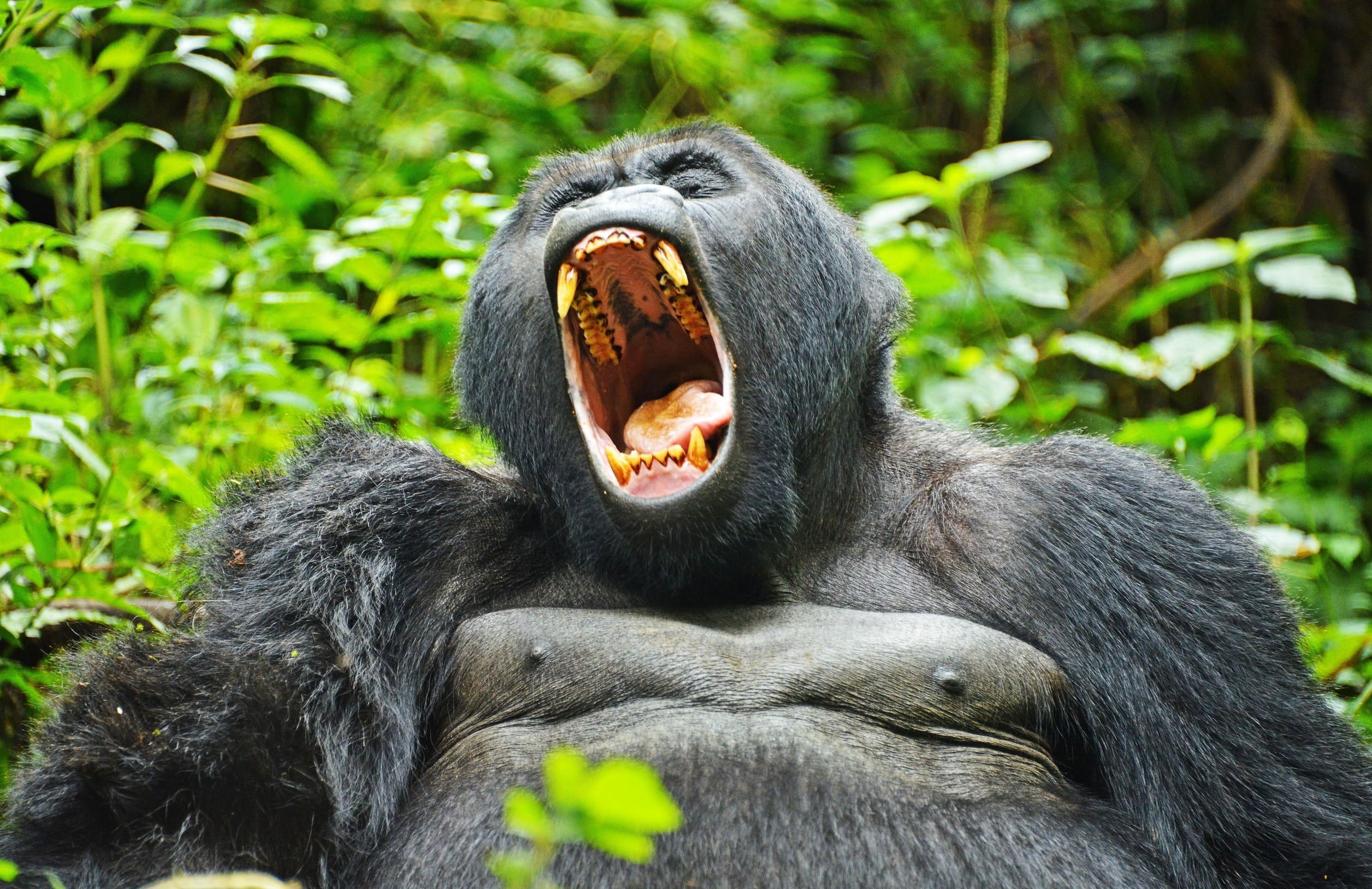
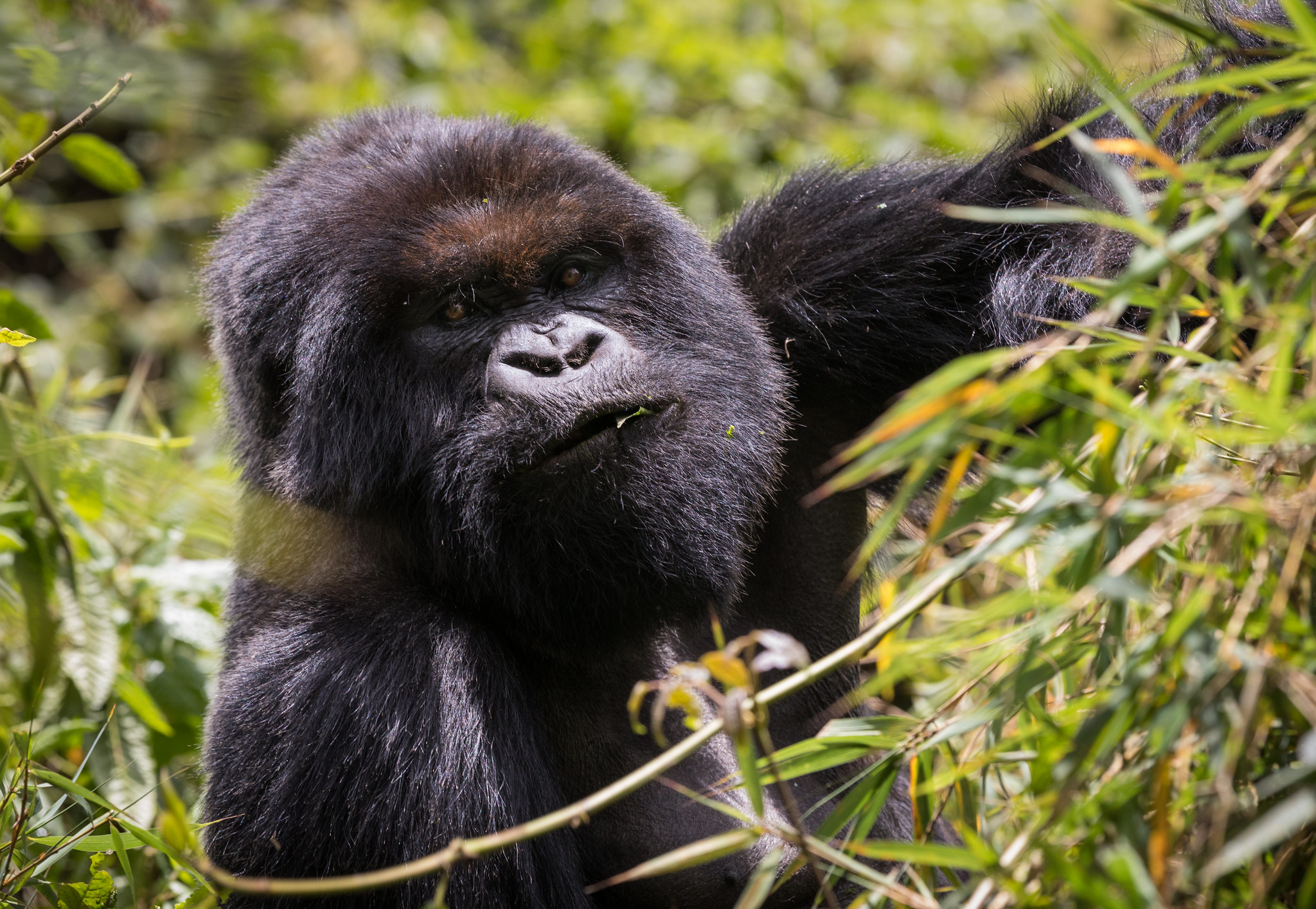
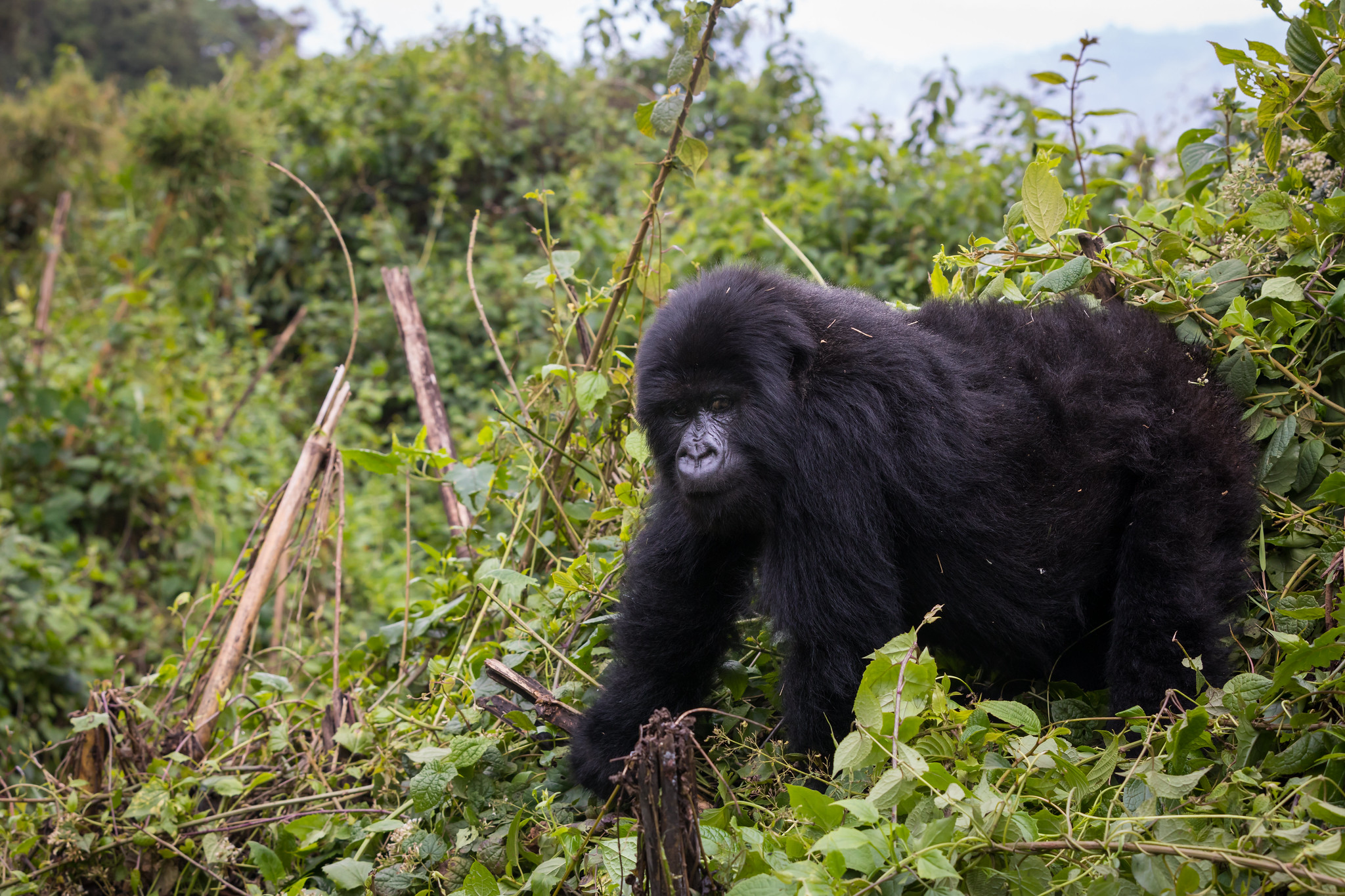
The mountain gorilla represents one of nature’s most extraordinary marvels. These gentle giants, the largest living primates on Earth, embody intelligence, strength, and an unmistakable family-centered grace. As one of the world’s most endangered species, a gorilla safari offers not just an unforgettable adventure, but also an opportunity to support critical conservation efforts across the African continent.
Uganda proudly hosts over half of the world’s remaining mountain gorilla population—approximately 400 individuals living within the pristine impenetrable forests. Our expert guides and carefully managed trekking programs ensure that every visitor experiences these magnificent creatures in their natural habitat while prioritizing their welfare and long-term survival.
Mountain gorillas are the largest of all great apes, demonstrating remarkable cognitive abilities and complex social structures. Studies have shown they share even more genetic and behavioral similarities with humans than chimpanzees, making them invaluable subjects for understanding primate behavior and evolution.
These critically endangered species face numerous threats including habitat loss, disease, and poaching. Through responsible tourism and dedicated conservation programs, we contribute directly to gorilla protection and the preservation of their forest habitats.
Uganda’s Habituated Gorilla Families
Uganda is home to thirteen habituated gorilla families, each with distinct personalities, histories, and characteristics. Our knowledgeable guides can share fascinating stories about individual gorillas, family dynamics, and memorable encounters spanning decades of observation and research.
| Family Name | Location | Group Size | Notable Features |
| Mubare | Buhoma | 8 | Uganda’s oldest habituated family; historic silverback Ruhondeza |
| Habinyanja | Buhoma | 17 | Peaceful coexistence with Rushegura; rich water-based habitat |
| Rushegura | Buhoma | 19 | Calm, curious group; occasionally visit lodge areas |
| Bitukura | Ruhija | 14 | Four silverbacks; successful habituation in 15 months |
| Oruzogo | Ruhija | 25 | Rapid growth; frequent births demonstrate healthy dynamics |
| Nkuringo | Nkuringo | 19 | Habituated to reduce human-wildlife conflict; adaptive behavior |
| Nshongi | Rushaga | 26 | One of the largest groups; excellent viewing opportunities |
| Mishaya | Rushaga | 12 | Led by fierce silverback known for strategic family building |
| Kahungye | Rushaga | 13 | Recently habituated; active and engaging group dynamics |
| Bweza | Rushaga | 9 | Newest family; unique separation and independence story |
| Busingye | Rushaga | 9 | Strong, confident group with legendary silverback leader |
| Nyakagezi | Mgahinga | 10 | Only family in Mgahinga; cross-border range; unpredictable movements |
Trekking Regions & Locations
Bwindi Impenetrable National Park
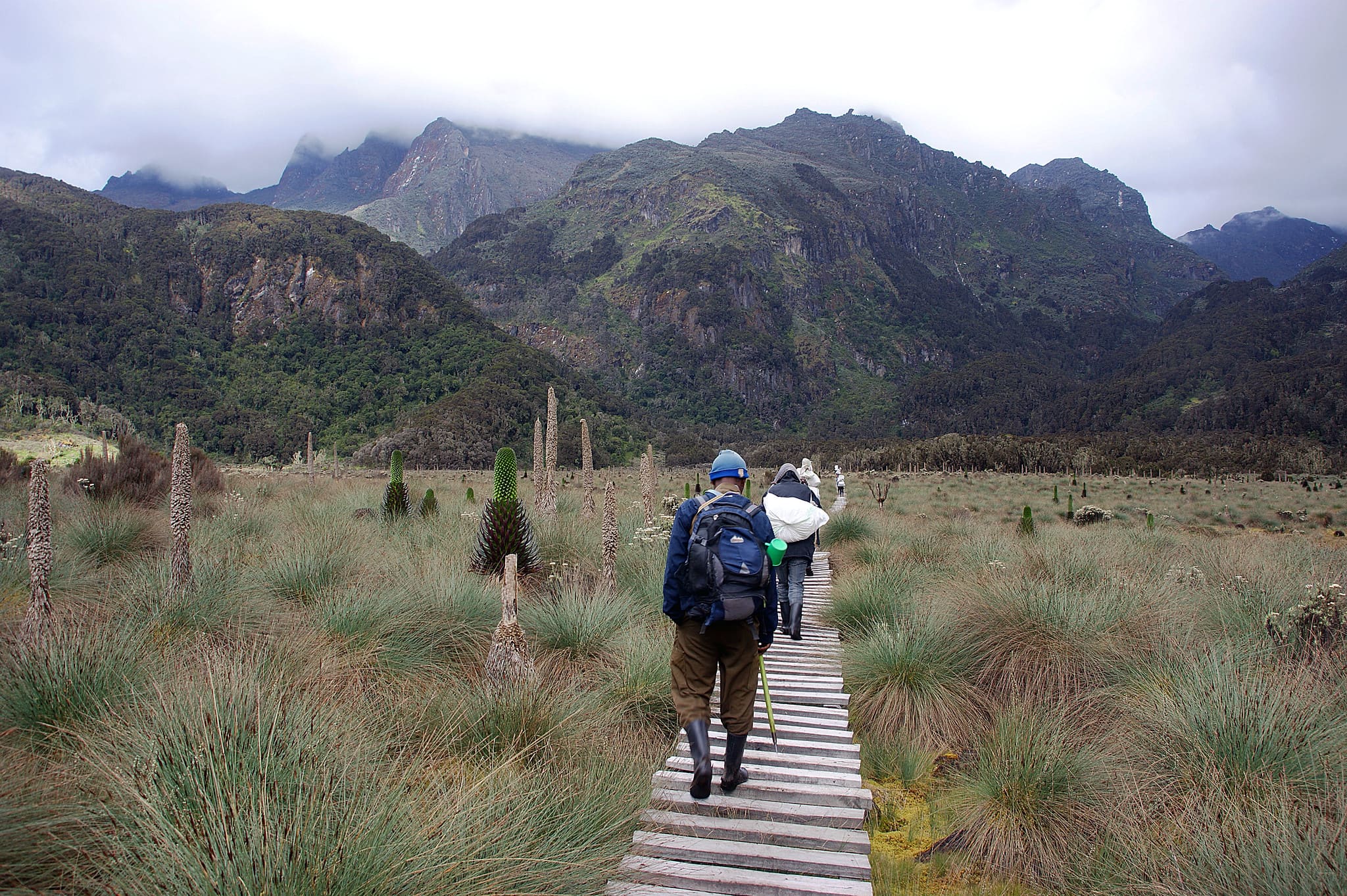
A UNESCO World Heritage Site and Africa’s premier mountain gorilla destination, Bwindi encompasses four primary trekking zones, each offering unique landscapes and gorilla family encounters:
Buhoma Area: Home to three habituated families: Mubare, Habinyanja, and Rushegura. Ideal for first-time trekkers; moderate terrain and reliable sightings.
Ruhija Area: Features four families: Bitukura, Oruzogo, and the research-only Kyaguriro group. More challenging terrain; less crowded; excellent photography opportunities.
Nkuringo Area: Home to the Nkuringo family. Remote, mountainous setting; stunning vistas; best for experienced hikers.
Rushaga Area: The largest trekking sector with five families: Nshongi, Mishaya, Kahungye, Bweza, and Busingye. Most group permits available; varied difficulty levels.
Mgahinga Gorilla National Park
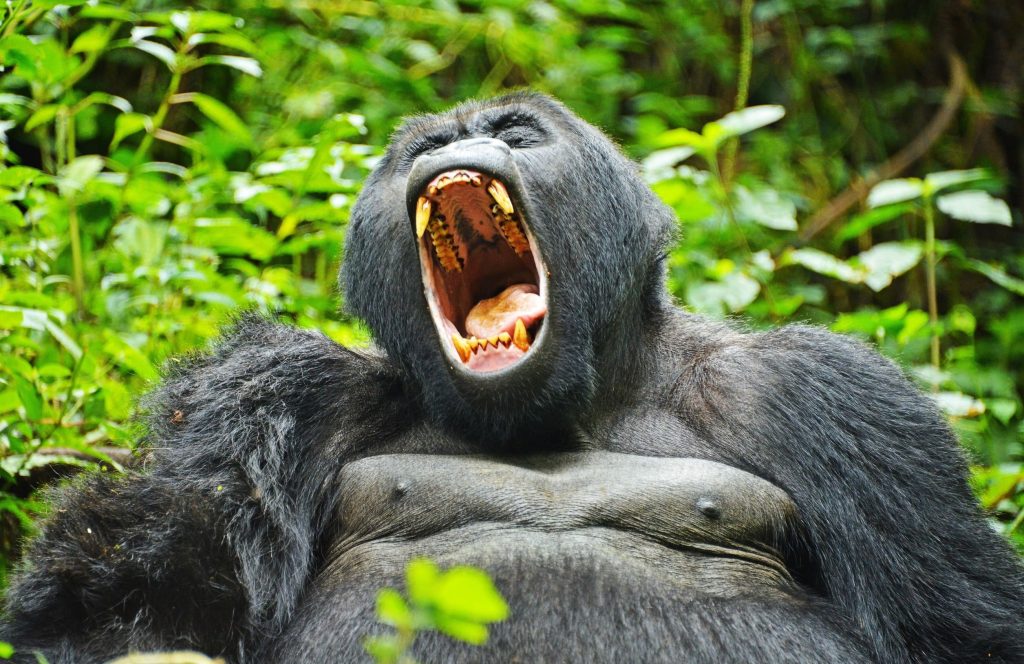
Mgahinga National Park hosts the single Nyakagezi gorilla family on the lower slopes of the Virunga volcanoes. This remote location offers a more adventurous, less-trafficked trekking experience. Note: Nyakagezi exhibits unpredictable cross-border behavior; permits require special booking through Uganda Wildlife Authority headquarters.
Essential Trekking Guidelines
Responsible tourism ensures the health and safety of both our guests and the gorillas. All trekkers must adhere to the Uganda Wildlife Authority’s comprehensive safety and conservation protocols:
Before Your Trek
- Maximum Group Size: Only 8 visitors per gorilla family per day. This limit minimizes behavioral disruption and reduces disease transmission risks.
- Health Preparation: Thoroughly wash your hands before departure. If experiencing any contagious symptoms, we offer alternative trekking dates or full refunds.
During the Trek
- Maintain Complete Silence: Speak only in whispers. Your ranger guide may answer questions quietly.
- Follow Your Guide: Trust your ranger’s expertise and follow instructions precisely.
- Leave No Trace: Pack out every item brought into the forest. Do not litter.
- Observe Wildlife: Look for nesting sites and other forest inhabitants along the trail.
When You Meet the Gorillas
- Maintain 7 Meters (23 feet) Distance: This critical buffer protects gorillas from human disease.
- Move Deliberately: Walk slowly and carefully. Avoid sudden movements.
- Never Make Direct Eye Contact: Gorillas interpret staring as a threat or challenge.
- Stay in a Tight Group: Remain close to your ranger and fellow trekkers.
- No Flash Photography: Use available light only. Proper camera settings are essential.
- No Eating, Drinking, or Smoking: Food residue increases disease transmission risk.
- Remain Calm if Charged: Crouch slowly, avoid eye contact, and let the gorilla pass. Never run.
- Maximum Visit Duration: Spend up to one hour with the gorillas, unless they become agitated.
- Silent Departure: Maintain quiet until you are 200 meters away from the group.
What to Bring: Trekking Essentials
Footwear: Sturdy hiking boots with excellent traction, broken in before your trek. Muddy slopes demand secure footing.
Clothing: Moisture-wicking layers; waterproof jacket; hat. Weather is unpredictable; dress in layers.
Hydration & Nutrition: Packed lunch and at least 2 liters of water. High-altitude hiking demands sustained energy.
Sun & Insect Protection: Sunscreen (SPF 50+), insect repellent, and possibly anti-malarial medications.
Camera Equipment: Extra batteries and memory cards. Recommended film: 400-800 ASA. No flash allowed.
Optional Items: Binoculars for wildlife observation (available for rental on-site).
Health & Safety for Gorilla Protection
Mountain gorillas are highly susceptible to human pathogens. Our health protocols protect these vulnerable populations:
- If ill or contagious, inform your operator immediately. We will reschedule your trek at no cost.
- Cover your mouth and nose if coughing or sneezing near gorillas.
- Never share food, water bottles, or personal items with gorillas.
- If nature calls in the forest, inform your ranger. A 30 cm hole will be dug and filled after use.
- Maintain the mandatory 7-meter distance at all times.
Rwanda: An Alternative Gorilla Destination
For guests unable to trek Uganda’s families, Rwanda offers seven additional habituated gorilla families with maximum 8 visitors per group. Rwanda’s gorilla families include:
Susa: 41 members. Rwanda’s largest group; highest-elevation trek; most challenging
Sabyinyo: Led by silverback Guhonda. Easily accessible; ideal for moderate fitness levels
Amahoro: 17 members. Peaceful family; steep approach; consistent sightings
Group 13: ~25 members. Expanding family; excellent behavioral observation
Kwitonda: 18 members. Cross-border rangers; moderate to difficult trek
Umubano: 11 members. Recently formed; dynamic leadership story
Hirwa: Mixed lineage. Newest family; diverse genetic background
Begin Your African Adventure
A mountain gorilla safari transcends ordinary travel. It is a journey into the heart of Africa’s wildest sanctuaries, an intimate encounter with our closest living relatives, and a profound commitment to conservation. Our expert guides, established relationships with gorilla families, and unwavering dedication to sustainable practices ensure that your trek leaves a lasting positive impact on these endangered populations.
Contact our safari specialists today to book your once-in-a-lifetime gorilla experience.