Semuliki National Park
Uganda
Nestled in the far western corner of Uganda along the border with the Democratic Republic of the Congo lies Semuliki National Park, one of the country’s most unique and biologically diverse protected areas. Gazetted as a national park in 1993, Semuliki protects East Africa’s only true lowland tropical rainforest, making it an exceptional destination for nature lovers, birdwatchers, and adventurous travelers.
Located in Bundibugyo District within the Bwamba region, the park covers roughly 220 square kilometers of dense forest ecosystems. Its location at the meeting point of several ecological zones contributes to its extraordinary biodiversity. The vegetation is primarily medium-altitude moist evergreen forest mixed with semi-deciduous forest, creating a rich habitat for wildlife.
Semuliki National Park hosts more than 60 mammal species, over 400 bird species, and hundreds of butterfly varieties. The park’s wildlife includes forest buffaloes, elephants, leopards, hippos, Mona monkeys, bush babies, civets, and the rare pygmy flying squirrel. Primates are particularly diverse here, with species such as red-tailed monkeys, vervet monkeys, blue monkeys, De Brazza’s monkeys, grey-cheeked mangabeys, olive baboons, black-and-white colobus monkeys, and chimpanzees inhabiting the forest.
The park also boasts an incredible insect population, with more than 300 butterfly species recorded, adding vibrant color to the forest environment.
Birdwatching in Semuliki
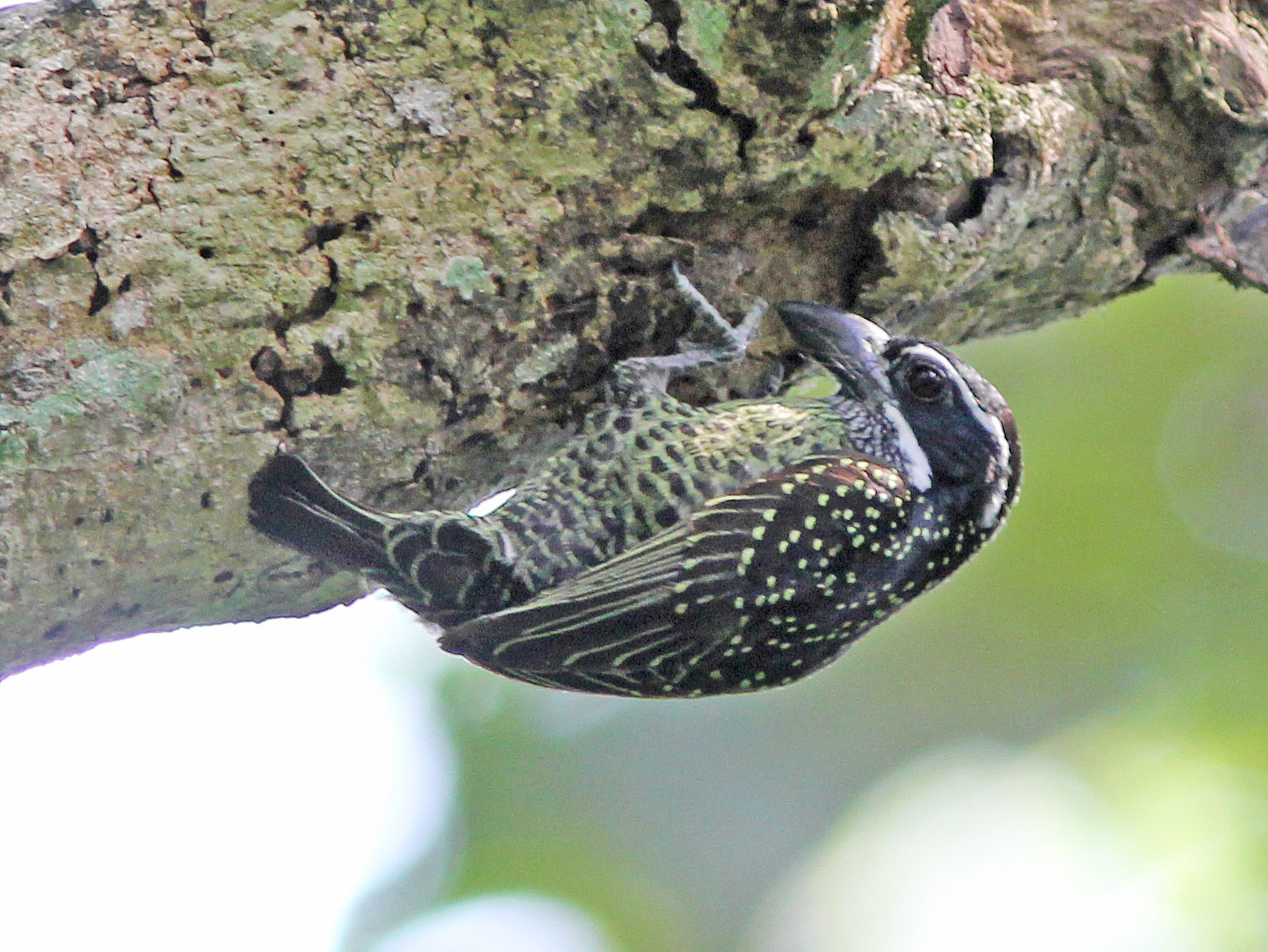
Semuliki National Park is one of Uganda’s most rewarding birding destinations, with about 400 recorded bird species. More than 200 of these are true forest birds, many of which are rarely found elsewhere in East Africa.
Notable species include the Lyre-tailed Honeyguide, Forest Ground Thrush, and Sassi’s Olive Greenbul. Birdwatchers visiting the park may also search for several rare species such as the Western Bronze-naped Pigeon, Yellow-throated Cuckoo, Piping Hornbill, Red-sided Broadbill, Xavier’s Greenbul, Capuchin Babbler, Yellow Longbill, Blue-headed Flycatcher, Red-billed Helmet-shrike, Crested Malimbe, Pale-fronted Antpecker, and Chestnut-breasted Negrofinch.
Prime birdwatching locations include the forest trails around Sempaya and Ntandi, where dense rainforest vegetation provides ideal habitats for many of these remarkable birds.
Sempaya Hot Springs
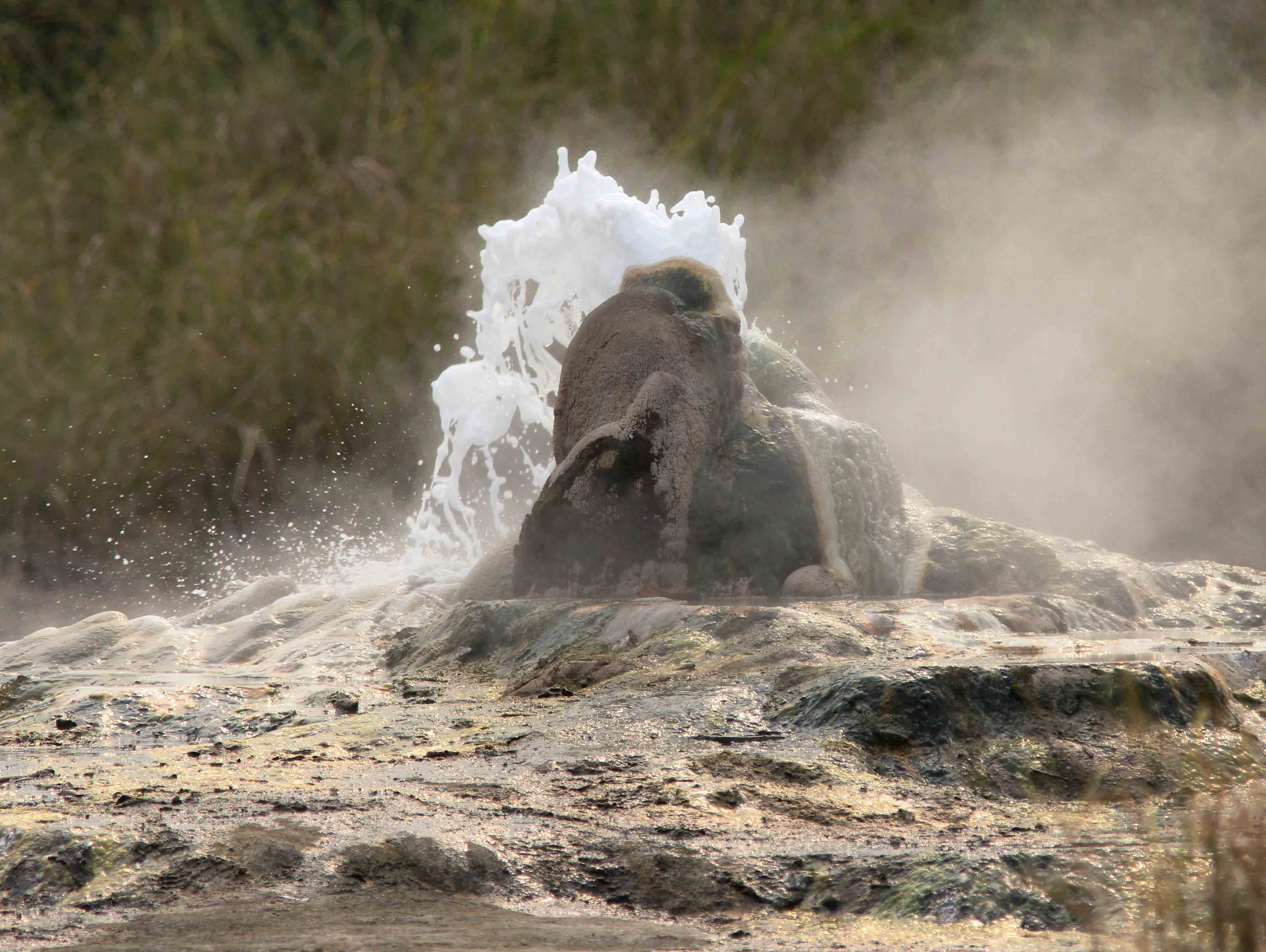
The most famous attraction in the park is the spectacular Sempaya Hot Springs. These geothermal hot springs are among the most dramatic natural features in Uganda.
A short guided walk from the Sempaya Information Centre leads visitors through forest trails to the springs. The most impressive geyser shoots boiling water up to two meters high from a mineral-covered opening in the ground. The water temperature exceeds 100°C, and local guides often demonstrate the heat by boiling eggs in the natural pools.
Along the trail to the hot springs, visitors may encounter red-tailed monkeys, grey-cheeked mangabeys, and black-and-white colobus monkeys moving through the forest canopy. Birds such as forest hornbills, Blue-breasted Kingfishers, Yellow-throated Tinkerbirds, Fraser’s Ant-thrush, and Honeyguide Greenbuls are also frequently observed.
Nature Trails and Forest Exploration
Semuliki National Park offers several trails that allow visitors to explore the rainforest environment on foot.
The Red Monkey Trail leads through the eastern part of the park toward the Semuliki River. This trail provides excellent opportunities to observe monkeys, birds, and occasionally larger animals such as buffaloes and elephants near the riverbanks.
Another popular route is the Kirimia River Trail, a longer trail that stretches approximately 15 kilometers north from Kirimia along the Bundibugyo road to the banks of the Semuliki River. The first section of this trail passes through riparian forest and secondary woodland where bird species such as the African Piculet, Long-tailed Hawk, Red-sided Broadbill, and Lemon-bellied Crombec may be spotted.
The oxbow lakes along this trail also attract unique wetland birds that are rarely seen in other national parks in Uganda.
Nocturnal Wildlife
Evenings in Semuliki reveal another side of the forest ecosystem. The area around the Sempaya hot springs becomes particularly lively at night, offering opportunities to observe nocturnal birds and animals.
Bird species such as the Freckled Nightjar, Black-shouldered Nightjar, and African Wood Owl may be heard or seen during evening walks. Visitors may also hear the distinctive calls of the elusive Nkulengu Rail echoing through the forest.
Nocturnal mammals include pottos, galagos (bush babies), civets, and other small forest creatures that emerge after sunset.
Cultural Experiences with the Batwa
A visit to Semuliki National Park also offers insight into the culture of the Batwa, an indigenous community that historically lived as hunter-gatherers in the forest.
The Batwa cultural trail provides visitors with an opportunity to learn about traditional forest life, including how the community once relied on the forest for food, medicine, and shelter. Today, tourism helps provide an alternative source of income for the Batwa through cultural performances, storytelling, and the sale of handcrafted items.
Getting to Semuliki National Park
Semuliki National Park is accessible from Kampala via the scenic town of Fort Portal. The distance between Fort Portal and the park is about 59 kilometers, followed by a short 6-kilometer drive to the park headquarters at Ntandi.
Travelers can reach Fort Portal from Kampala via the shorter route through Mubende, which takes approximately four to five hours. Another longer route passes through Masaka, Mbarara, and Kasese, offering opportunities to visit destinations such as Lake Mburo National Park, Queen Elizabeth National Park, and Rwenzori Mountains National Park along the way.
A four-wheel-drive vehicle is recommended, particularly during the rainy season.
Accommodation
Accommodation options within and around Semuliki National Park are limited but include several comfortable lodges.
One of the most exclusive places to stay is Semuliki Safari Lodge, a luxury lodge offering spacious cottages and excellent views of the surrounding forest.
Another excellent option is Ntoroko Game Lodge, located on the shores of Lake Albert. Additional accommodation can be found at Kirumia Guesthouse and Bamaga Campsite near the park entrance.
Gallery