
Queen Elizabeth National Park
Stretching from the crater-studded foothills of the Rwenzori Mountains in the north to the remote Ishasha River in the south, Queen Elizabeth National Park is Uganda’s most celebrated wildlife destination. Its landscapes range from open savannas and wetlands to gallery forests and lowland woodlands, creating one of East Africa’s richest ecosystems. The park is not only visually stunning, but it also supports an extraordinary variety of wildlife, making it a magnet for safari enthusiasts, photographers, and birdwatchers alike. With over 550 recorded bird species, it holds the distinction of having the largest avian diversity of any protected area in Africa.
Wildlife and Key Species
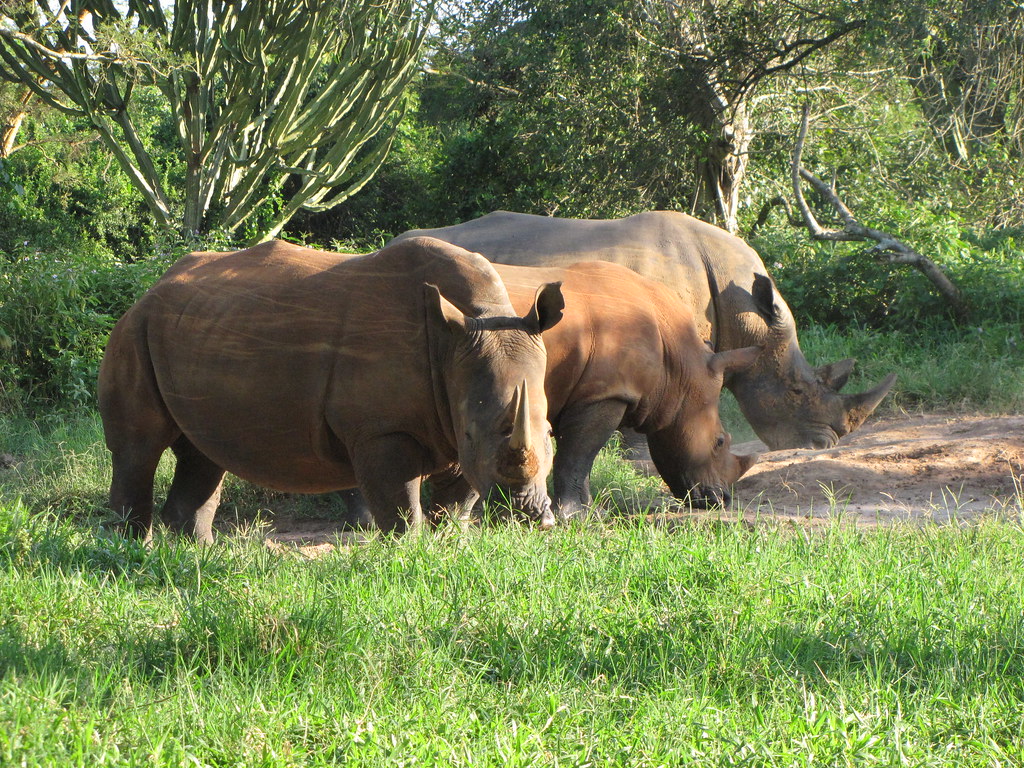
Queen Elizabeth National Park is home to a remarkable array of species, from tree-dwelling birds to riverine giants. Along its waterways, the legendary Shoebill Stork silently stalks the papyrus swamps, while the Kazinga Channel teems with hippos, crocodiles, and hundreds of waterbirds. Bird lovers can spot African Fish Eagles perched high above, Malachite and Pied Kingfishers darting over the water, and African Skimmers resting on sandy banks during the migration season. Rare Albertine Rift endemics, such as the Black-headed Gonolek, Papyrus Gonolek, and Red-faced Crimsonwing, delight even the most experienced birders.
The park also shelters a wide variety of savanna wildlife. Lions, elephants, leopards, buffalo, and antelope roam freely across the grasslands, while forested and wetland areas provide refuge for primates, waterfowl, and countless smaller species. Each habitat tells a unique story of ecological balance and African biodiversity at its finest.
Birdwatching and Nature Experiences
Birdwatching in Queen Elizabeth National Park is a dream for enthusiasts. The Mweya Airstrip and main camp area offer excellent opportunities to observe bush species like African Mourning Dove, Grey-headed Kingfisher, Swamp Flycatcher, and the beautiful Black-headed Gonolek.
The Kazinga Channel, a 32-kilometer waterway linking Lake George and Lake Edward, is a haven for waterbirds. Launch cruises along the channel reveal an astonishing diversity: Great White and Pink-backed Pelicans, Long-tailed Cormorants, Squacco Herons, African Jacanas, Spur-winged Plovers, and more. Migratory birds arrive in spectacular numbers from December to May, creating scenes of thousands of White-winged Terns hovering above the water and millions of sand Martins and Yellow Wagtails roosting in the reeds. Even rarities such as Eurasian Wigeon, Northern Pochard, and Mongolian Plover have been spotted along the channel, making each visit a potential discovery.
For those exploring by road, the Katunguru Bridge along the Mbarara-Kasese highway offers an excellent vantage point to observe pelicans, terns, swamp warblers, and the striking Papyrus Gonolek.
Access and Logistics
Mweya Camp, located at the northern end of the park, serves as a convenient base for exploring the savanna, wetlands, and crater lakes. The southern Ishasha sector, 80 kilometers away, is accessible via well-maintained roads and is renowned for its tree-climbing lions and remote wilderness. Visitors can combine both northern and southern circuits for a comprehensive safari experience.
Accommodation
Queen Elizabeth National Park caters to every type of traveler. Options range from luxury lodges to budget-friendly and camping facilities:
-
Mweya Safari Lodge – luxury accommodation with stunning views of the Kazinga Channel, swimming pool, and prime birdwatching opportunities.
-
Jacana Safari Lodge – a luxurious retreat built over a crater lake, perfect for relaxation and wildlife observation.
-
Simba Safari Camp – mid-range safari camp with easy access to park trails and game drives.
-
Institute of Ecology – basic, hostel-style accommodation for budget travelers.
-
Camping – available at Mweya, Maramagambo Forest, and Ishasha sector, with organized facilities or self-arranged camping.
